
Destination
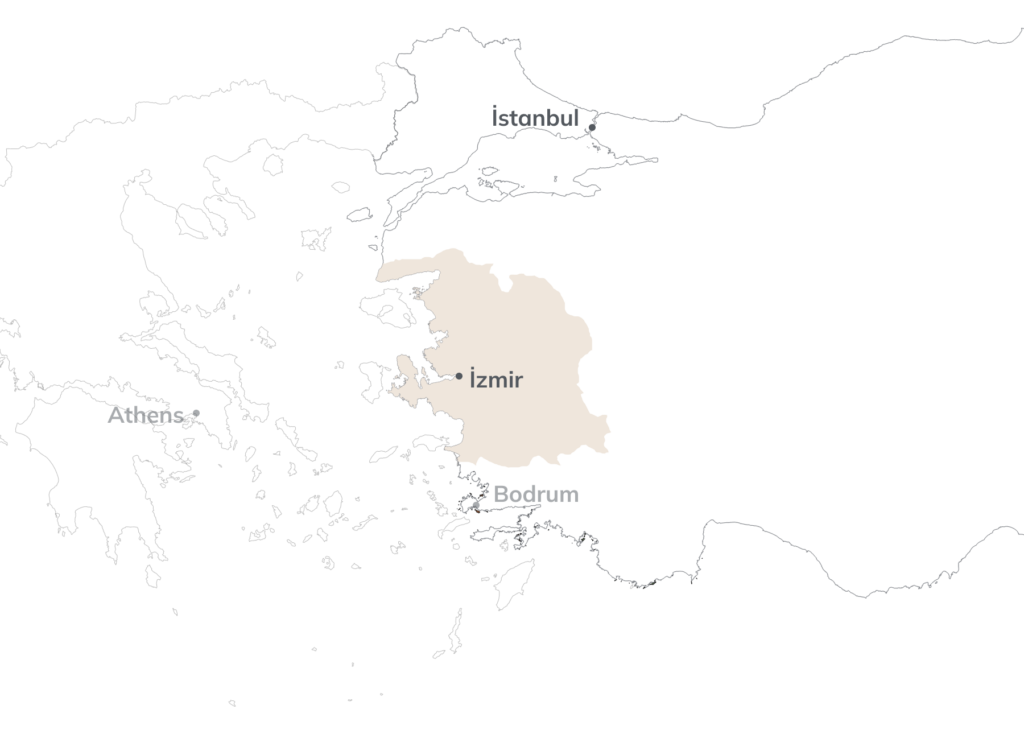
Aegean Turkey

The Aegean region of Turkey is best known for its world-renowned ancient cities like Ephesus, Aphrodisias, and Pergamon. Combined with its unexplored hinterland of traditional mountain villages and pastoral, vineyard-filled rolling hills, the area makes for a diverse voyage through history, culture, and nature. Ride the stunning trails, explore remote cultural spots and truly experience Turkey’s wonders. Picture mountainous olive groves with stunning beaches and rugged coastline with luxury accommodations that reveal the true character of the region while offering comfortable and relaxing amenities. Ideal for adventure seekers with a passion for history and culture, Aegean is a playground of exploration.
- April - June / September - November
- Biking, Hiking, Sightseeing, Cuisine, Family, Windsurfing
- 4-8 Days
- Hand Picked Top 10
- Cycle between the Aegean Turkey's six stunning UNESCO sites
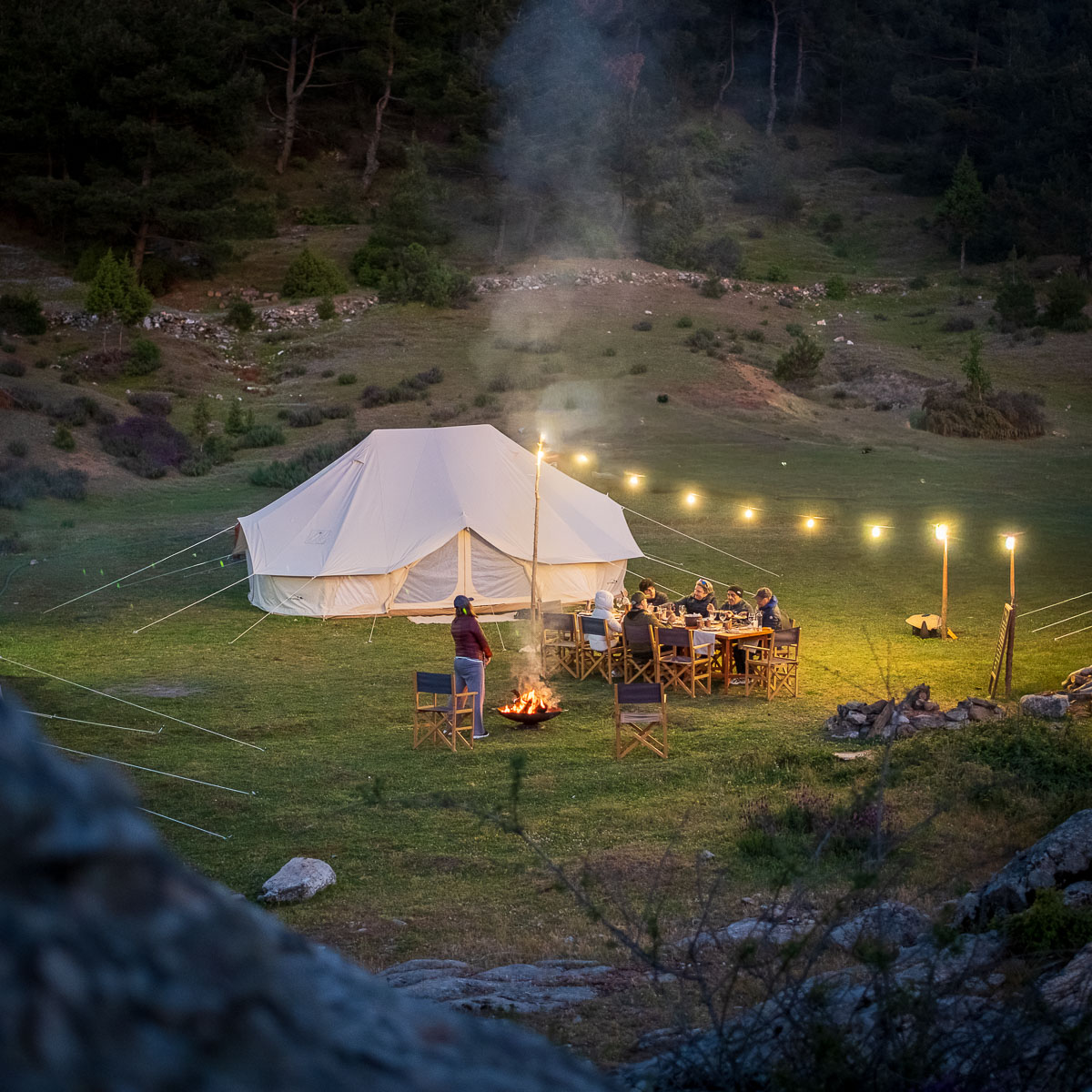
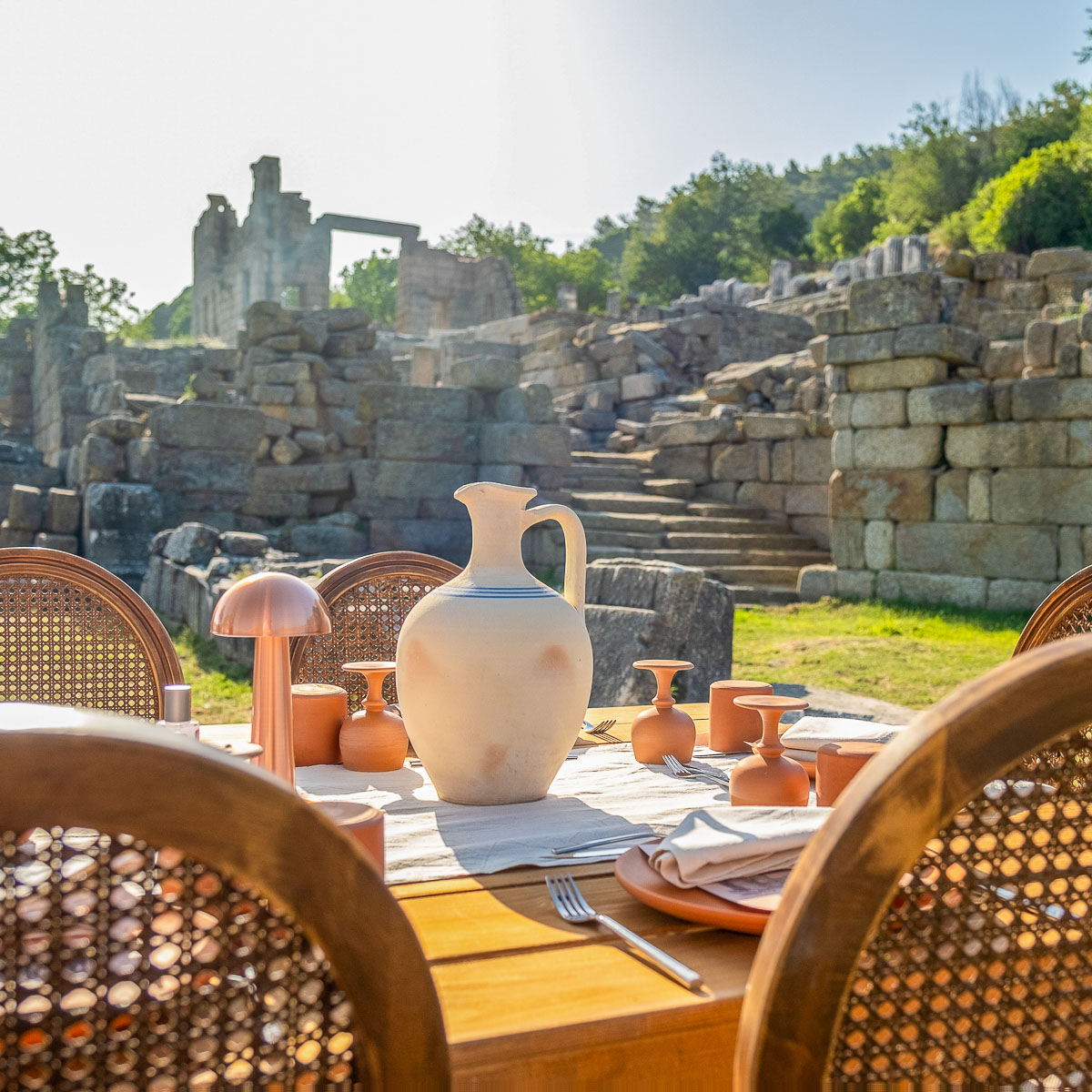
- Dine amidst ancient ruins at your own private table
- Hike on the same ancient trails where Roman villagers once walked
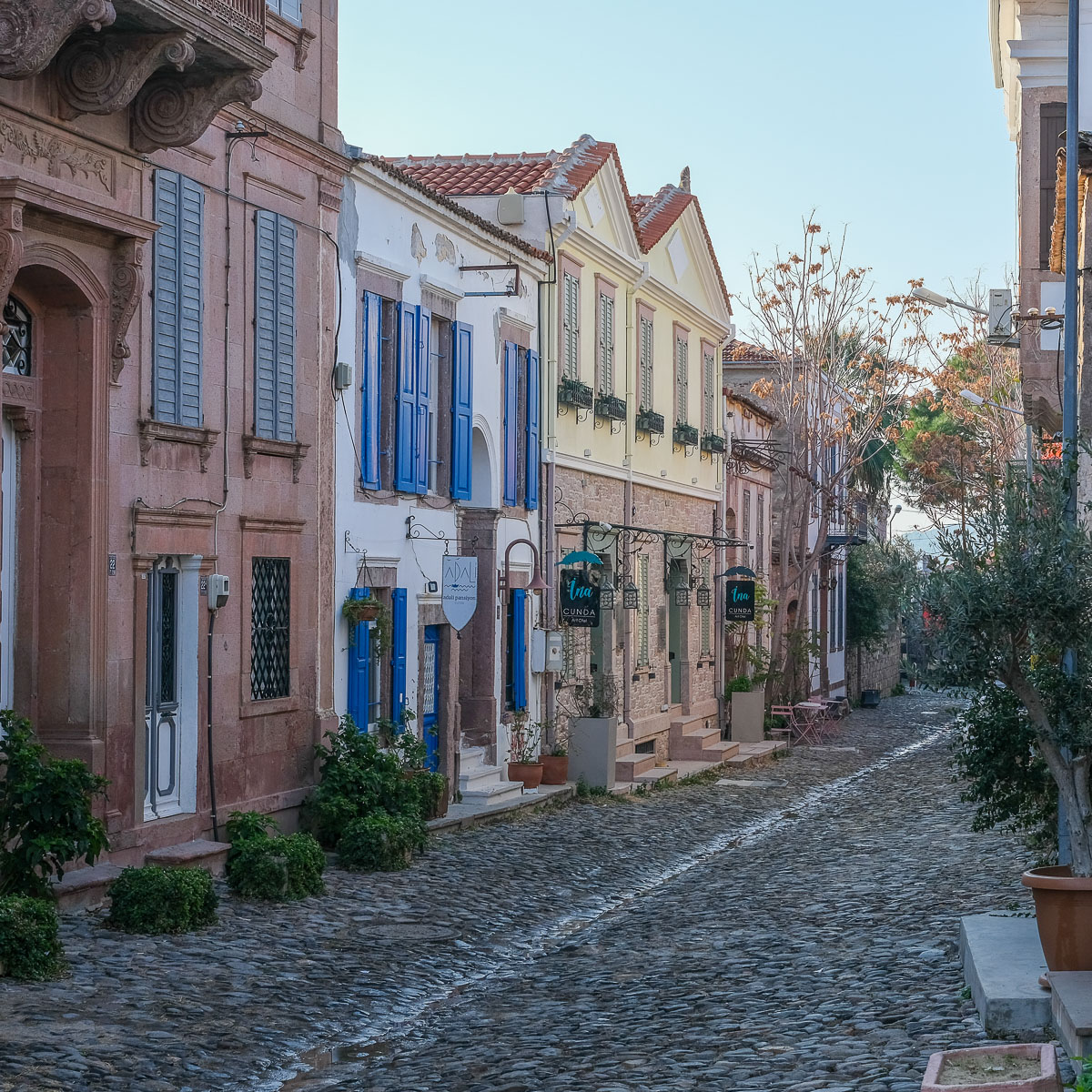
- Wander the cobblestoned streets and traditional houses of Aegean villages
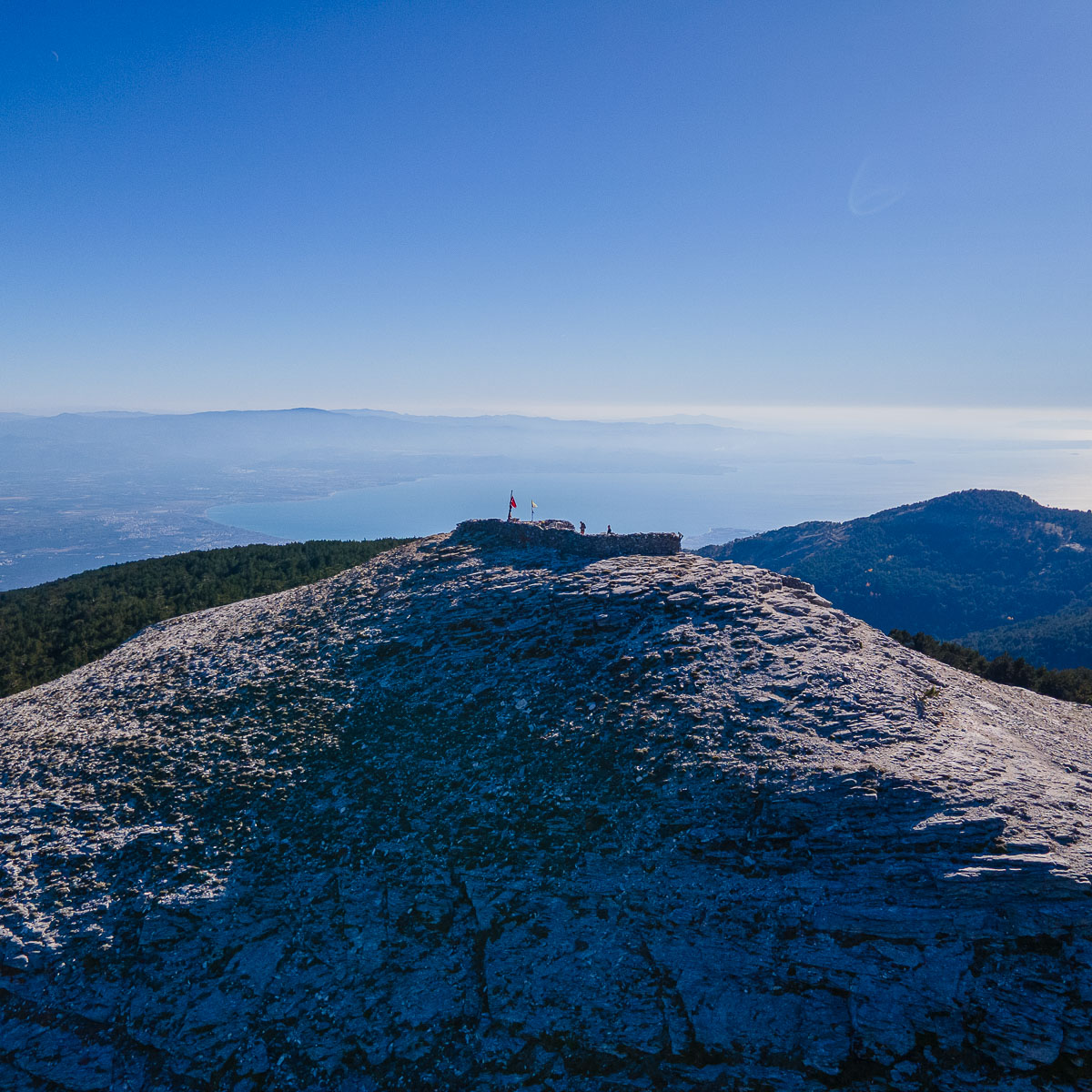
- Heli-bike from the peak of mythical Mt. Ida where Zeus watched the Trojan War
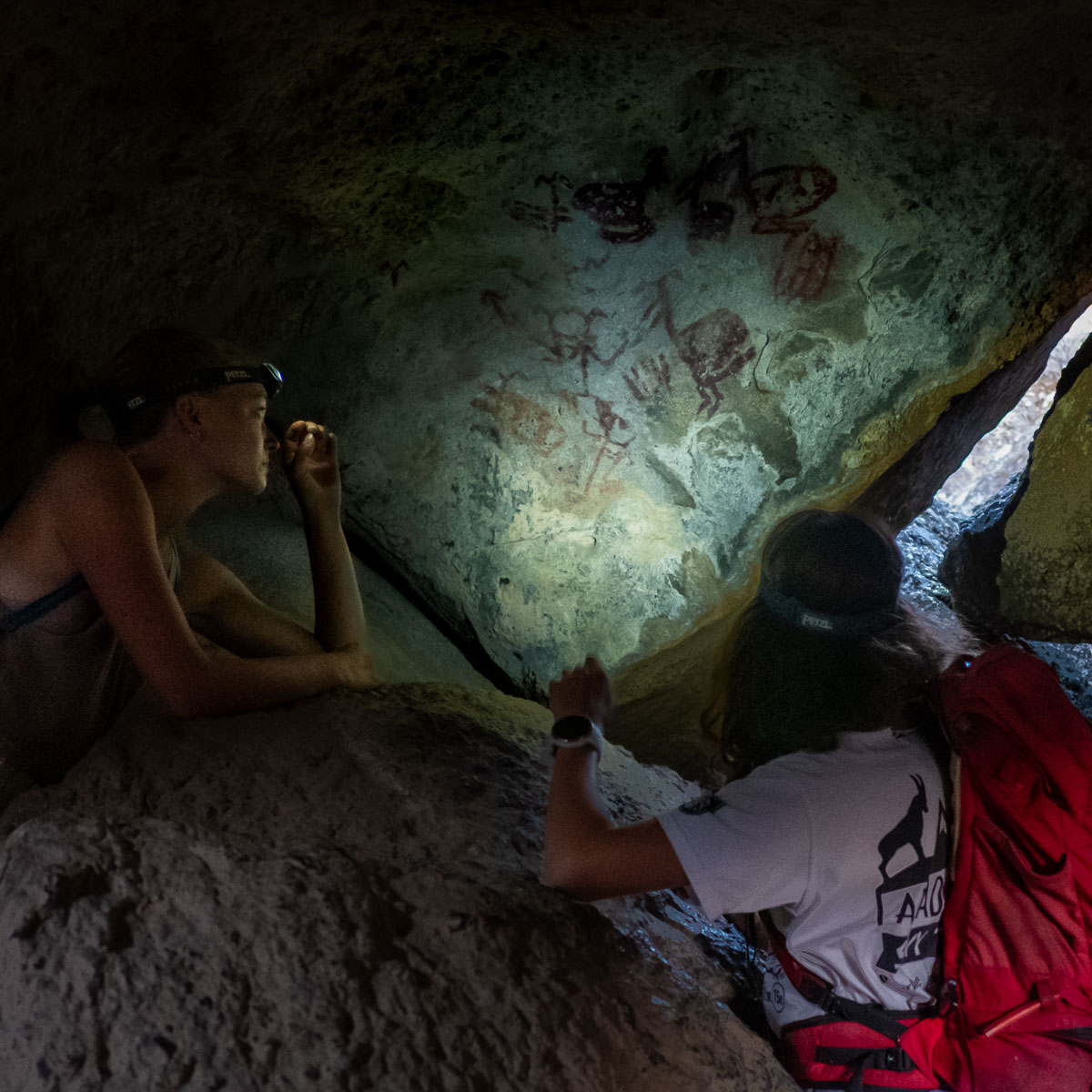
- Admire intriguing 8000-year-old cave paintings
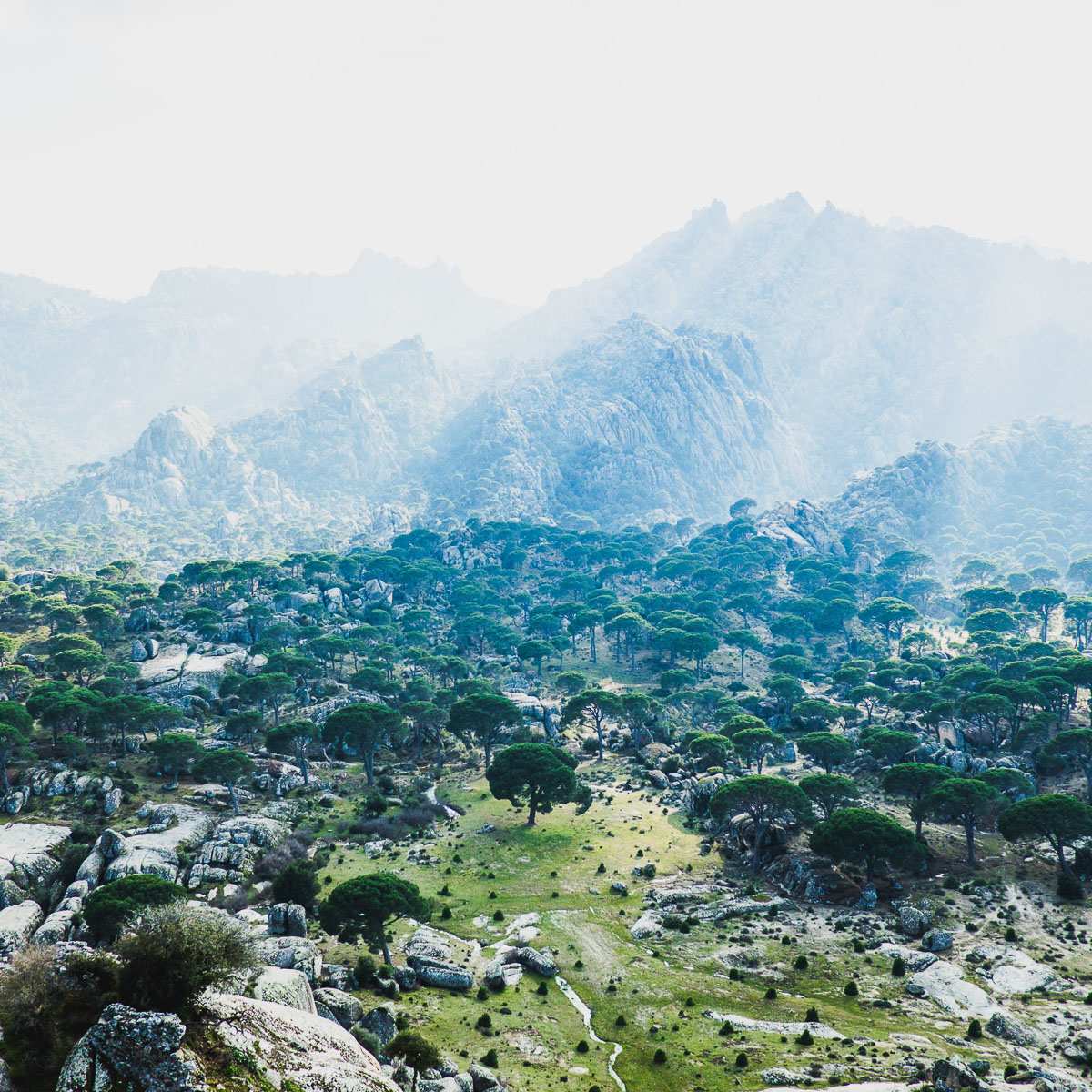
- Camp under the boulders and nut pines of the unexplored Latmos Mountains
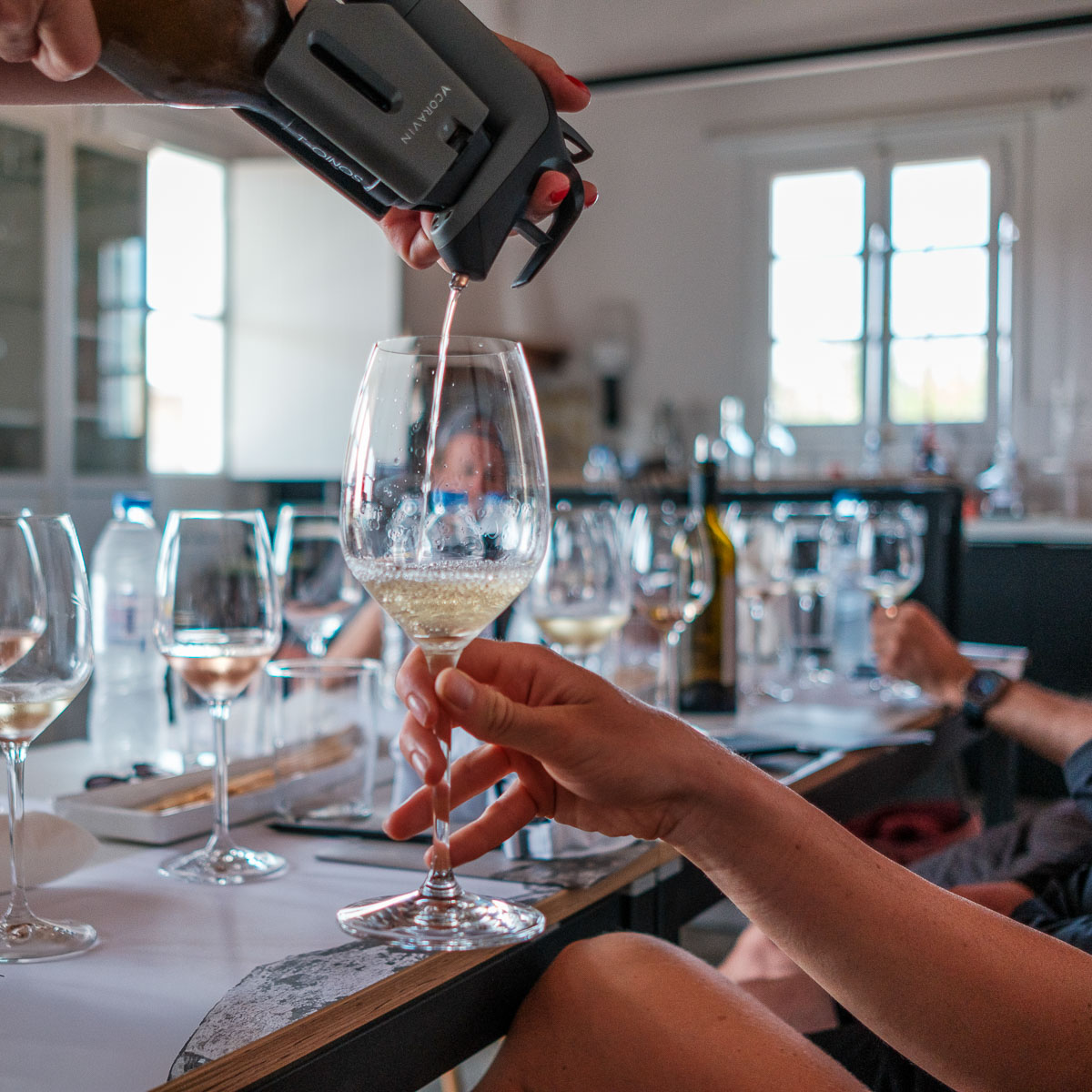
- Savor the flavor and tradition of the region's local wines
- Hunt for the freshest produce in Milas’s farmers’ market
- Explore the legendary site of Troy, where myths and history converge

History


The Aegean Coast region is home to some of the most famous ruins in Turkey, and one of the highest densities of UNESCO World Heritage Sites in the country. Its history combines the ancient civilizations of Caria, Ionia, Lydia, Mysia and Troad, and is home to world-famous sites like Ephesus, Aphrodisias, Miletus, Pergamon, and Troy.
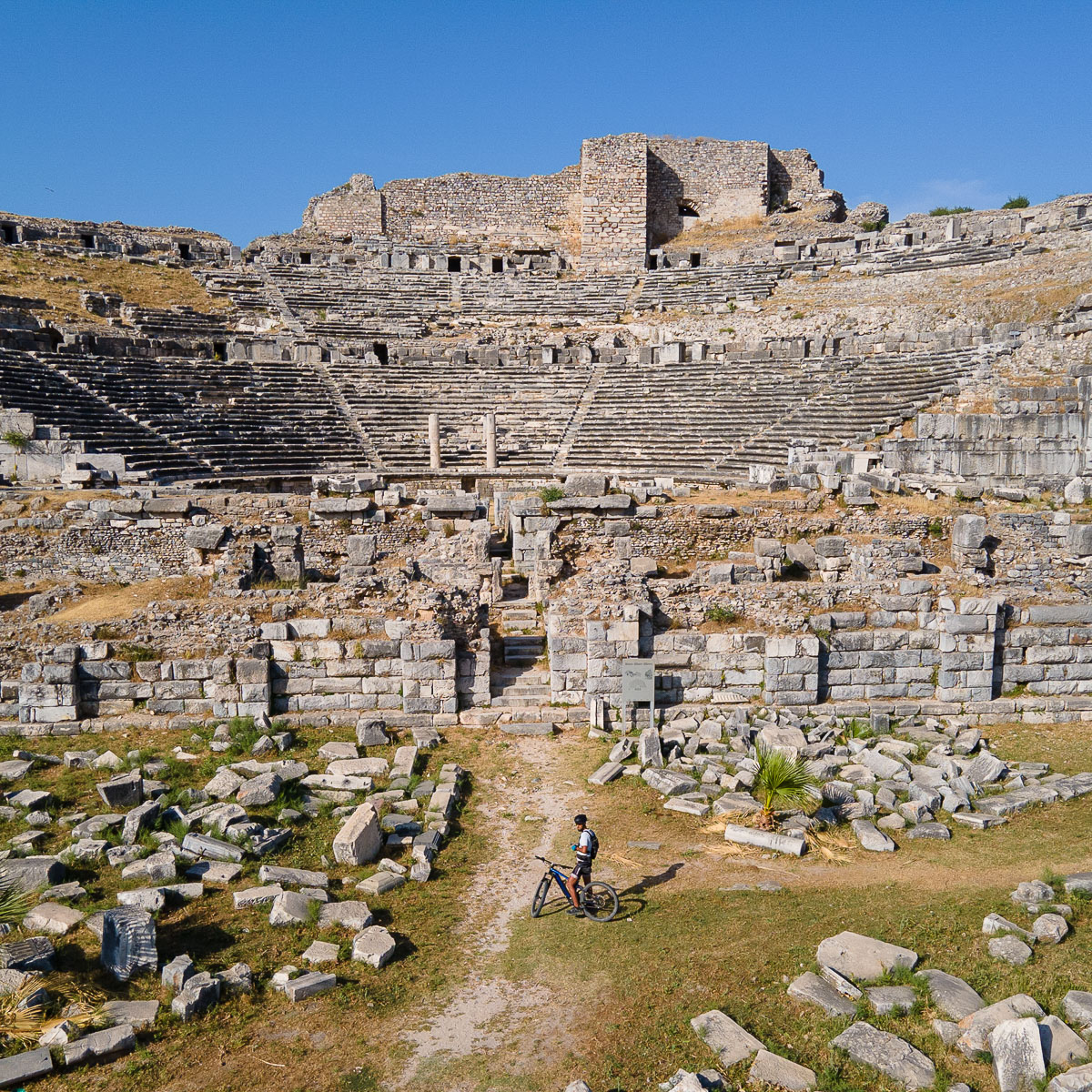
Miletus is a lesser-visited site located on the plains of the Meander River; while its ruins themselves are no match for the splendor of cities like Ephesus, the city is of incredible historic importance. The rational thought that developed in Miletus dominated the academic world of Greece. With its focus on non-supernatural explanations for natural phenomena, it laid the foundation for all scientific inquiry to come. After ultimately falling to the Persians, most of the city’s intellectuals fled to Athens and thusly laid the foundation for the city’s philosophic tradition.
Aphrodisias, once a part of ancient Caria, was inscribed on the UNESCO World Heritage List in 2017. The city, named after the goddess Aphrodite (who in Aphrodisias blended elements of the Anatolian fertility goddess Cybele with those of the Greek Aphrodite) was home to a workshop in which some of the most sought after marble sculptures in all of Rome were produced. Many of these sculptures, along with entire structures built of intricately carved marble are still found at the site.
Ephesus, the most visited ancient city in Turkey, has been undergoing excavations for almost two centuries leading to a massive site with endless structures to see. Its Temple of Artemis was one of the Seven Wonders of the Ancient World, although little of it remains today. With ruins that span from prehistory through Hellenistic and Roman and into the Christian era, the city allows visitors to witness the transformation of cultures across time and how the city’s natural surroundings (in this case silt accumulation) played a role in its transformation.
Troy, the city of legends and the basis for Homer’s The Iliad…for centuries Classical Scholars considered it to be a land based in myth, not history. It wasn’t until excavations of a mound known locally as Hisarlik began in 1860 that archeologist Heinrich Schliemann realized the magnitude of his discovery: the mythical city of Troy was real. And not only was it real, the city was inhabited for over 4000 years from the Neolithic to the Roman Period.
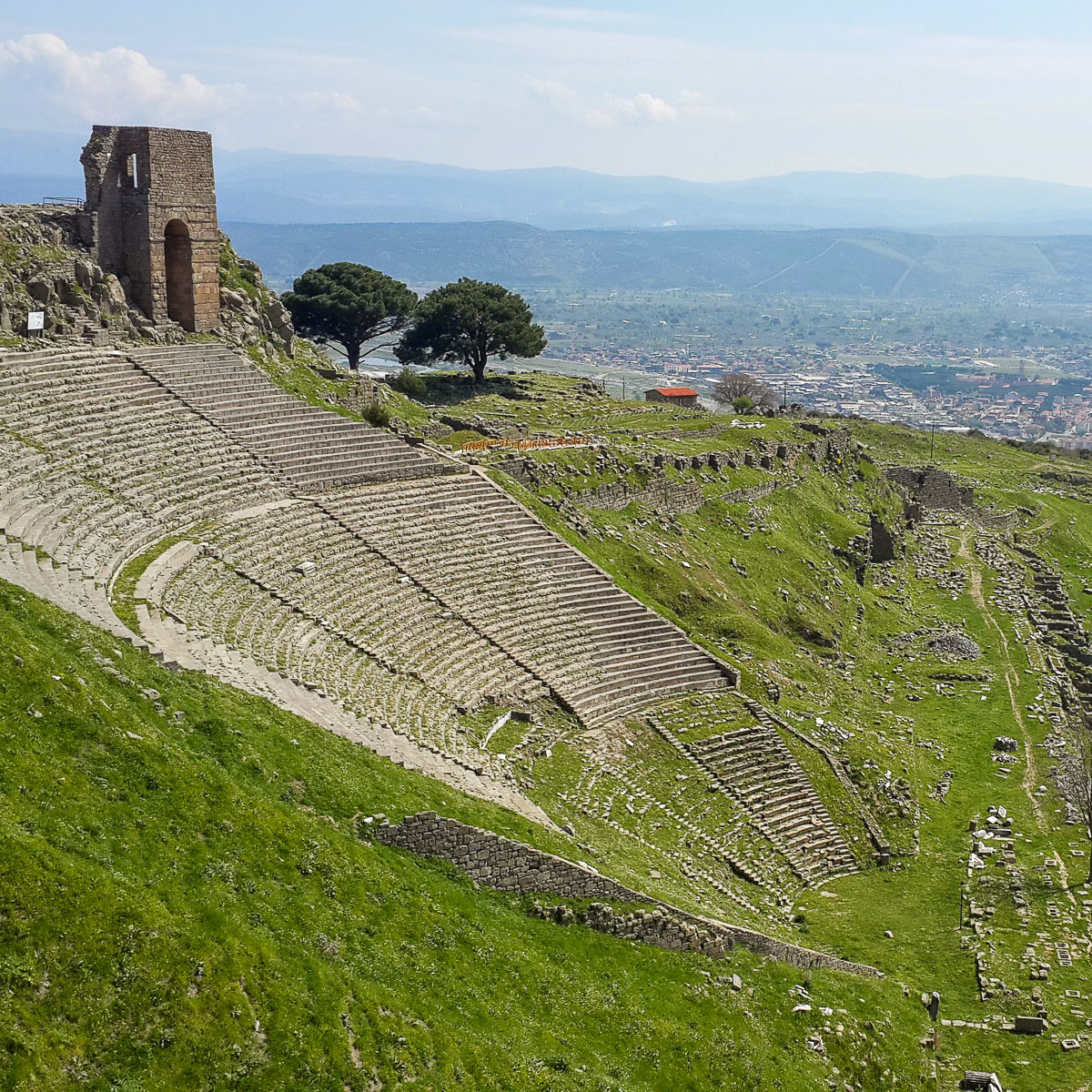
Pergamon, a prosperous city in ancient Mysia, is located 26 kilometers inland from the Aegean Sea and became the capital of the Kingdom of Pergamon during the Hellenistic Era. The city is known for being the northernmost of the Seven Churches of Asia Minor in the Bible’s book of Revelation. The city was also home to the ancient world’s second largest library after that of Alexandria. In line with its massive library that contained over 200,000 scrolls, Pergamon was a major producer of parchment, the word itself a corruption of pergamenos, meaning “from Pergamon”.
Local Cuisine
Aegean food is incredibly seasonal and based on large amounts of vegetables, legumes, grains, dairy products, fruit, and olive oil. Most villagers in the region have their own vegetable gardens which produce an abundance of cruciferous vegetables and leafy greens in the winter and plants like eggplant, zucchini, tomatoes, peppers, and green beans in the summer. Fresh cheese and home-cured olives accompany bread for breakfast each morning, often with tomatoes, cucumbers, honey or jam, and eggs. Lunch and dinner usually consist of a vegetable or bean cooked in spiced tomato sauce or with lots of olive oil, served with soup, salad, bulgur or rice, bread, and yogurt. Fish and meat are eaten only occasionally, and meze (cold dishes usually consisting of vegetables, legumes, cheese, or yogurt often eaten as an accompaniment to raki) are beloved. Fresh fruit is devoured while in season, and dried or cooked into jam for when it isn’t. Spring and fall mean wild greens and mushrooms, and you’ll often see villagers with sacks of these foraged delicacies slung over their shoulders.
Biking
Most of the Aegean Coast’s mountain bike-friendly routes are found between the Latmos Mountains and Ephesus. The craggy boulder-covered landscape of Latmos makes for especially scenic dirt track, and the sky high views from the Dilek Peninsula National Park are some of our favorites. Rideable singletracks are few and far between in the region however.
What the Aegean Coast lacks in mountain biking, it makes up for in great road and gravel options. The region is home to Turkey’s only Eurovelo route, running from Dikili to Selcuk (Ephesus). There is more great road or gravel biking to be had around Bergama (ancient Pergamon), the quiet countryside of Urla, the remote peninsula of Karaburun, the surroundings of legendary Troy, and deep into the Latmos Mountains. Whether you are looking for big climbs, smooth coastal roads, or to visit incredible ancient sights while keeping active, the options are endless.
Hiking
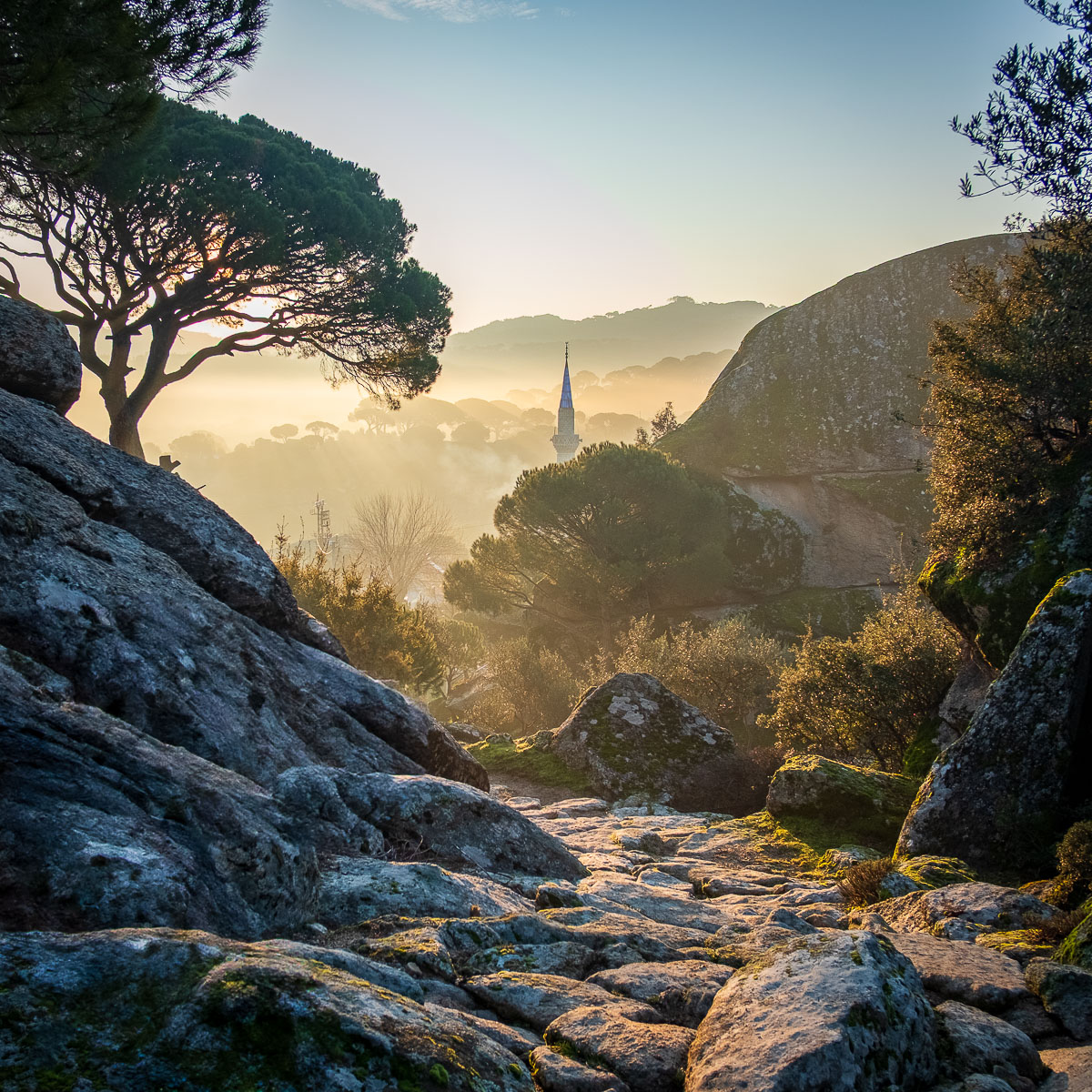
The best hiking in the region is found in the Latmos Mountains, on an extension of the Carian Trail (Turkey’s longest hiking trail created by our very own co-owner Altay). Rising to a height of 1350m, Mt. Latmos towers over the plains of the Menderes River, seemingly formed from piles on piles of the precariously placed boulders that dot the landscape. With its ancient stove-paved trails, umbrella-shaped nut pines that give way to lakeside olive groves, and friendly traditional villages, the region is perfect for exploring on two feet. From prehistoric petroglyphs, to Byzantine frescoes, free roaming donkeys to gorgeous lake views, the hikes in this region are some of the best we’ve seen anywhere.
Other nice hikes are found farther north in the Ida Mountains around the ancient city of Assos and deeper into the forested peaks.

Culture
The Aegean Coast is home to some of the most impressive and highest density of ruins in the country, and no culture tour would be complete without visiting them. Highlights include well-known cities like Aphrodisias, Ephesus, Pergamon, Hierapolis, and Troy and lesser visited sites like Didyma, Miletus, Labraunda, Herakleia, and Priene.
Stepping away from the ancients and into more modern culture, the Latmos Mountains are a trove of unexplored authenticity. The villages here are masters at all things olive in addition to producing delicious pine honey and difficult-to-harvest pine nuts. From traditional stone architecture to the colorful costumes and gold-laden headdresses of the villagers of Comakdag, these settlements are still centers of a unique culture reminiscent of centuries past. The region is also rich in history, from 8000-year-old wall paintings to Byzantine churches and prominent Hellenistic cities.
On the culinary side of the spectrum, we dive into local markets in Milas, buying regional produce straight from farmers and having it cooked the traditional way in a local tavern. Or learn about the Cretan influence of Bodrum’s typical fare, wandering through the markets and backstreets before enjoying a night of raki and meze like a local. Deeper in the mountains, we can also taste the fruits of Latmos, sampling their world-class olive oil, or forging for wild greens and mushrooms. Or wander through the vineyards of Urla, tasting your way through some of Turkey’s best wines and countryside restaurants