
Destination
Black Sea Mountains

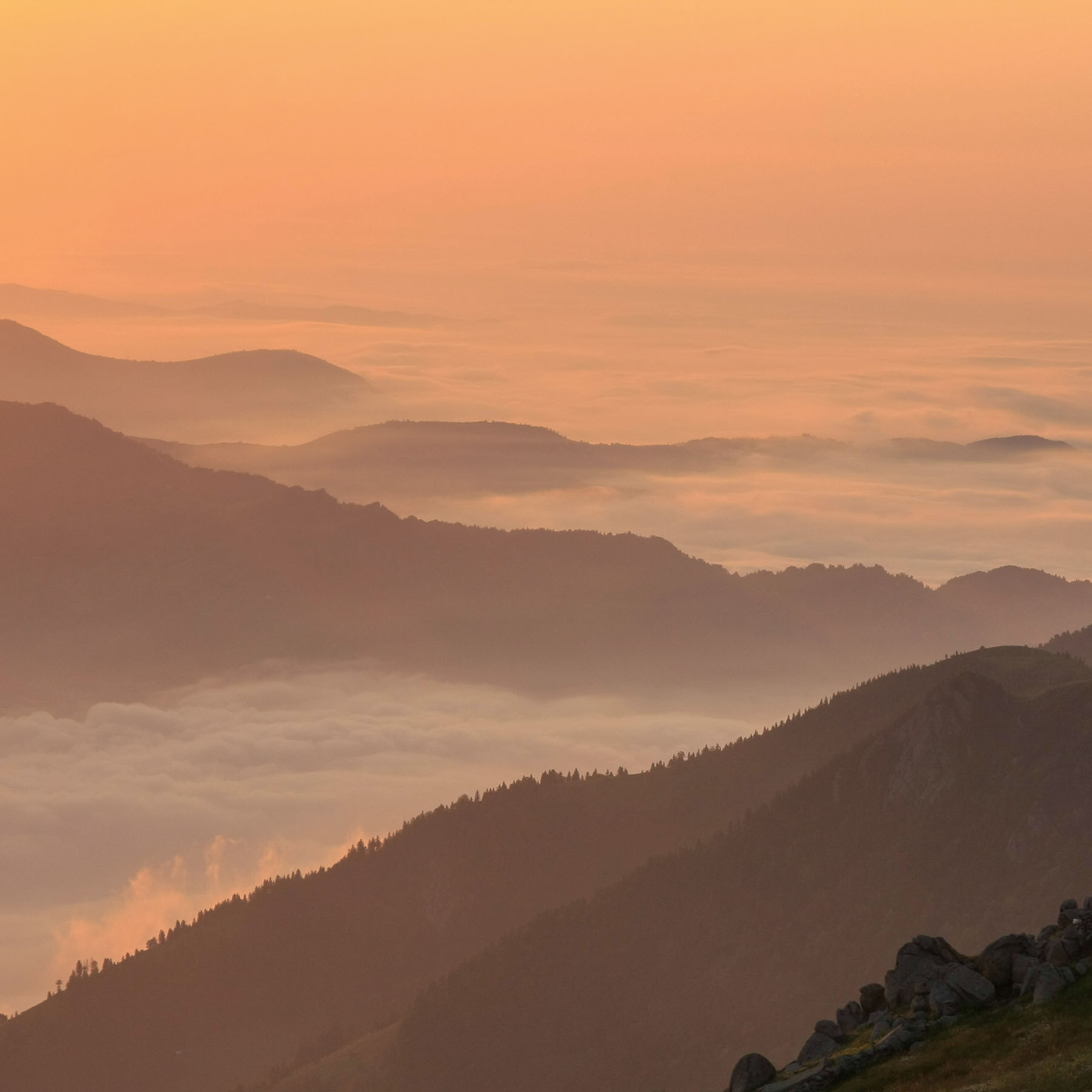
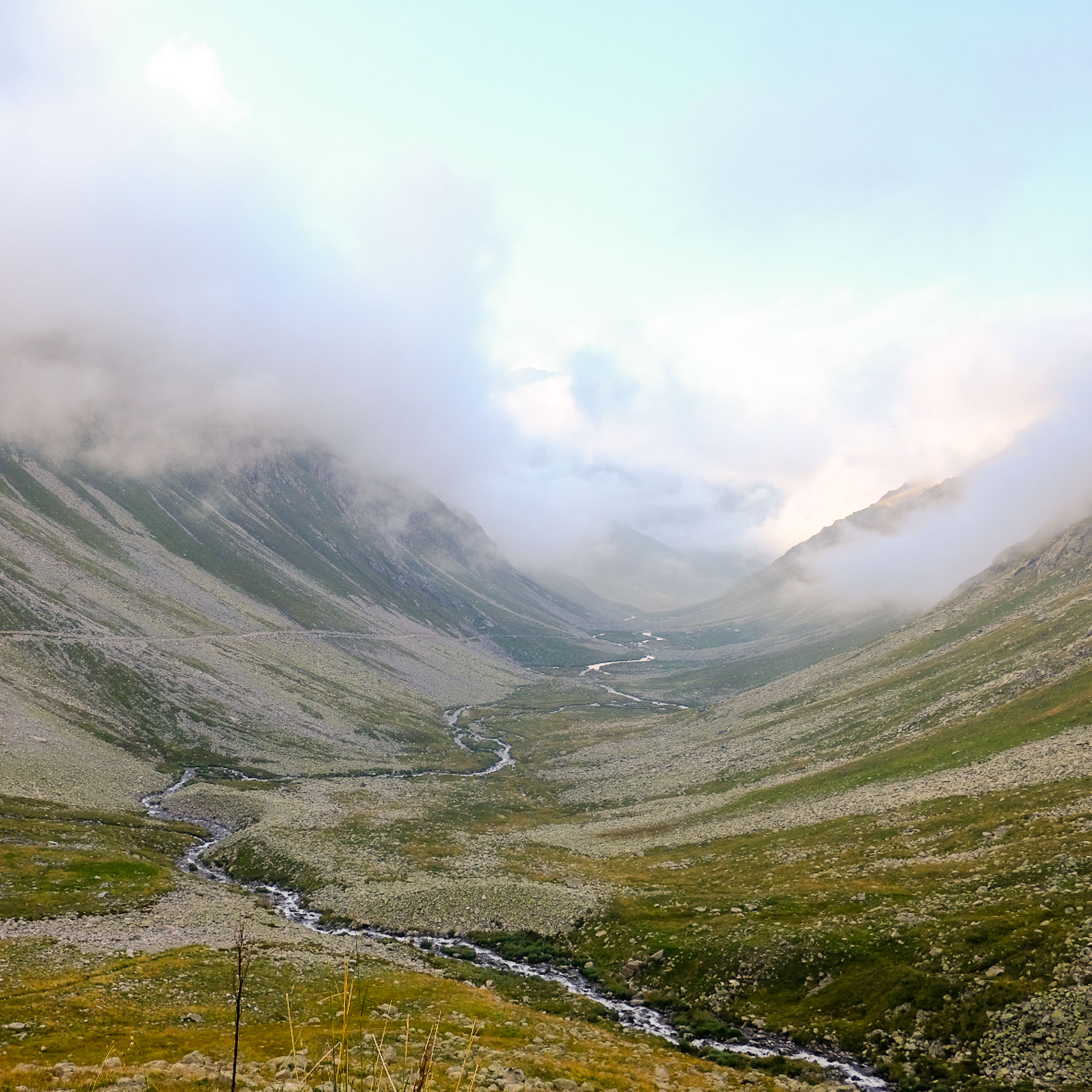
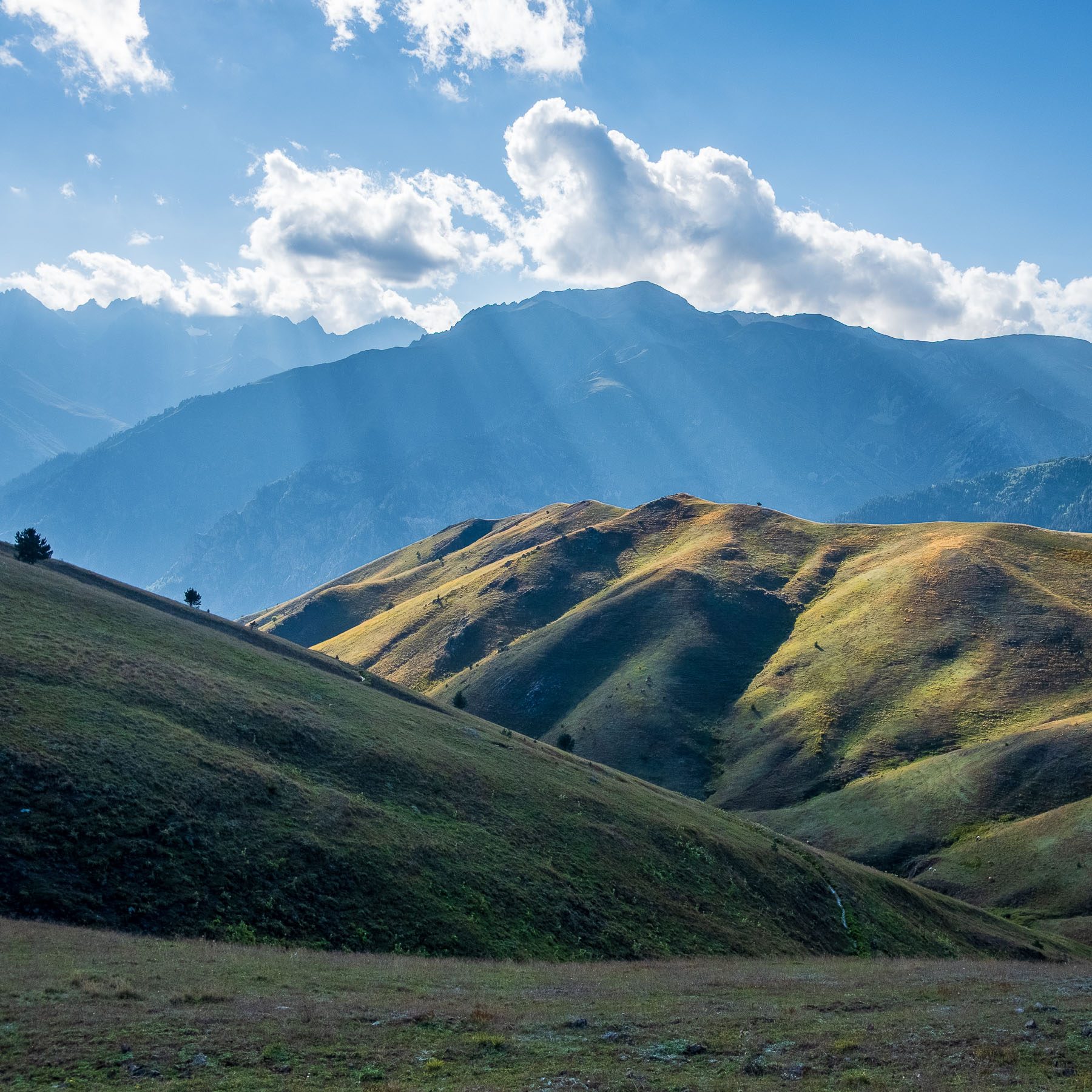
The Black Sea region of Turkey is known for its long, moody coastline, traditional wooden villages and highland pastures, towering peaks, and temperate rainforest. This is a land of mist, drizzle, and fog, where climbing high above the clouds is often the only way to see the sun. Amidst every imaginable shade of green, quaint villages of wooden houses, gardens of corn and beans, and quirky locals dot the landscape.
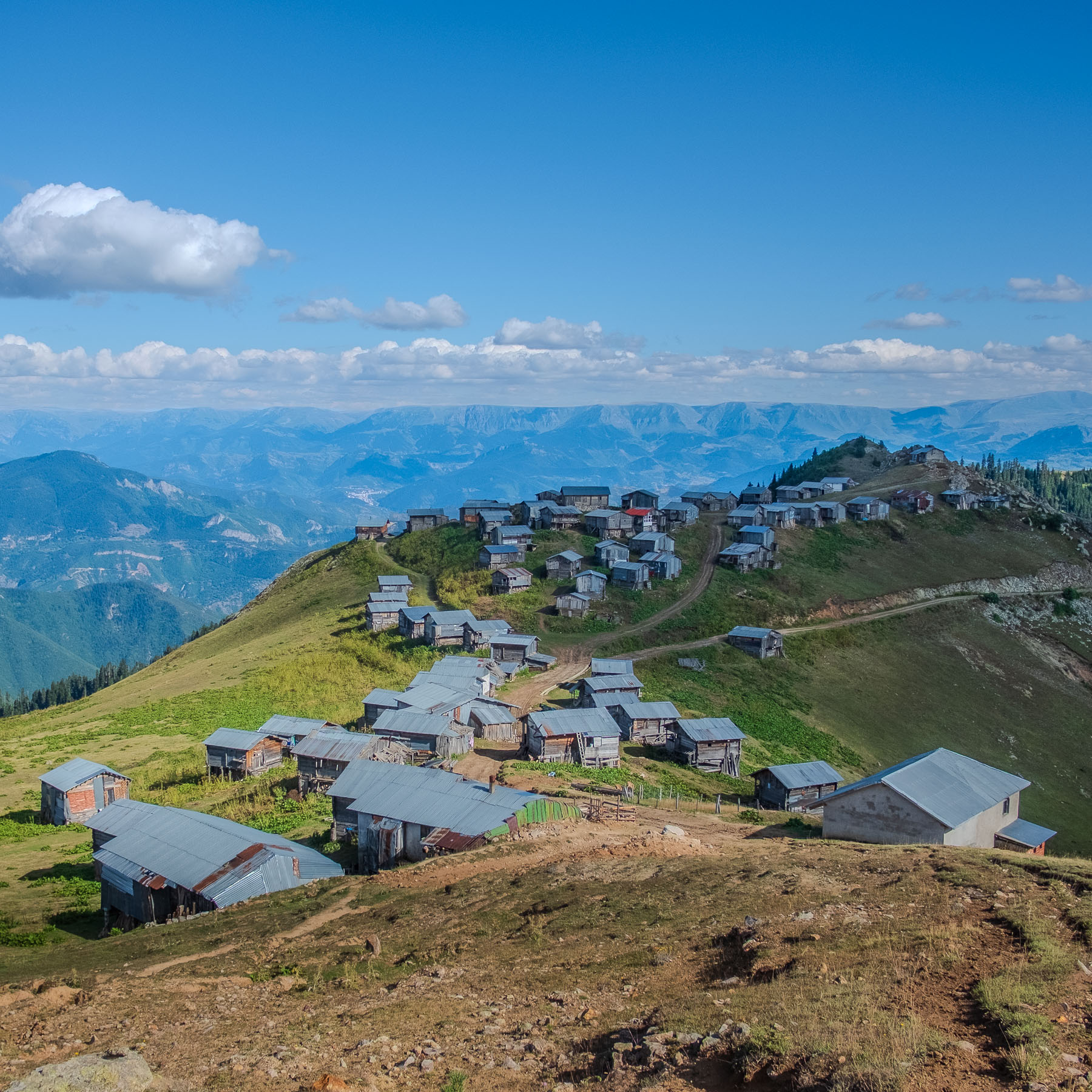
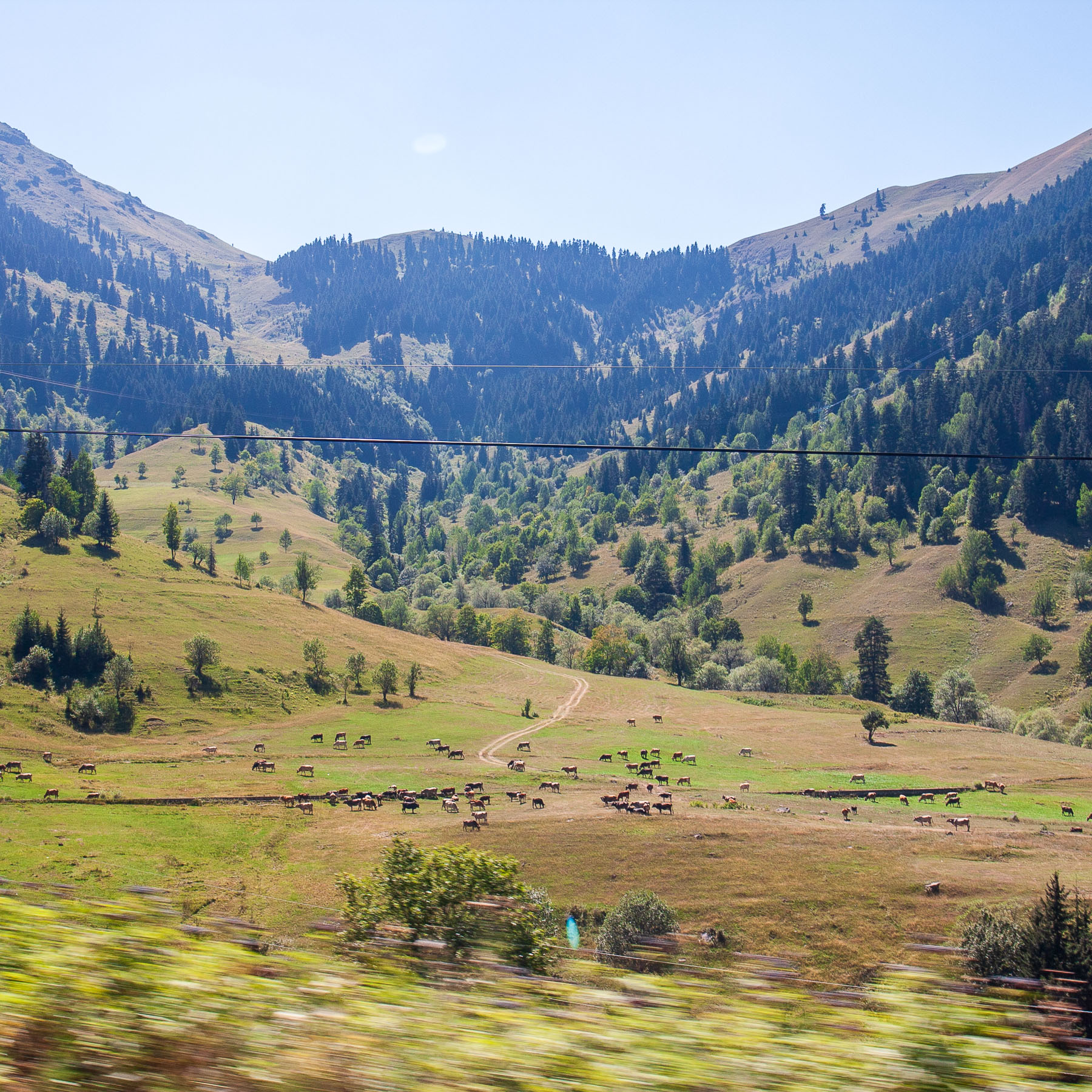
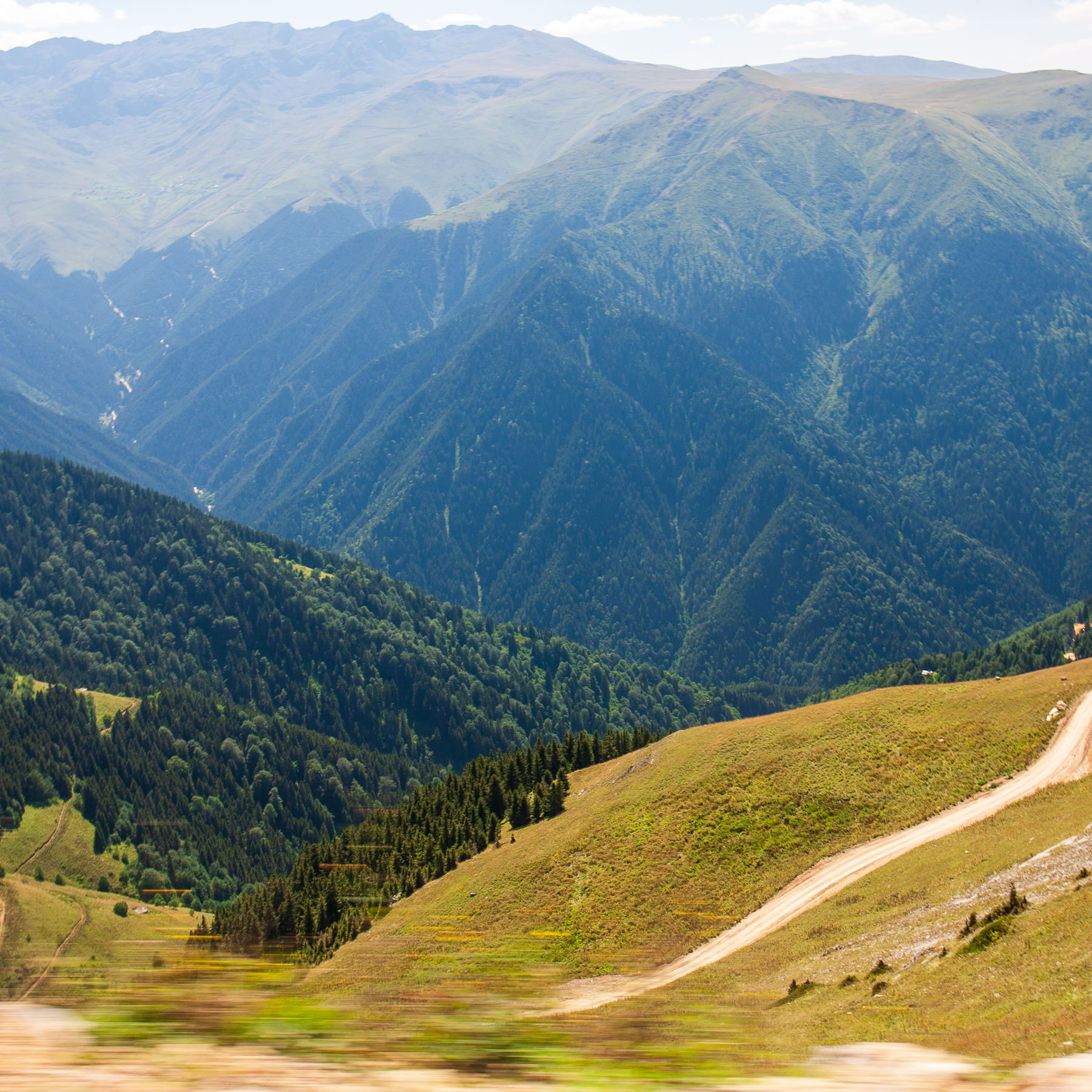
The mountains here dominate the landscape and have decided residents’ way of life. Locals traditionally make the trek high into green pastures for the summer, returning to their main village residences for the winter all in search of the best grazing for their animals. These high pastures still serve as a jumping off point for hikers and mountaineers going for yet another peak or just wandering up and down through the dramatic landscape.
With deep valleys and nearly inaccessible settlements, over the course of history, this region has become one of Turkey’s most diverse and certainly distinct from the rest of the country. Here, neighbors on the other side of the valley can speak an entirely different language or retain entirely different customs. What connects them all is their deep connection to the mountains and how they’ve adapted to life in a landscape of extremes.
- July - September
- Biking, Hiking, Glamping
- 4 - 5 Days
- Hand Picked Top 10
- Heliski the Kackar Mountains
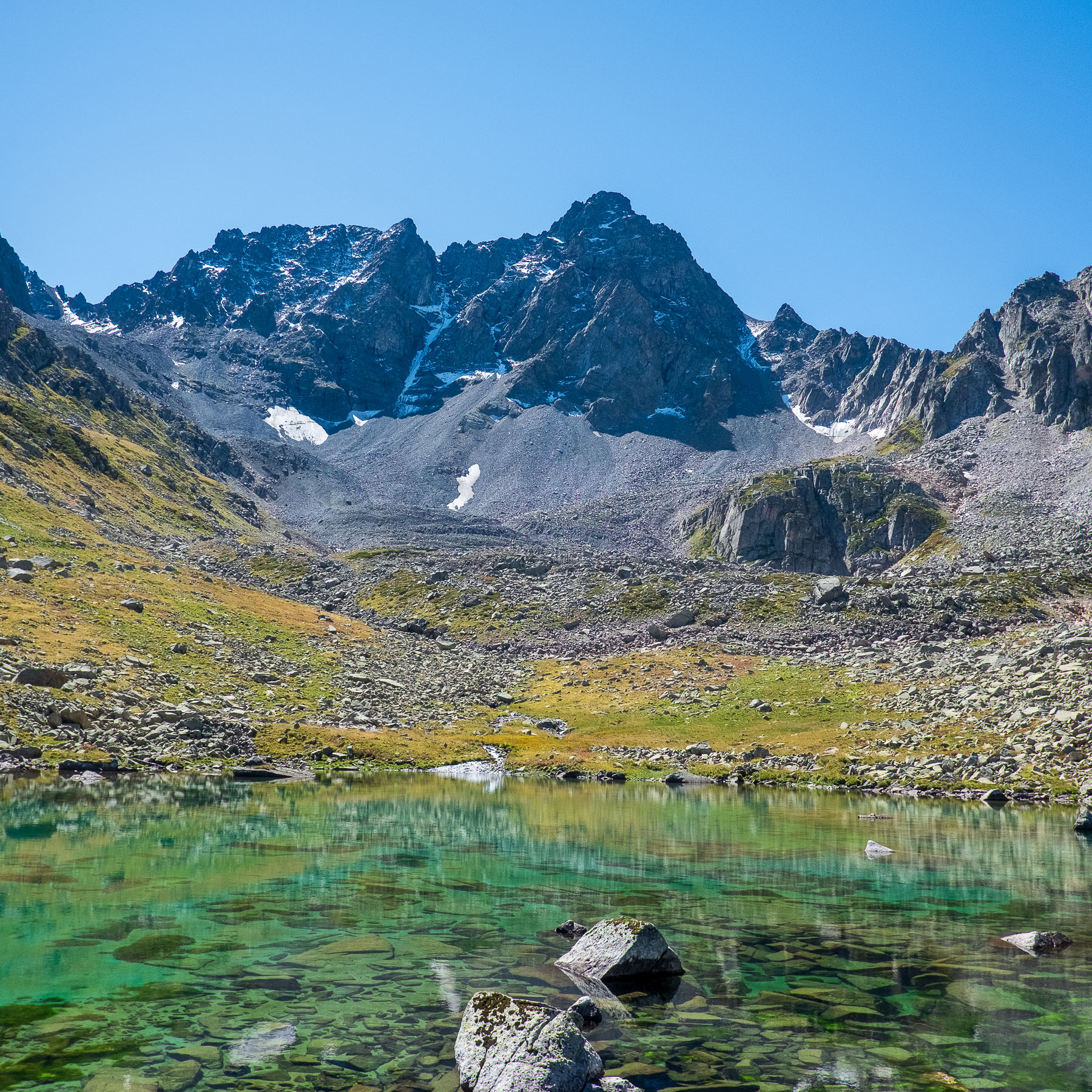
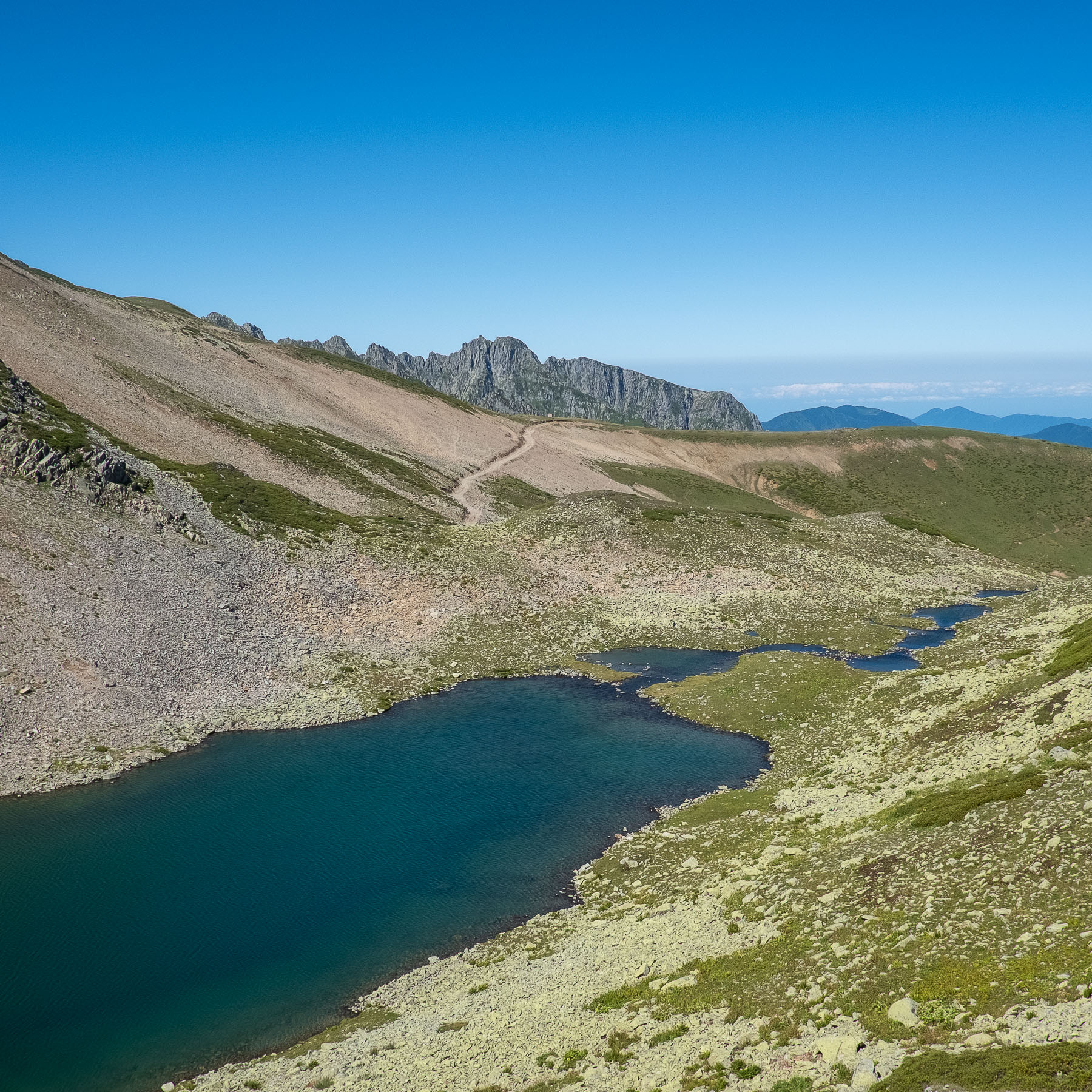
- Camp or Glamp near the Kapili Lakes
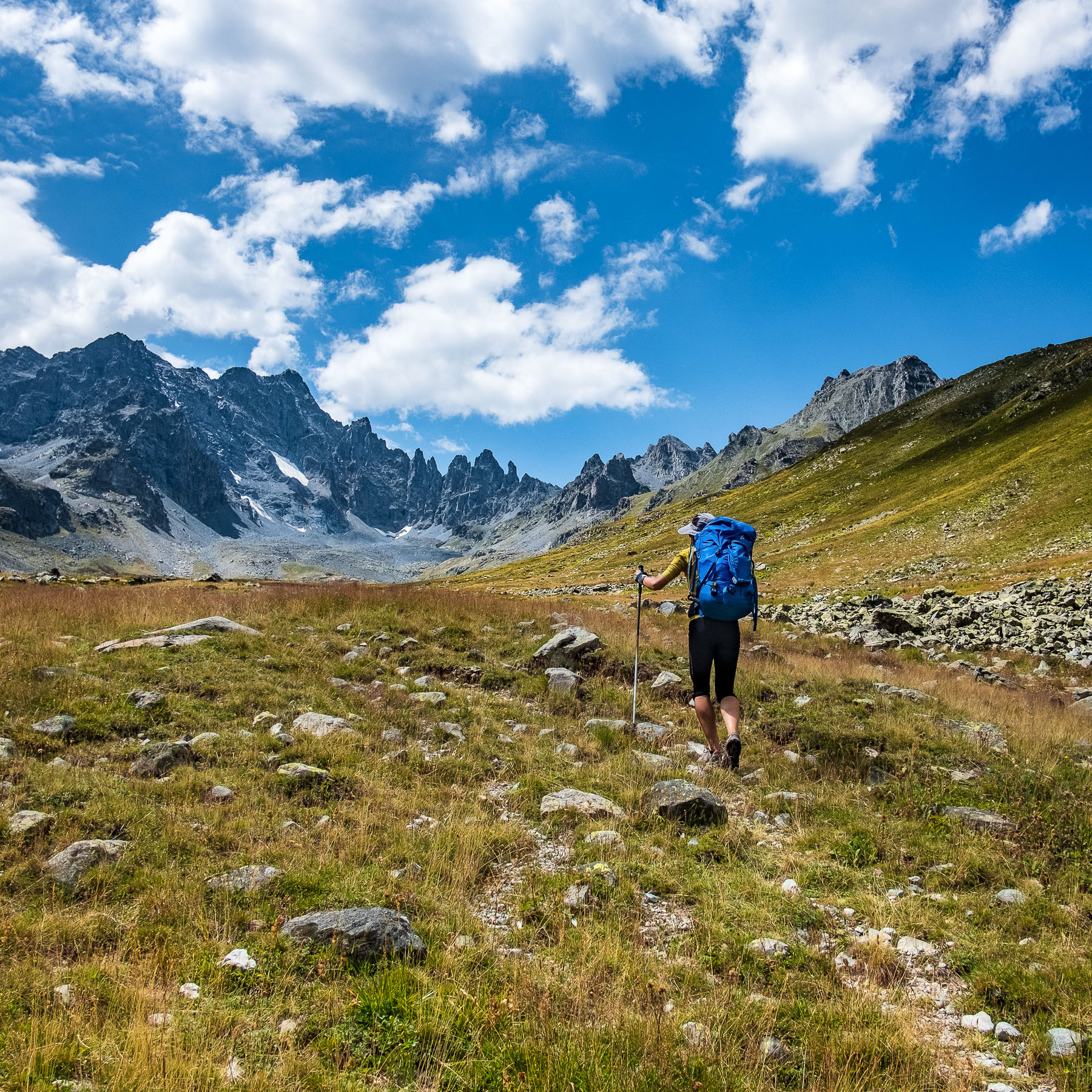
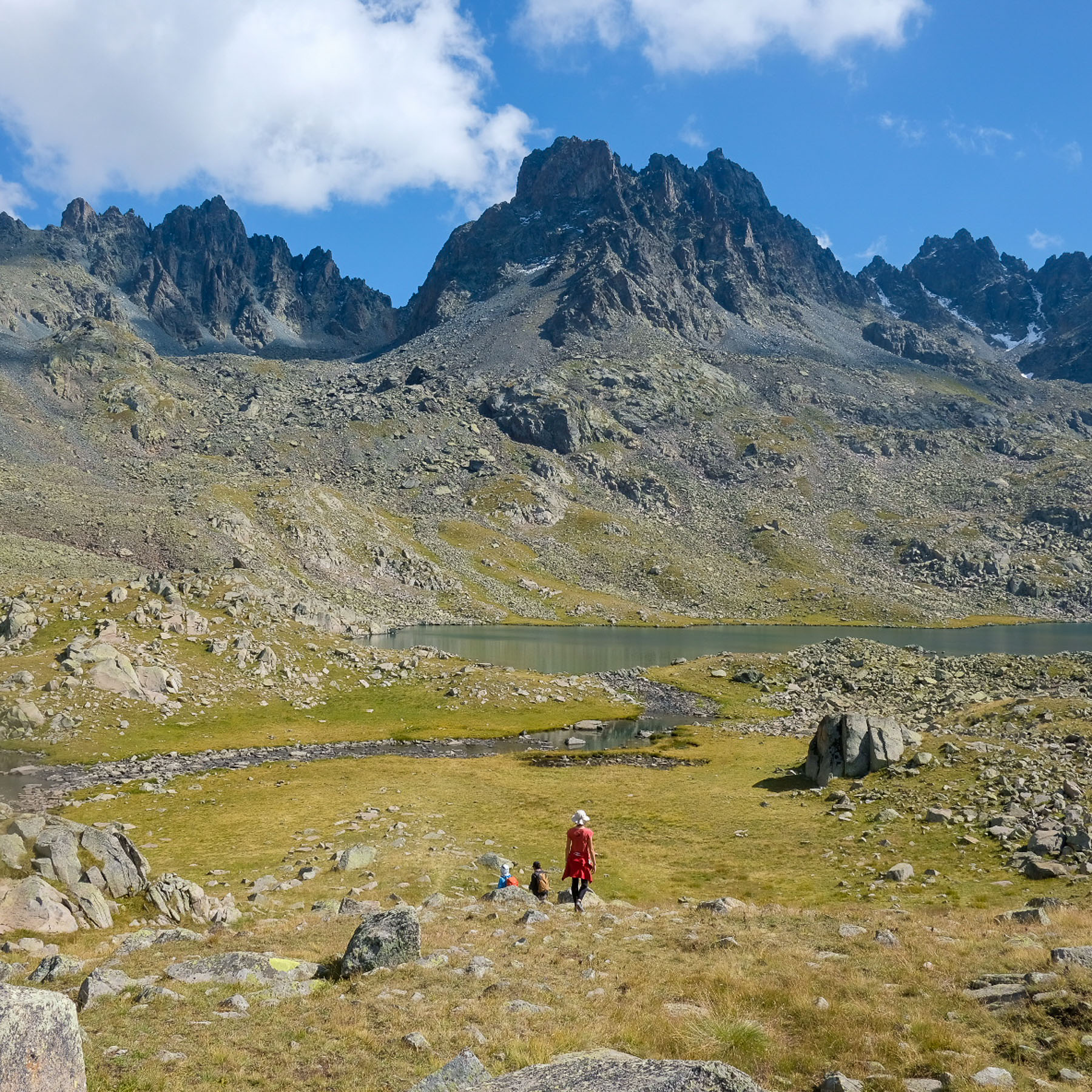
- Hike the Kackar Mountain traverse
- Dine on Black Sea classics like Muhlama, collard greens, and fried anchovies
- Witness the dramatic change in landscape from Savsat to Ardahan
- Spend the night in a traditional 'konak'
- Watch the mist rise over tea fields
- Mountain bike the trails connecting highland pastures
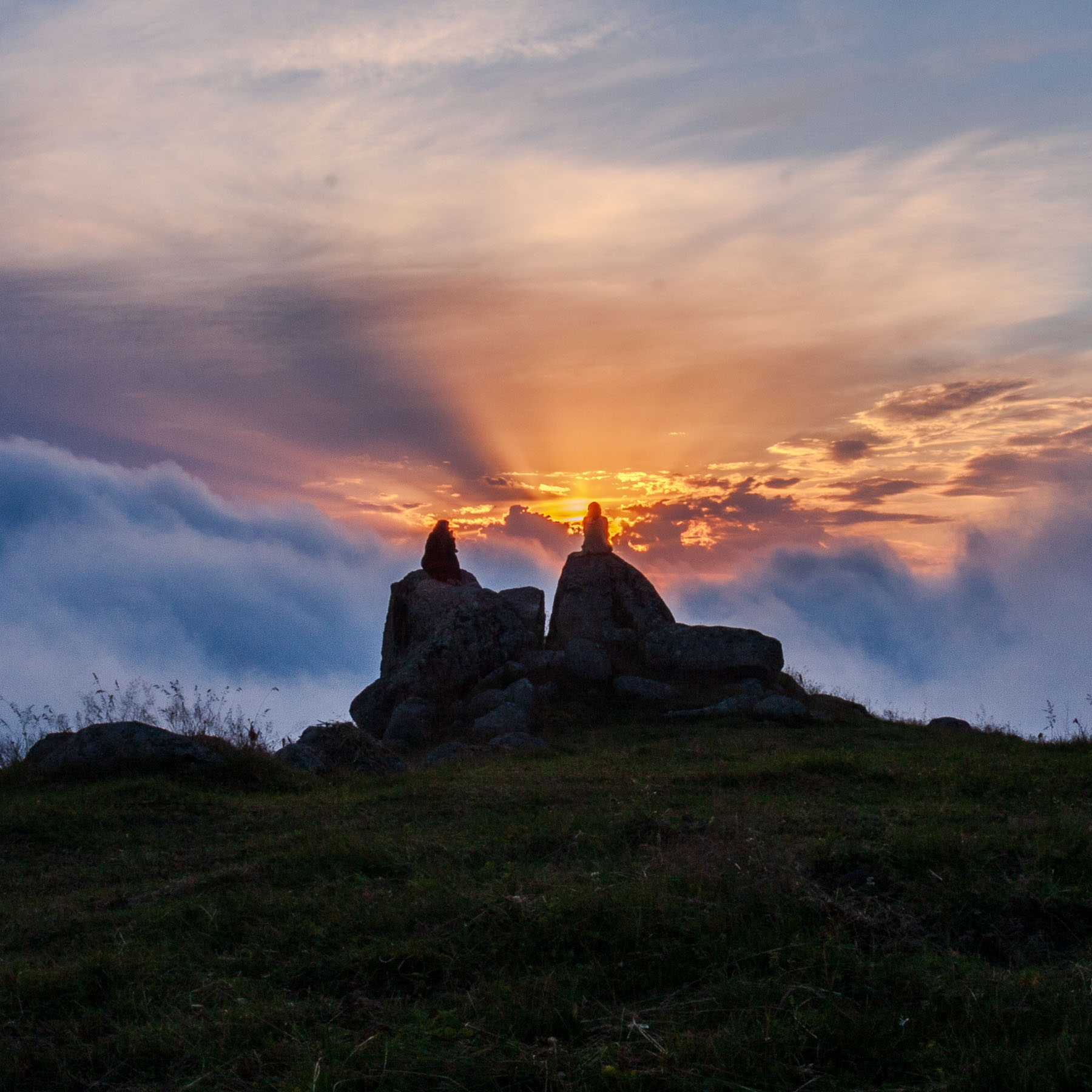
- Watch the sun set above the clouds
- Experience traditional music and dance at a local gathering



History
The ancient Greeks only ventured into the ‘barbarian’ lands of the Black Sea at the start of the first millennium BCE. While their victories over the locals were rare, they did occur, as seen in the semi-legendary tale of Jason and the Argonauts. Later, between the 7th and 4th centuries BCE, the Ionians of Miletus founded a number of colonies on the Black Sea coast, most of which eventually became the modern cities we know today. The region ventured on the world stage only briefly when a local Pontic king, Mithridates IV Eupator, came close to expelling the Romans from Anatolia.
This region felt the change brought about throughout Anatolia with the arrival of Christianity and many churches and monasteries that still stand today were constructed. The Black Sea remained a Christian stronghold even during Ottoman rule until all Christians (making up the merchant class) were expelled from Turkey after the victory of the Turkish Republic. Loss of the merchant class sent the region into economic hardship on the verge of famine during the 1930s.
Local Cuisine
The Black Sea is known for its mild and simple dishes reminiscent of Eastern Europe and the Caucasus Mountains. Quite different from the rest of the country, the bulk of the diet in this region consists of corn, beans, greens, and dairy products. Instead of the wheat consumed throughout much of Turkey, the most popular grain in the Black Sea area is corn, from which locals make dense, filling bread. The green landscape means enough green grass to support larger animals like cows, meaning that butter and cheese are big staples in the diet. One popular breakfast dish consists of corn meal toasted in butter, cooked into a thick porridge with cheese and eaten with bread. Synonymous with the region, collard greens are a favorite ingredient and are usually made into a soup, stew, or stuffed with rice or meat. Beans are also very popular, fresh beans are pickled in their pods and more mature beans are shelled and dried. During winter, fish plays an important role in local diets, especially small oily fish like anchovies, which are dipped in corn meal and pan-fried.
Biking
With its dramatic mountainous backdrop, the Black Sea region makes for breathtaking rides, but at a price. Valleys, hillsides, and of course roads here are steep and relentless. The climbs can be brutal, but the vast natural landscape is unbelievable. As the mountain trails can be very technical, especially on the climbs, our MTB routes through the region incorporate many newly constructed dirt roads, supplemented with short section of easier trails.
Road biking is best suited to the more coastal regions as pavement becomes non-existent at higher elevations. Keep in mind though that the main coastal road is a busy highway, so the best road cycling routes still take advantage of lesser used village roads where the climbs really add up as well.
Hiking
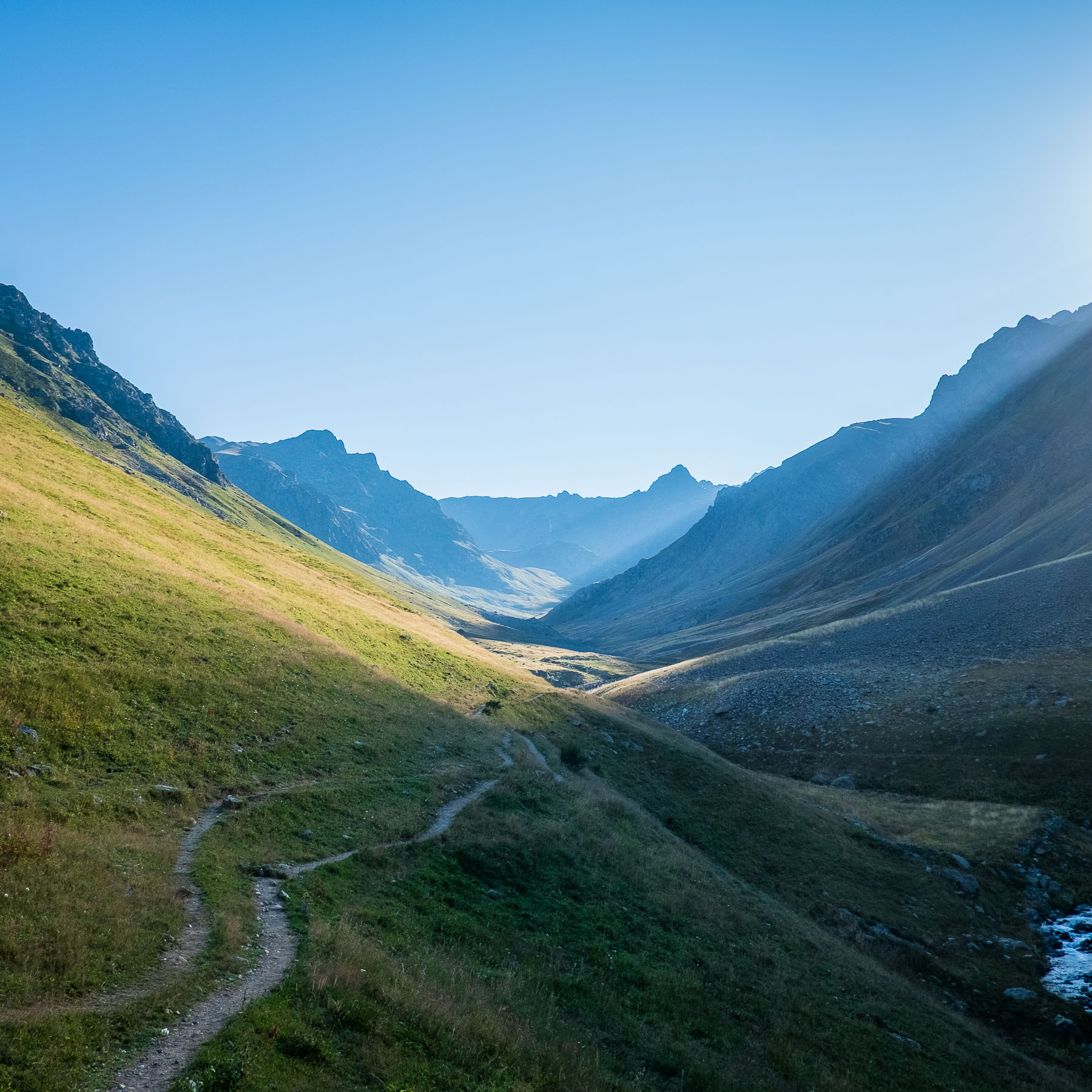
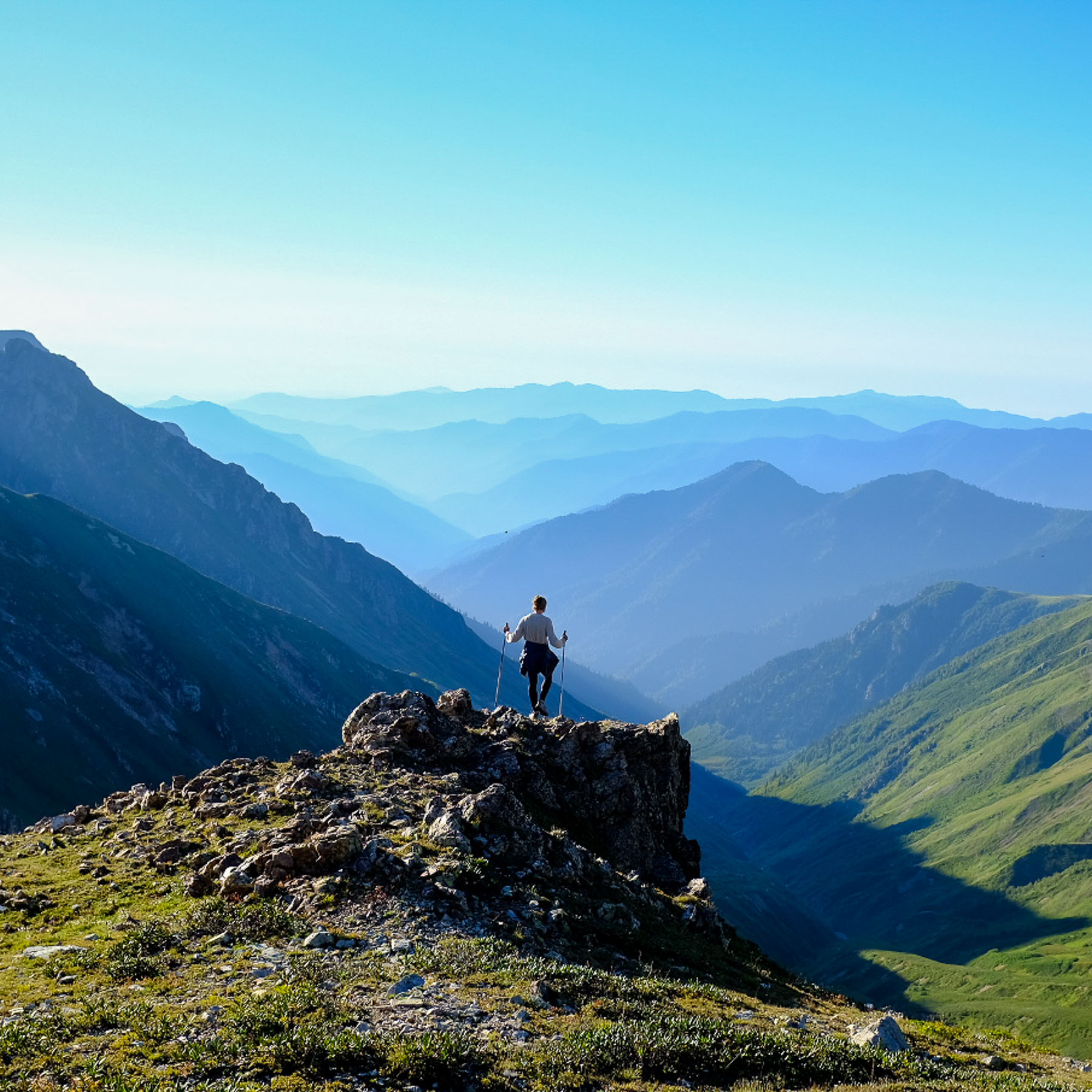
As the residents of the Black Sea region have been making their way on foot for millennia, there have always been endless trails traversing the highlands. In recent decades, many new road constructions have destroyed these traditional routes as others have quickly become overgrown from a lack of use. Today, the highest density of preserved trails is found in the Kackar Mountains National Park which connect some of the region’s most remote pasturelands and mountain passes. These trails are often remote and fairly difficult, but their immense beauty is enough to keep mountaineers and hiking enthusiasts come back year after year.

Culture
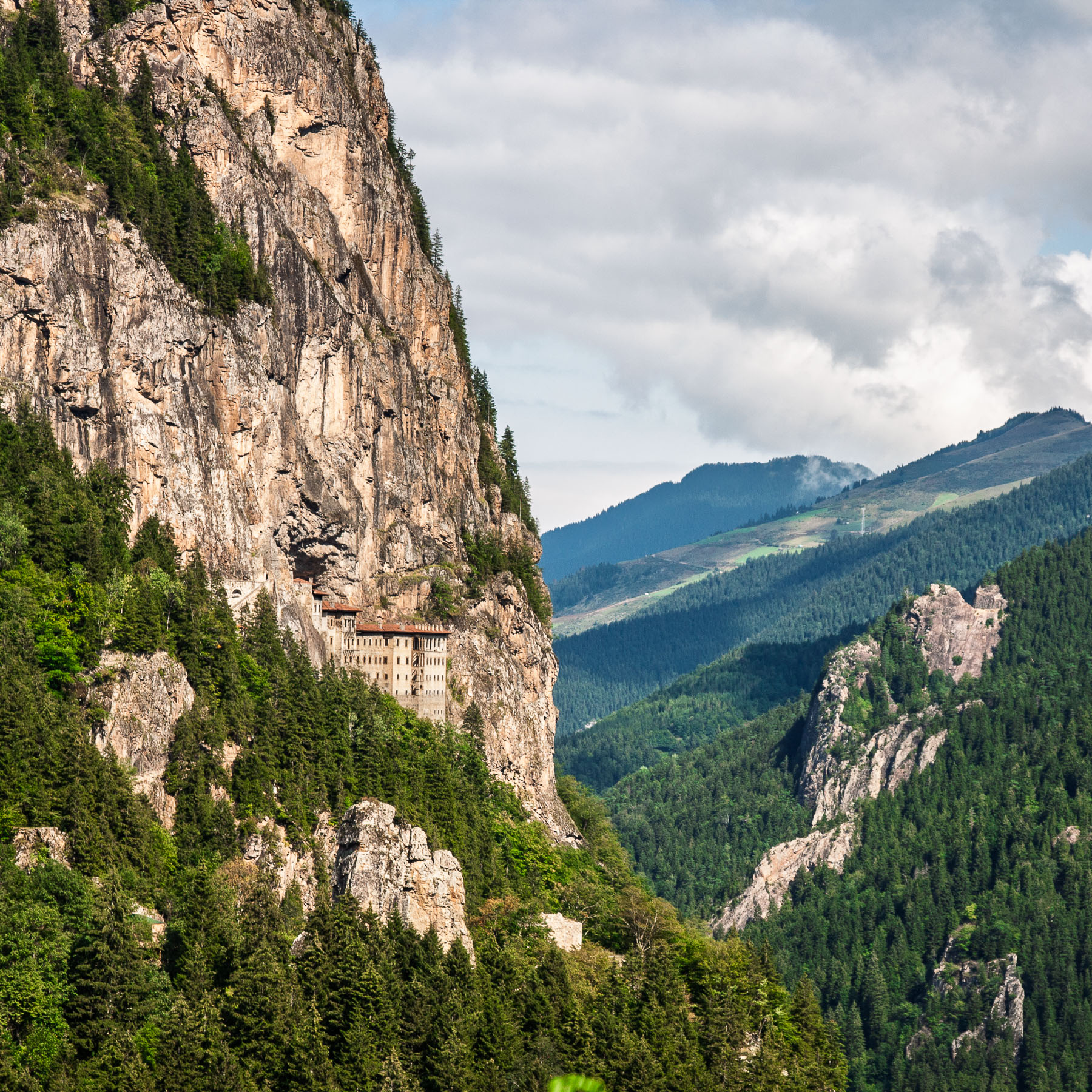
Many of the most popular historic sites in the region date to the Byzantine Period; these include Sumela Monastery, clinging to a sheer cliff, and the Church of Aya Sofya, both located in the coastal parts of the Trabzon province. But the real cultural story here is even more contemporary. The Black Sea region is home to a diverse landscape of locals; including ‘Rum’, speakers of a Greek dialect that avoided forcible relocation in Greece by having converted to Islam, Laz, a Kartvelian ethnic group with their own language, ‘Hemsinli’, a caucasian looking group that speak an Armenian dialect, and ethnic Georgians.
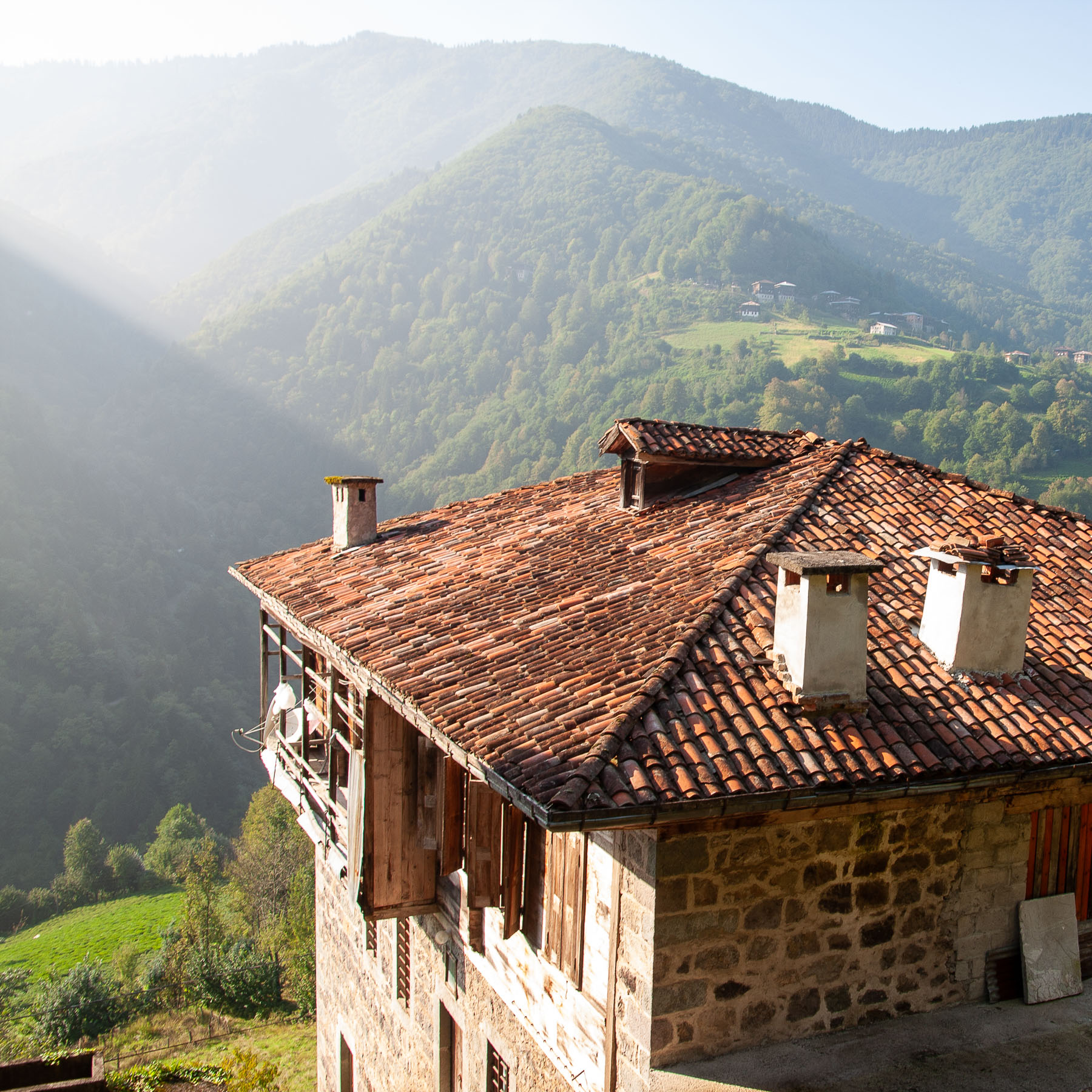
Also of cultural interest is the local tendency towards a semi-nomadic lifestyle, residing in the high mountains in summer and lower villages in winter. While the entire region used to be home to beautiful wooden houses and traditional architecture, many of the lower villages have slowly turned to modern construction and concrete. The best places to admire these authentic building are the highland summer settlements, preferably those with rough roads and difficult access.
The cuisine of the region is another cultural oddity. While the majority of Turkey’s most famous dishes focus on staples like wheat, meat, and yogurt, the Black Sea is home to a diet largely characterized by corn, beans, cheese, leafy greens, and fish (mostly anchovies) near the coast. The only tea grown in Turkey is also grown on the misty mountainsides of the Black Sea; tea fields create a beautiful, almost exotic landscape and forming the basis for the economy is many areas.