
Destination
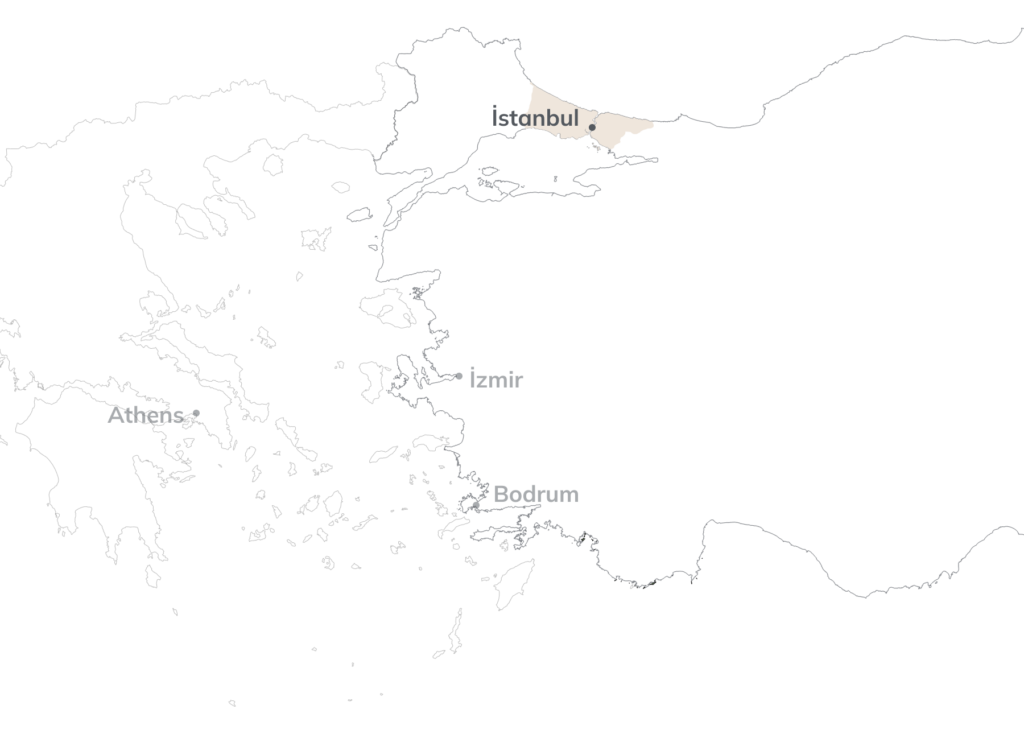
İstanbul

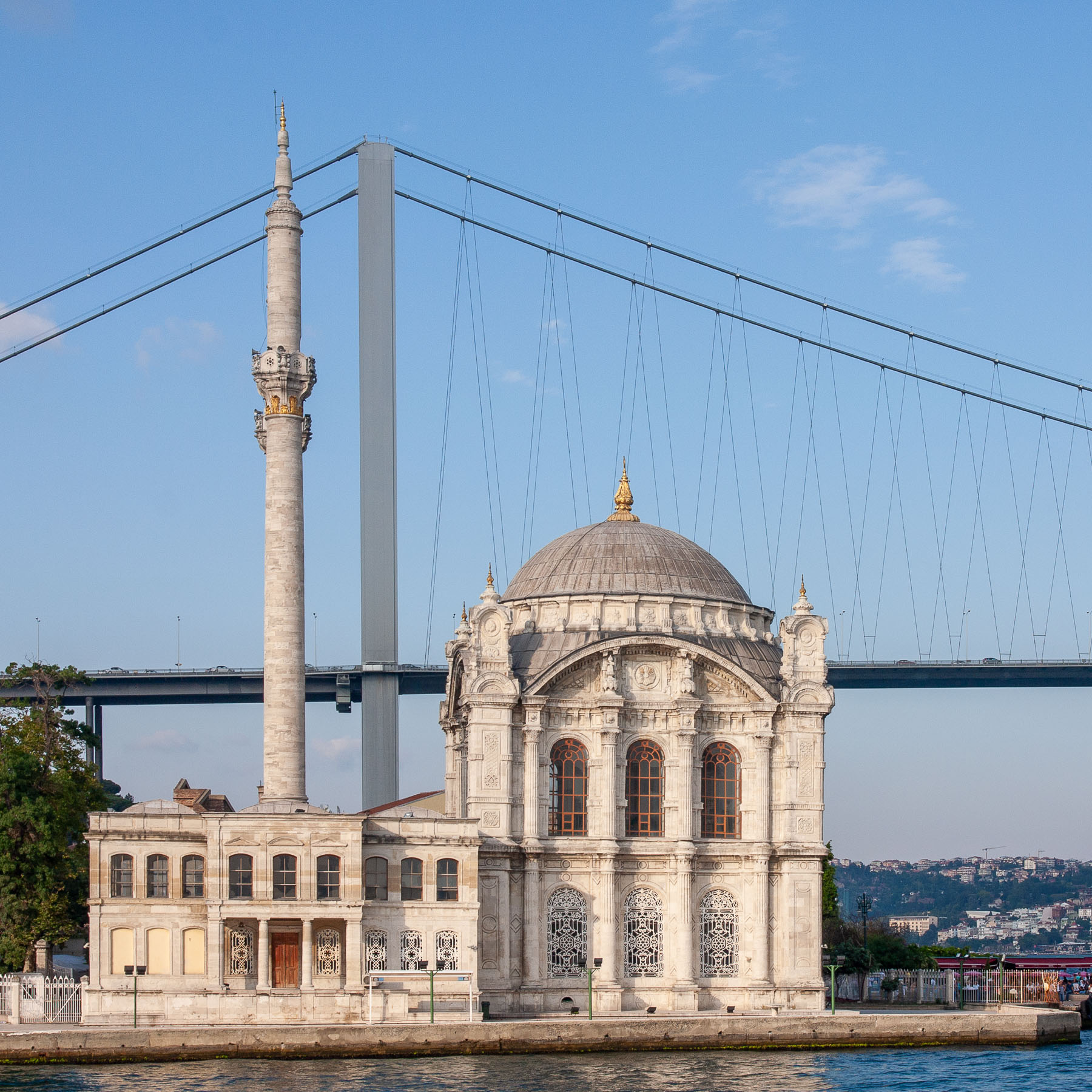
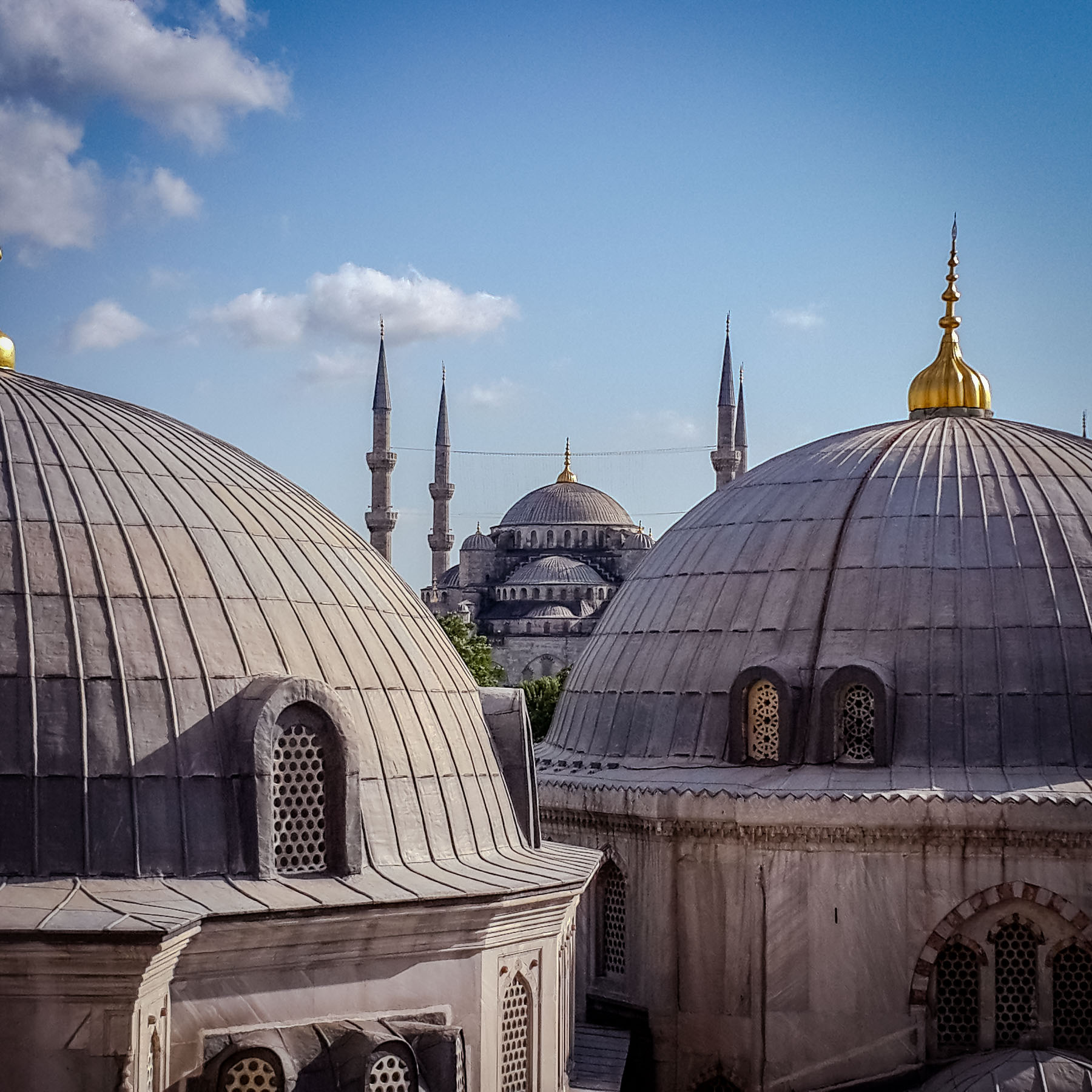
The bustling, cosmopolitan city at the crossroads of Europe and Asia combines traces of civilizations past with modern multiculturalism; no trip to Turkey is complete without a wander through its historic streets. Enjoy a culinary walking tour of the trendiest districts in Istanbul, explore the historic mosques and cultures treasures. Roam the exotic Spice Bazaar, take in the incredible skylines dotted with minarets to the breathtaking Bosphorus, Istanbul delights.
Adventure awaits on land and sea, with the city offers a plethora of walking. Venture out of the city and explore the natural parks and forests surrounding the city. Ride the coastal paths and trails for a multi-day tour and return by boat along the coast. So many options for tours and travel in and around Istambul.
The Carians, residents of the ancient civilization residing in this area, also left us a wealth of structures to explore. Many of their ancient cities have seen little to no excavations or interest from the world of archeology. While this is quickly changing, for now, many ancient sites seem truly undiscovered, a paradise of city walls and stone structures hiding in plain sight.
- March - December
- Biking, Hiking, Sightseeing, Cuisine, Family
- 2 - 4 Days
- Hand Picked Top 10
- Savor Turkey’s culinary history with an Ottoman dinner
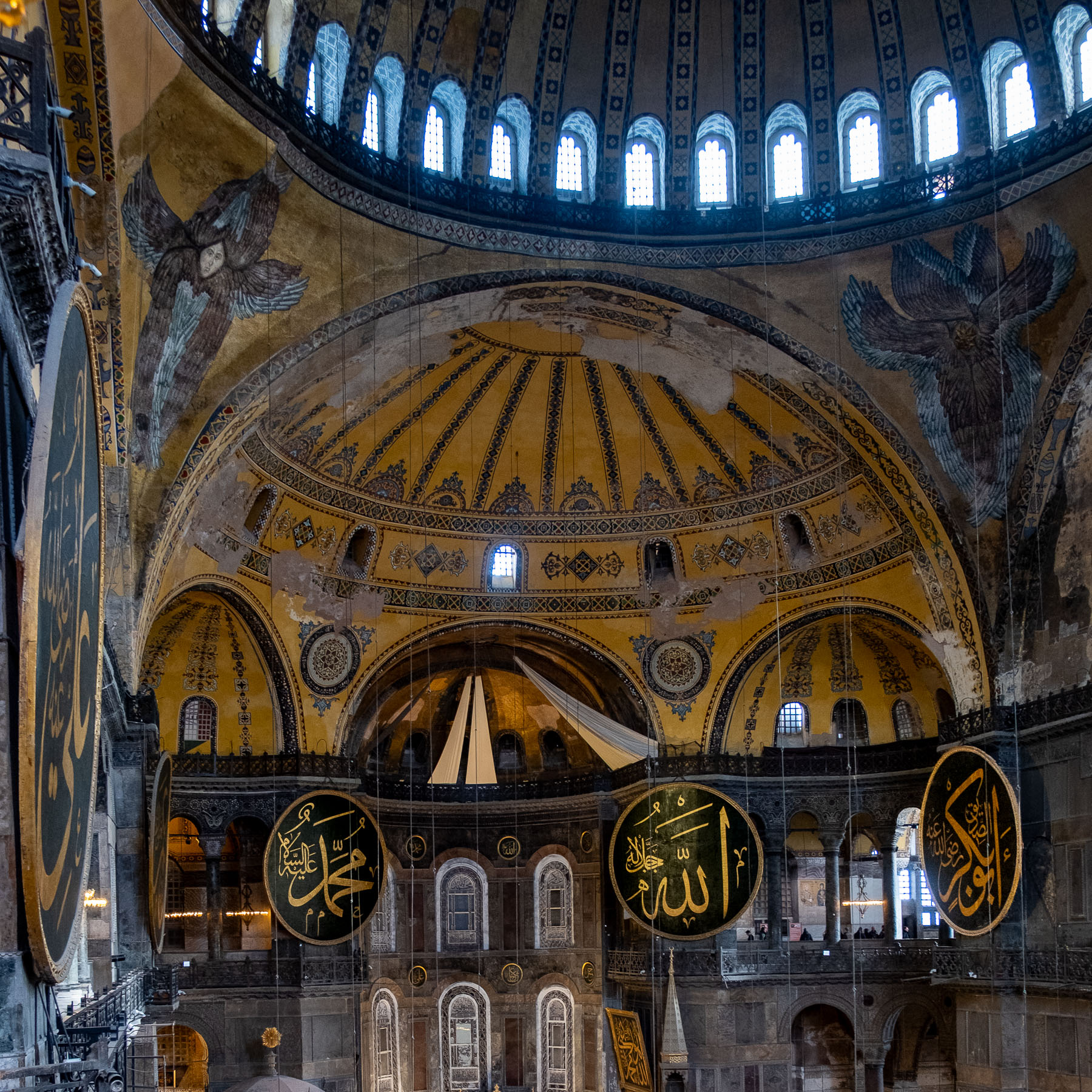
- Marvel at the Magnum Opus of Byzantine art: the Hagia Sophia
- Sail between Europe and Asia on the legendary Bosphorus Strait
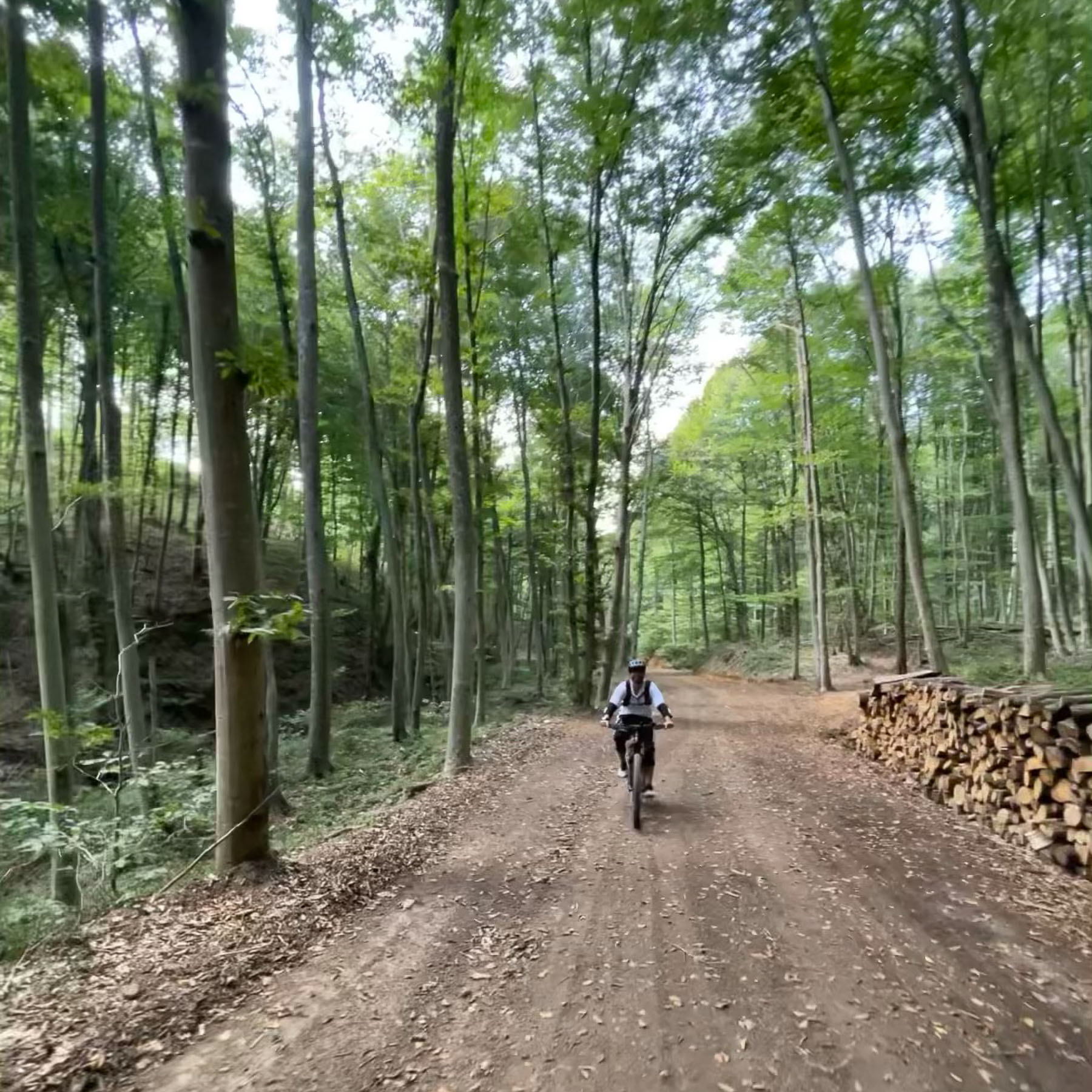
- Leave the bustle behind for a bike ride in Belgrade Forest
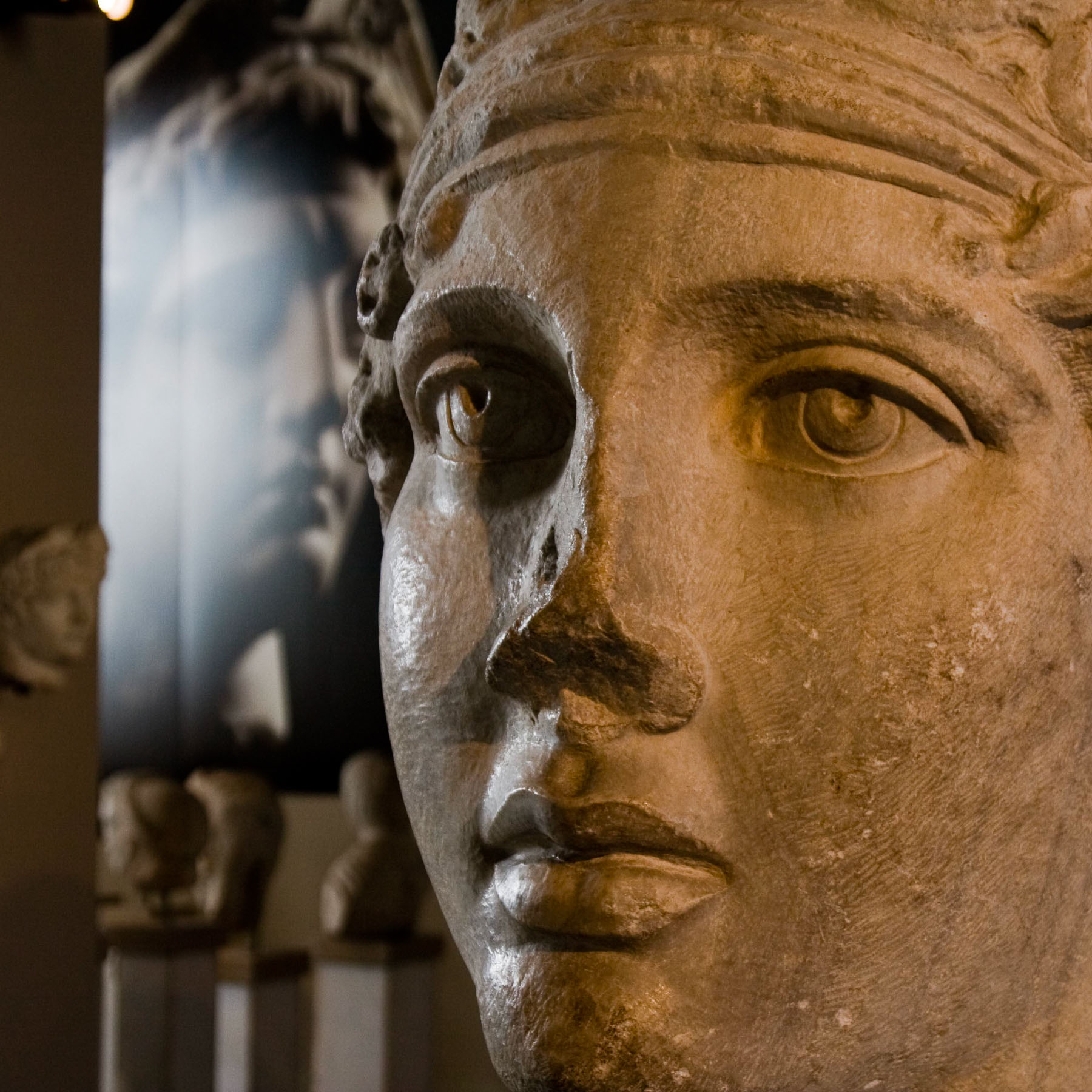
- Explore the vast Istanbul Archeology Museum after hours
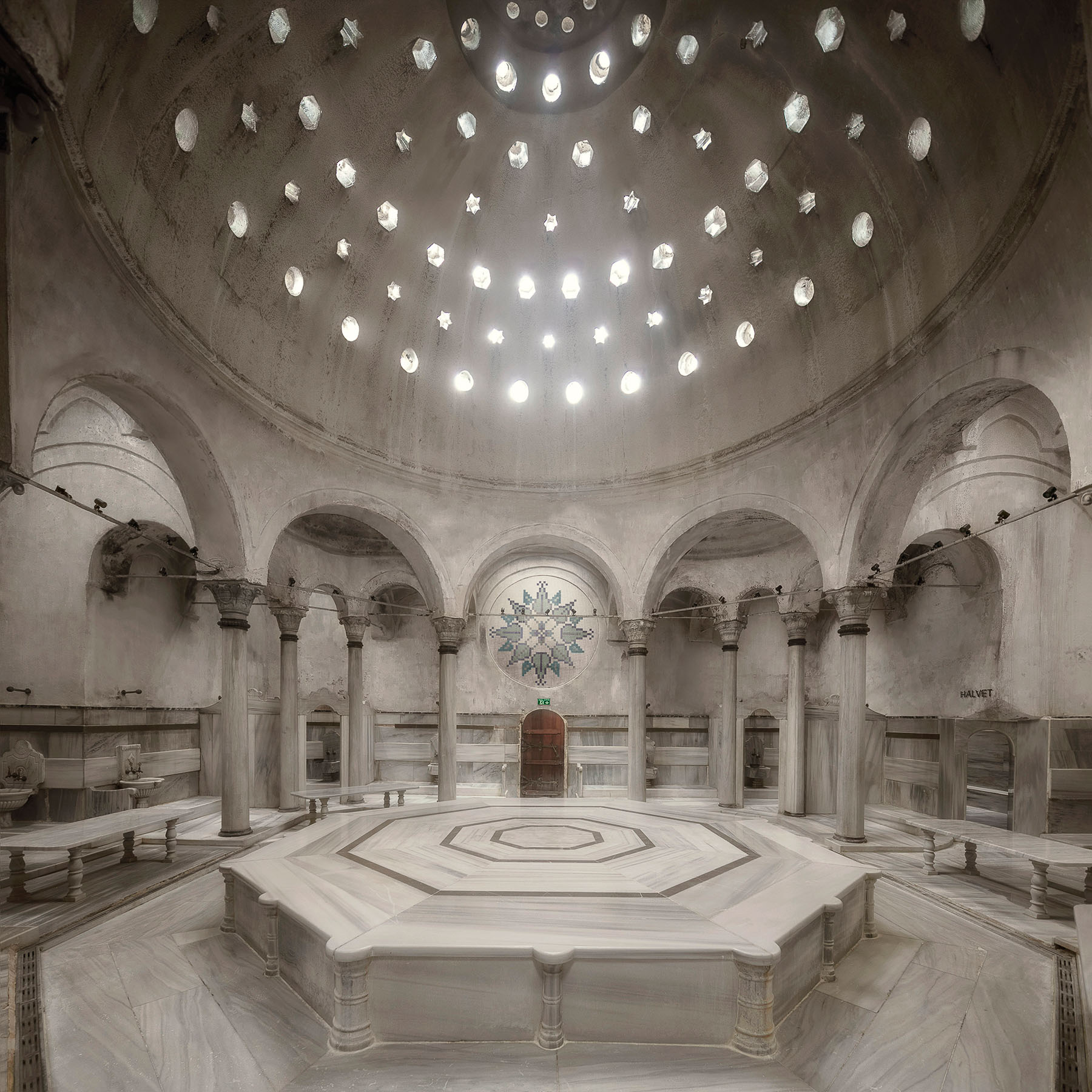
- Melt away stress in a centuries-old Turkish hammam
- Witness Turkey’s religious pluralism at Ayin Biri Church
- Dine your way through Istanbul’s new Michelin-starred restaurants
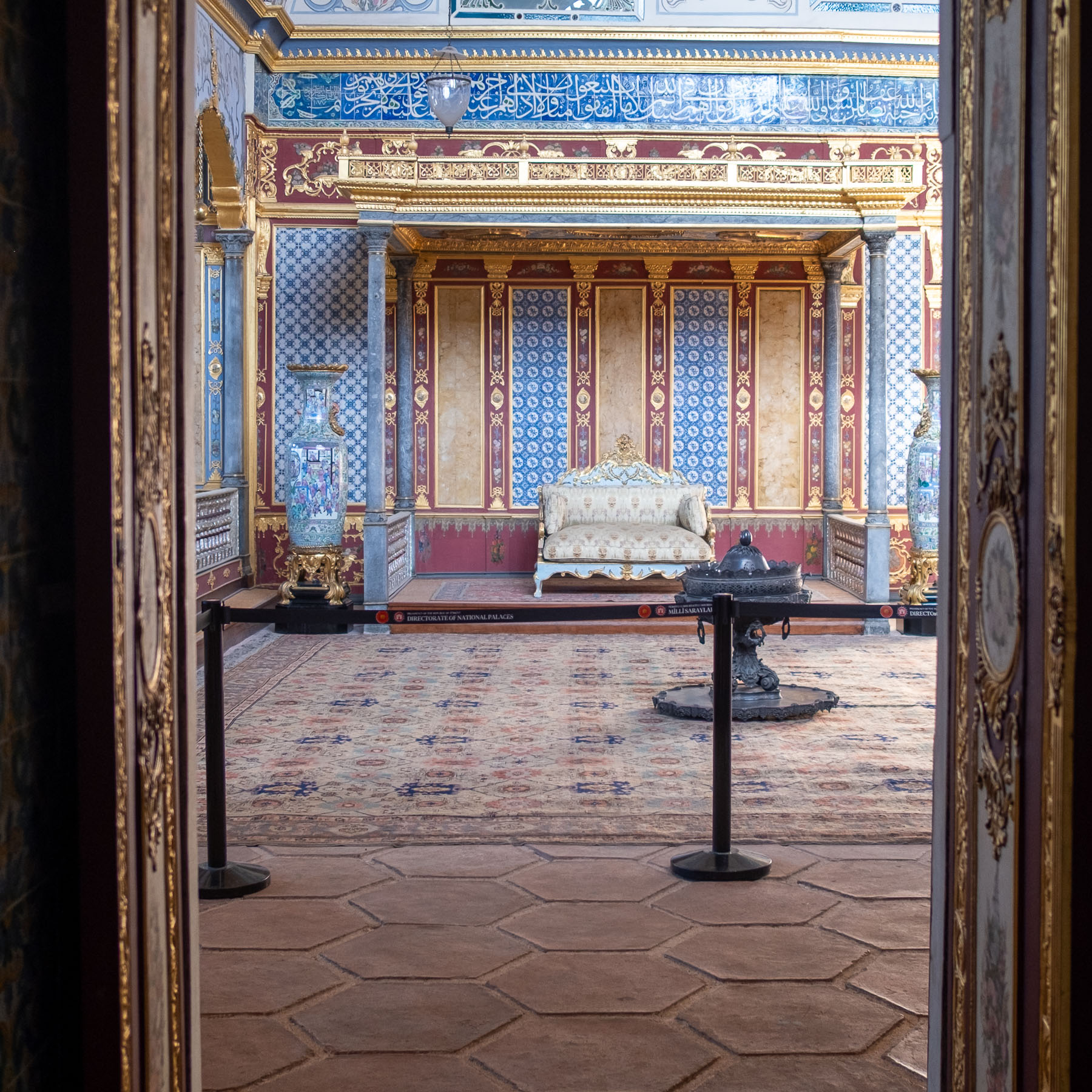
- Experience the grandiose lives of the Ottoman Sultans
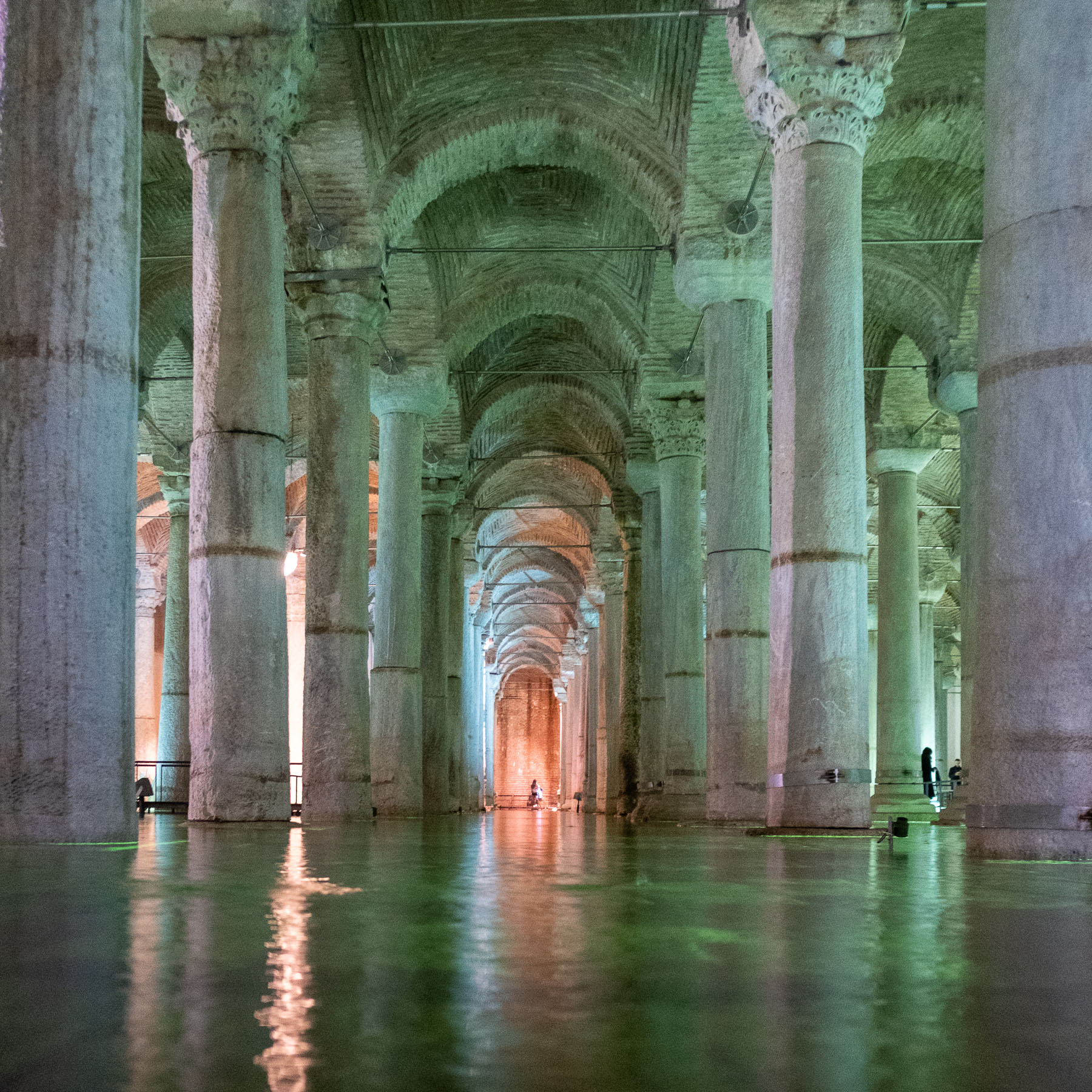
- Attend an underground concert inside the 1500-year-old Basilica Cistern


History
Located on an important natural harbor at the crossroads of Europe, Asia, and the Middle East, Istanbul has always played an important role in transcontinental trade and therefore politics. The sought after city, although having been inhabited since Neolithic times, comes to the forefront as Byzantium, named after legendary King Byzas who supposedly conquered the area in 667 BCE.
The location of Byzantium attracted Constantine the Great in 324 after a dream prophesying his development of a city which sat on seven hills (as Istanbul then did). After fulfilling this prophecy, the city’s name became Constantinopolis (the City of Constantine) and was declared the new capital of the Roman Empire. Later ruling was fraught with conflict and soon the Roman Empire was split into East and West, with Constantinopolis at the head of Eastern Rome, which came to be known as the Byzantine Empire.
In spite of their decline in power, the Byzantines managed to retain control over Constantinopolis until finally being overthrown by the Ottomans in 1453. Known alternatively in Ottoman Turkish as Kostantiniye or Istanbul (likely a form of the name Constantinople with two of its syllables dropped) was the capital of the Ottoman Empire from its conquest in 1453 until the empire’s collapse in 1922.
Today Istanbul is the largest city in Europe and is still the cultural and commercial center of Turkey, home to one fourth of the country’s population and one third of its economy. Many of the city’s mosques and other historic landmarks were collectively designated a UNESCO World Heritage site in 1985, just one of the reasons why Istanbul received more international arrivals than any other world city in 2023.
Local Cuisine
Istanbul serves as not only the cultural capital of Turkey, but is at the center of a vast region encompassing influences from the Balkans and Eastern Europe, Aegean Greece, Middle Eastern countries like Syria, Iraq, and Iran, Russian, Georgia, and Armenia to the east, and even parts of Central Asia. Thusly, the cuisine of Istanbul contains elements from every corner of this vast region, as well as all the immigrants and migrants that have passed through it. Here you can find remnants of Ottoman palace cuisine with its rich use of spices, butter, rice, meat, and dried fruits. Greek influence is felt in the city’s simply cooked seafood and endless variety of vegetable-based meze. Once numerous Armenian and Jewish residents have contributed their own dishes and flavor combinations. Middle eastern influence plays a starring role in the heavily spiced Southeastern Turkish kebabs, salads, bulgur dishes, and desserts. In addition, Istanbul has remained a cosmopolitan city, home to a vast expat and immigrant population. This means that in addition to the many variations of regional Turkish specialities, you can also find restaurants serving all the major (even many minor) cuisines of the world.
Biking
While Istanbul is at its essence a cultural destination, there are a few parks and natural areas further afield. One of our favorites is the Belgrade Forest, home to many smooth and shady single and doubletracks perfect for a refreshing ride away from the chaos of the city. These mountain biking escapes can be run anytime from May to October, any later and the park’s dirt trails turn to thick mud.
Hiking
Although we can almost guarantee that you’ll get in more than enough walking from sight to sight through the cultural landscape of Istanbul, sometimes we need to escape into nature to clear our minds and refresh our bodies. The Belgrade Forest is the best place to do just that. Its quiet, forested trails and lakes are the perfect spot for a refreshing mid-trip hiking break from May – October (as the dirt turns to thick mud during the rest of the season).
Culture
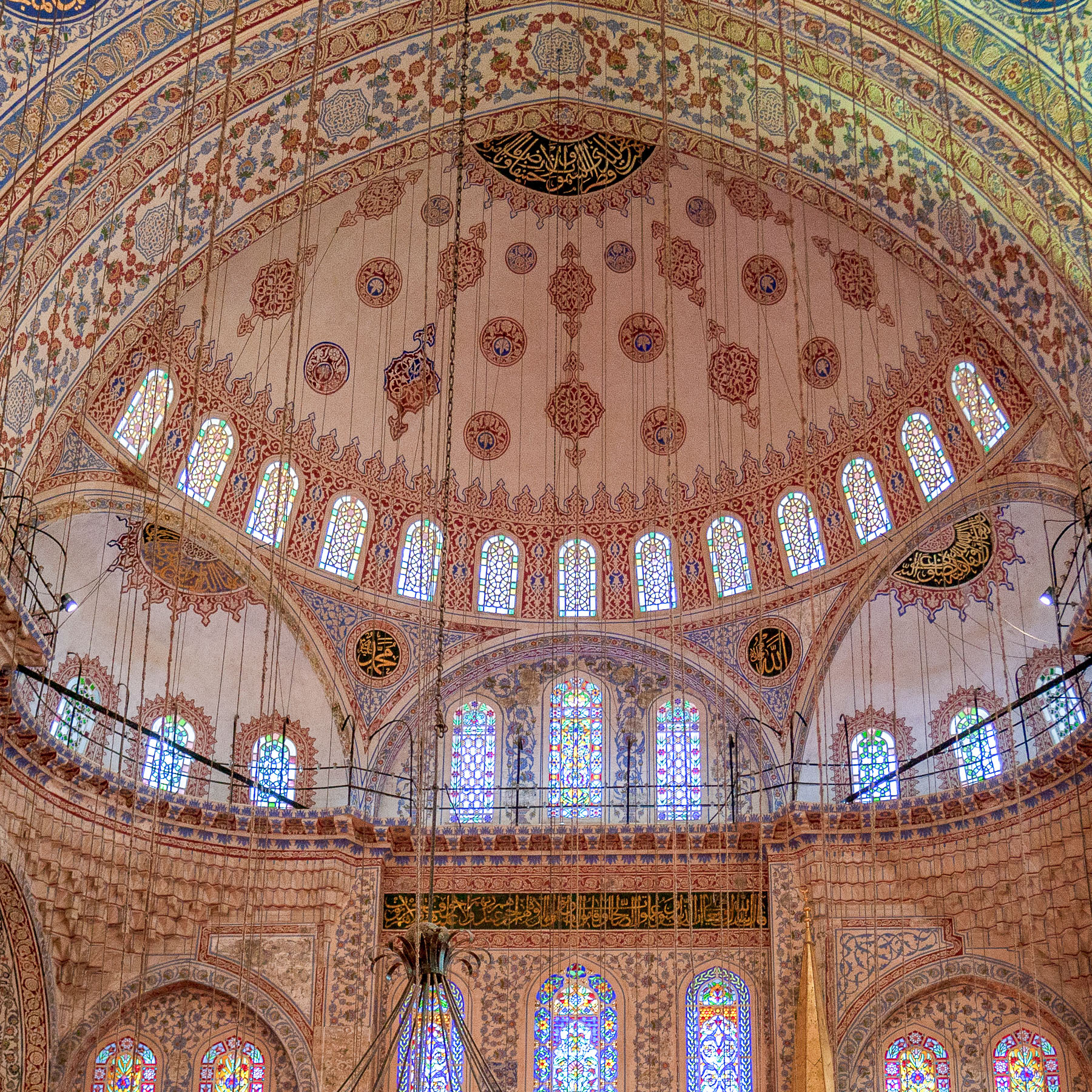
Istanbul is home to one of the highest amounts of cultural sites of any city. Historically one of the most diverse and important cities in the world, Istanbul has served as the capital for multiple powerful civilizations, traces of which are still felt throughout the city today. We’ll of course start by visiting all the must-see sights: Hagia Sophia, Sultanahmet Mosque, Topkapi Palace, Istanbul Archeology Museum, Dolmabahce Palace, Kariye Mosque, the Grand Bazaar, Spice Market, The Basilica Cistern and of course the legendary Bosphorus. Then, time permitting, we can dive deeper into Istanbul’s lesser visited corners: Sulemaniye Mosque, Turkish and Islamic Arts Museum, Yedikule City Walls, Rumeli Hisari, local markets, the historic streets of Balat, Karakoy and Galata, and much much more. Not only can the blending of Roman, Byzantine, and Ottoman be felt in the city’s structures, the city’s historic cultural makeup of Christian, Muslim, and Jewish, Greek, Turkish, and Armenian is present in its architecture, neighborhoods, and of course, its unforgettable cuisine. As a city of nearly 20 million current residents and 8500 years of history, there are endless things to explore.