
Destination
North Aegean Islands

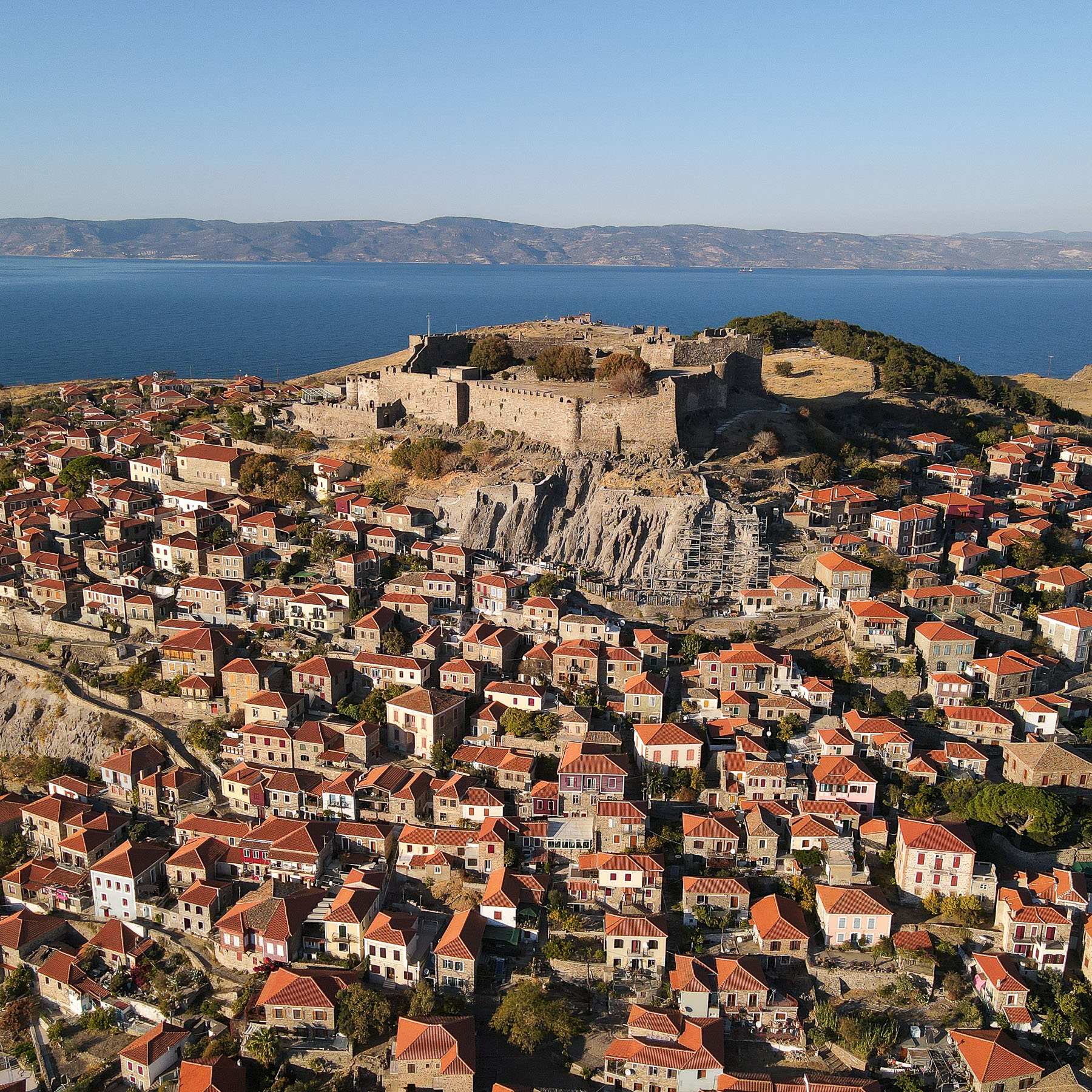
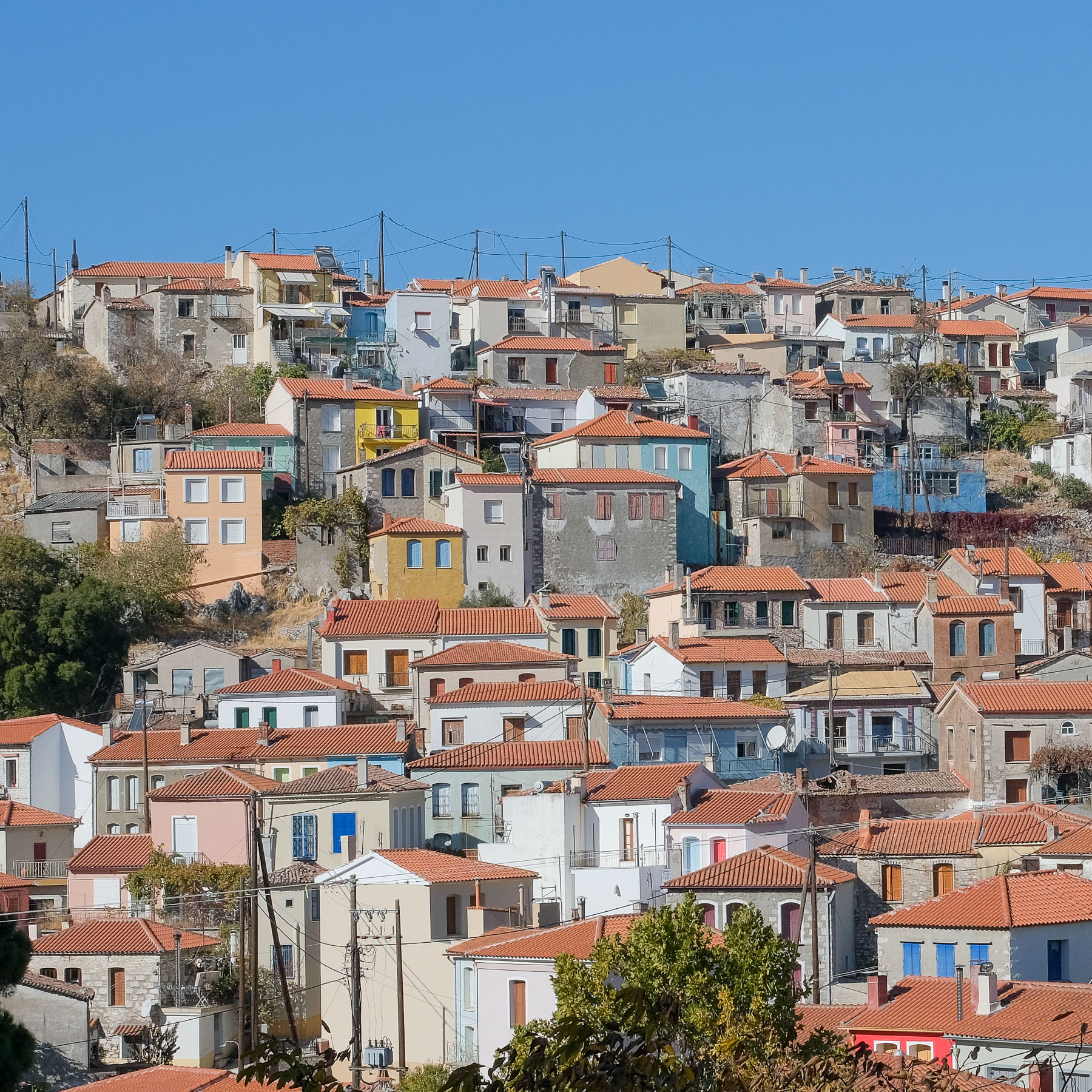
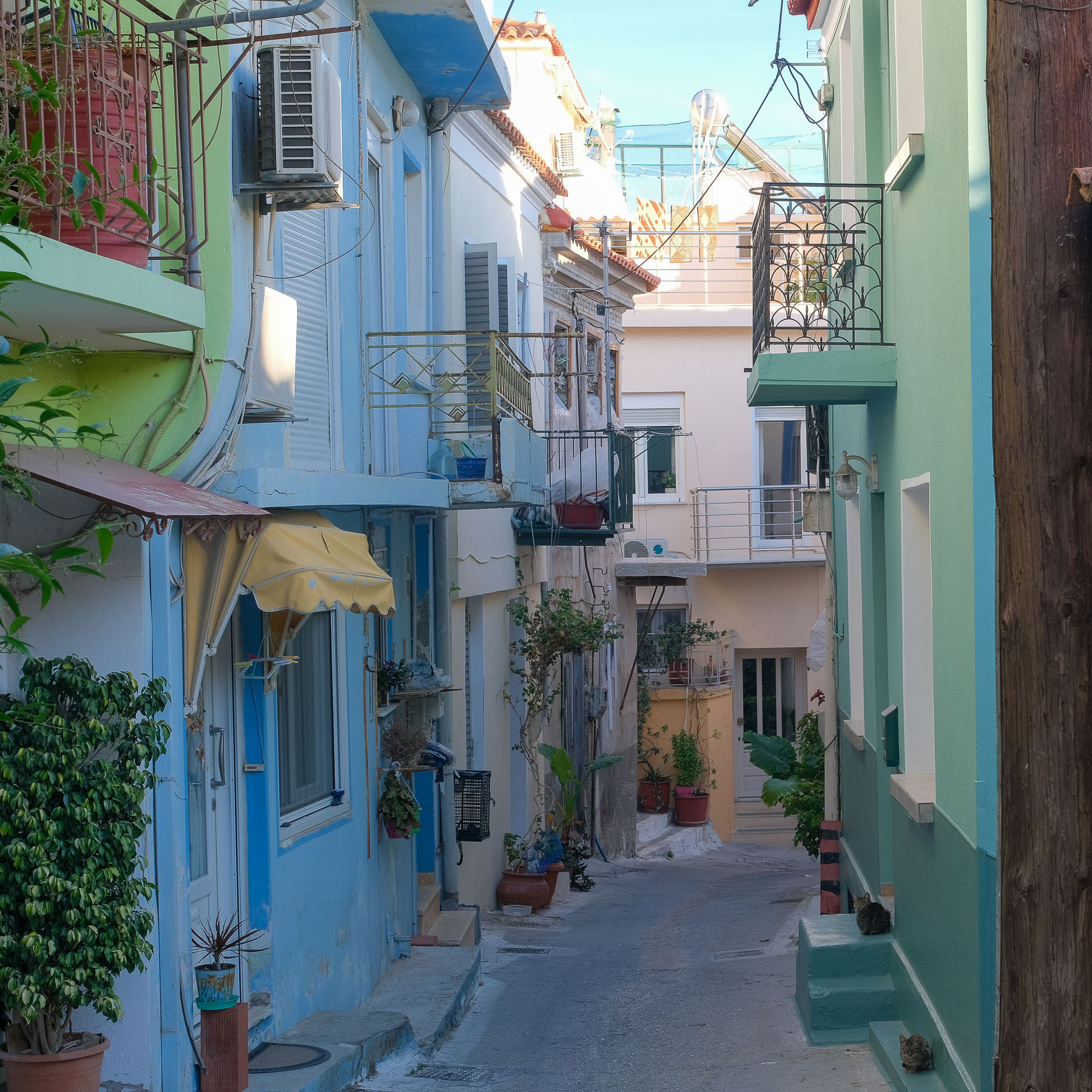
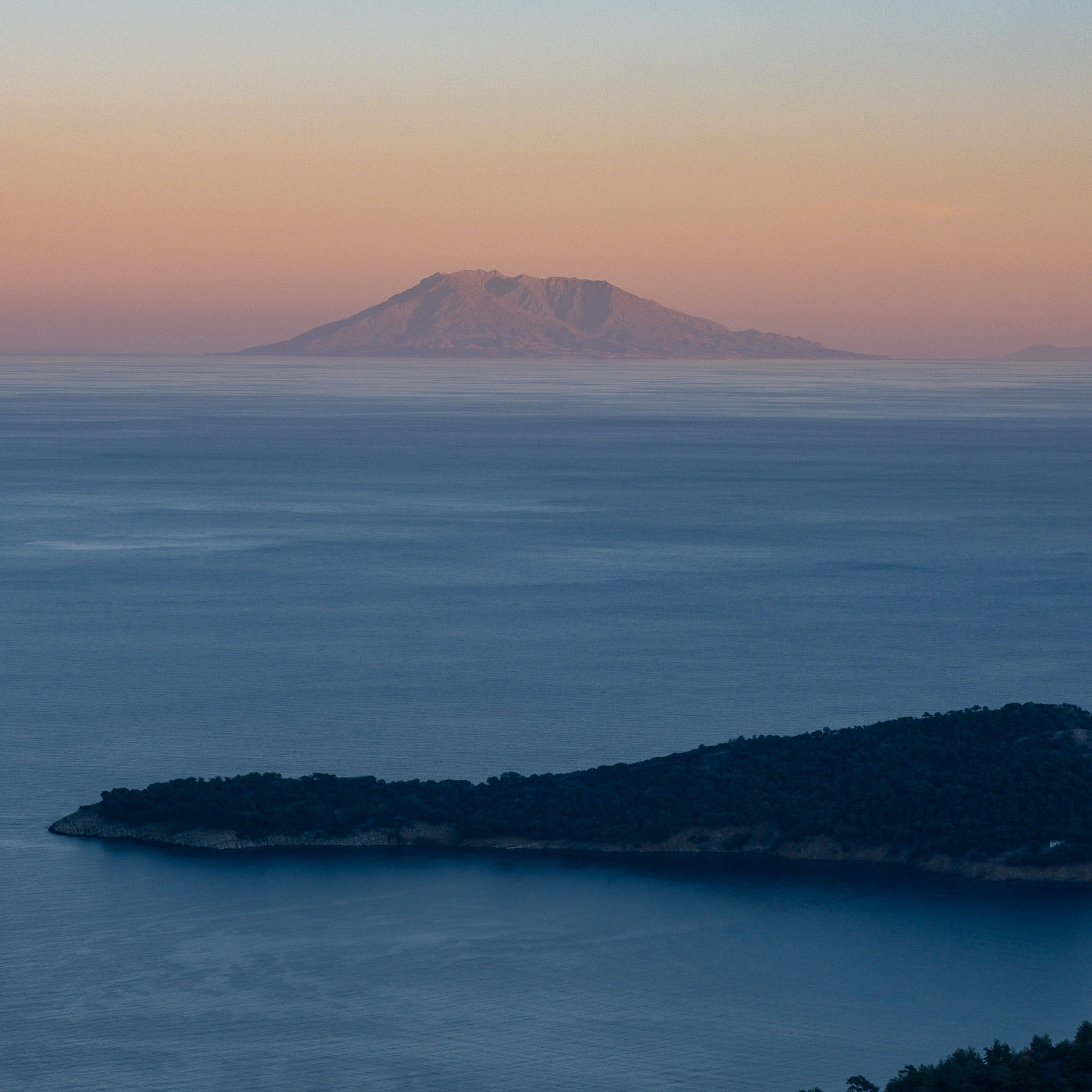
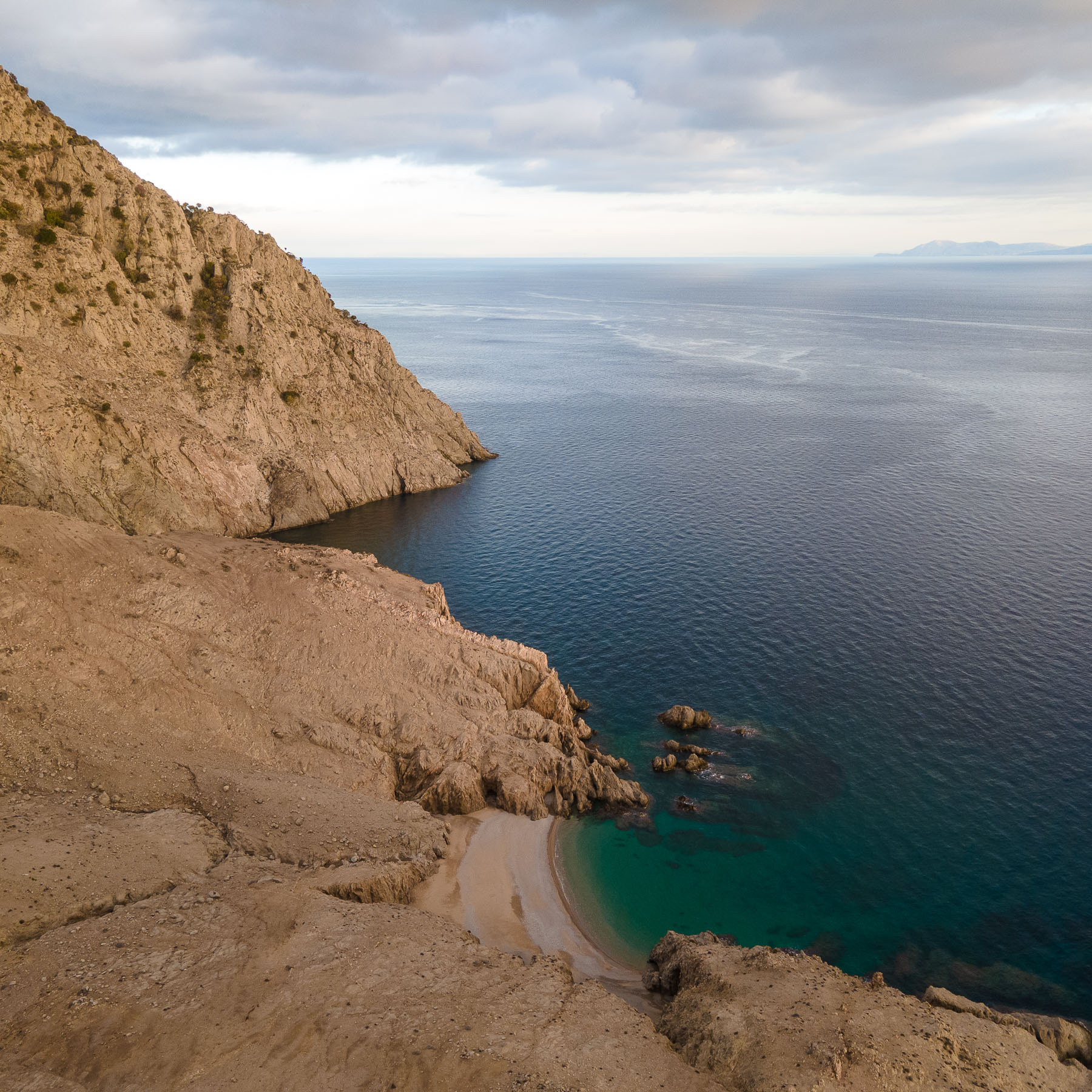
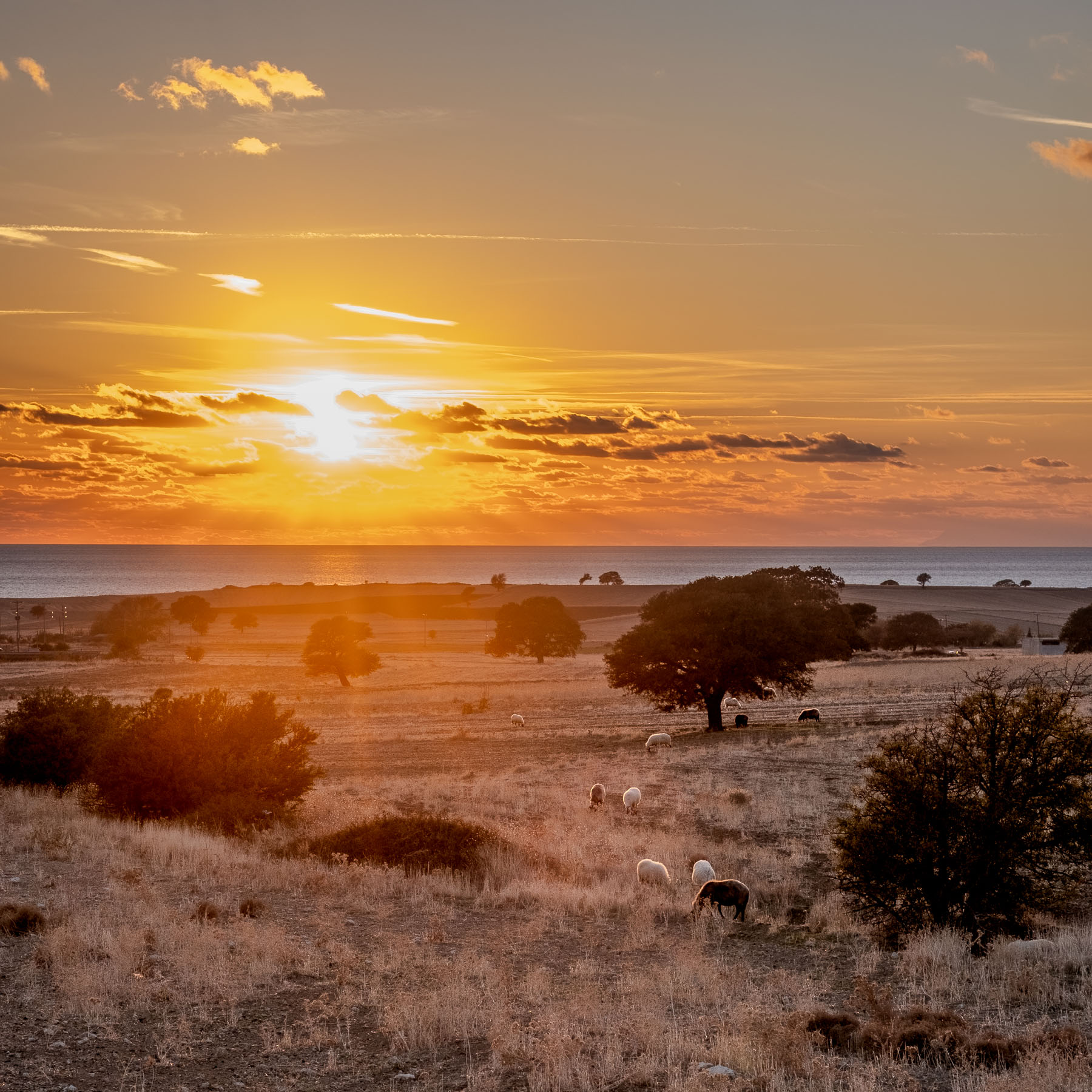
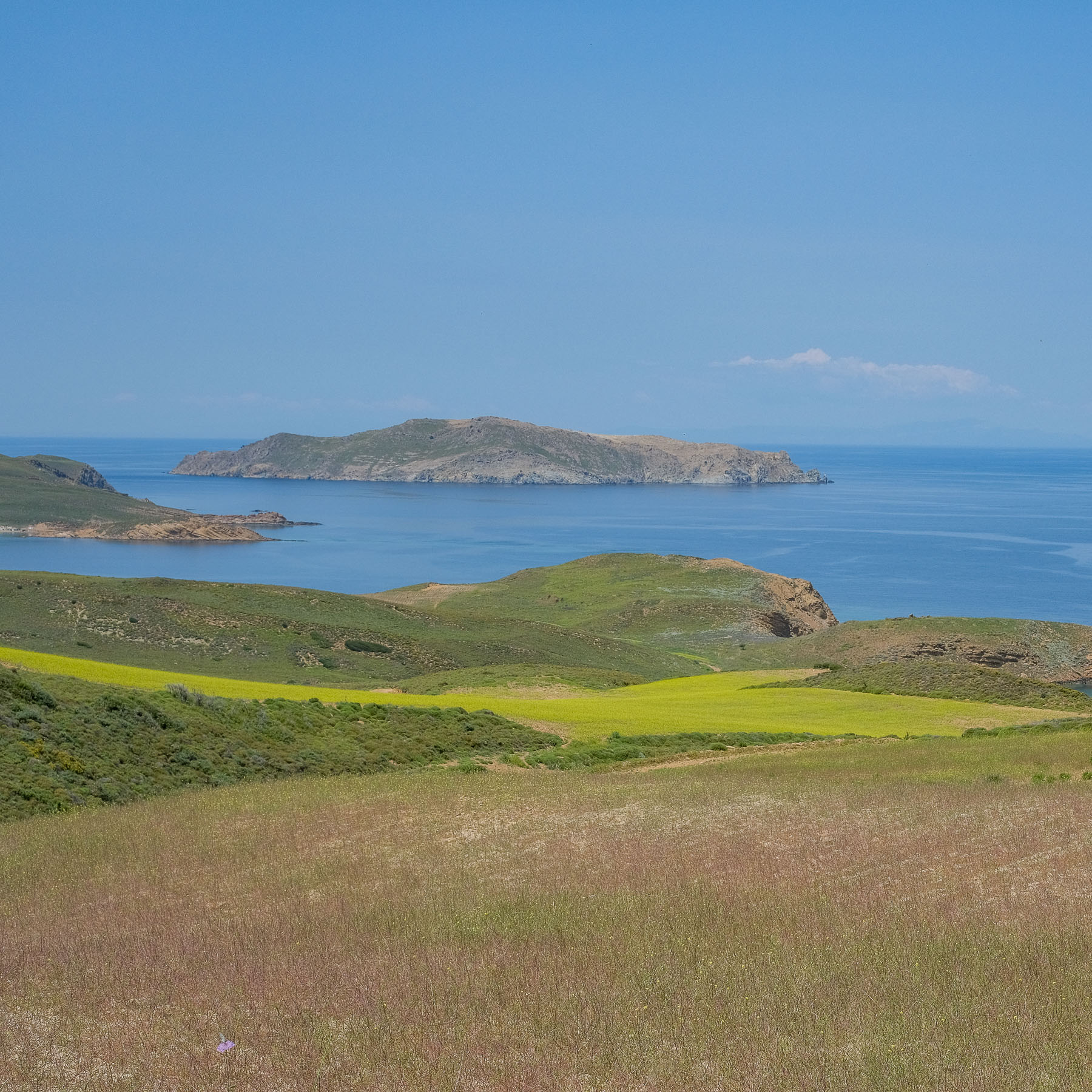
The enchanting North Aegean Islands, where every corner tells a story of ancient history, breathtaking landscapes, and unparalleled adventure. Nestled in the azure waters of the Aegean Sea, these islands beckon travelers with their pristine beaches, charming villages, and rich cultural heritage. The forests, mountains, and relatively cool weather of the North Aegean challenge your idea of what a Greek Island can be. With endless trails for either hiking or mountain biking and locals content with their slow pace of life, enjoy the crossroads of adventure and relaxation on these breezy green Aegean oasis.
Whether you seek the adrenaline rush of windsurfing on crystal-clear waters or descending on bike from the hilltops, the tranquility of exploring hidden coves by kayak, or the awe-inspiring beauty of ancient ruins perched atop rugged cliffs, the North Aegean Islands offer an array of unforgettable experiences waiting to be discovered. Embark on a journey to unlock the secrets of this captivating archipelago.
- May - October
- Biking, Hiking, Cuisine, Family, Kayaking
- 4 - 8 Days
- Hand Picked Top 10
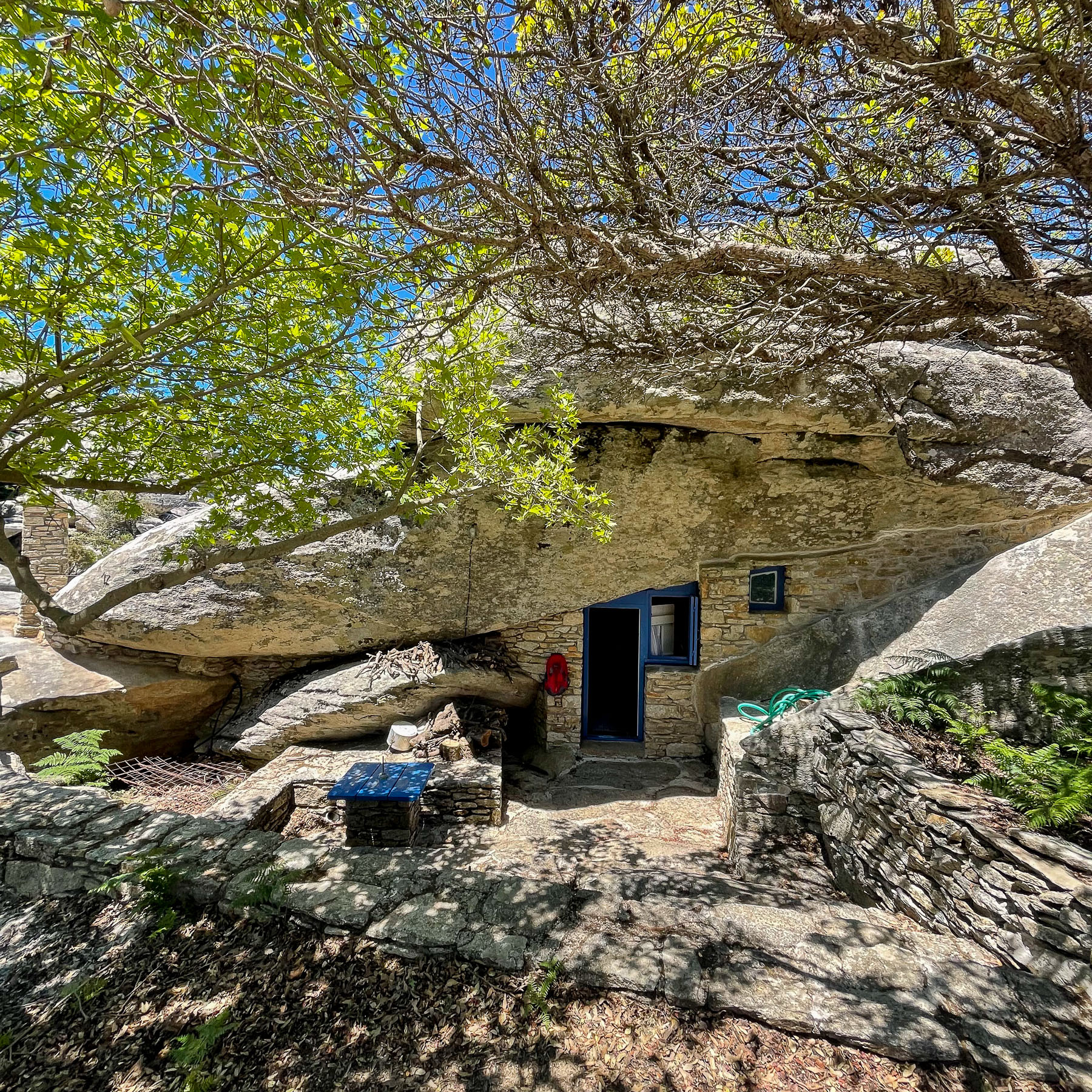
- Spend the night in a rock-hewn Ikarian hut
- Relive ancient myth in Samothrace's Temple of the Gods
- Be refreshed by the view and the breeze from the top of Thasos
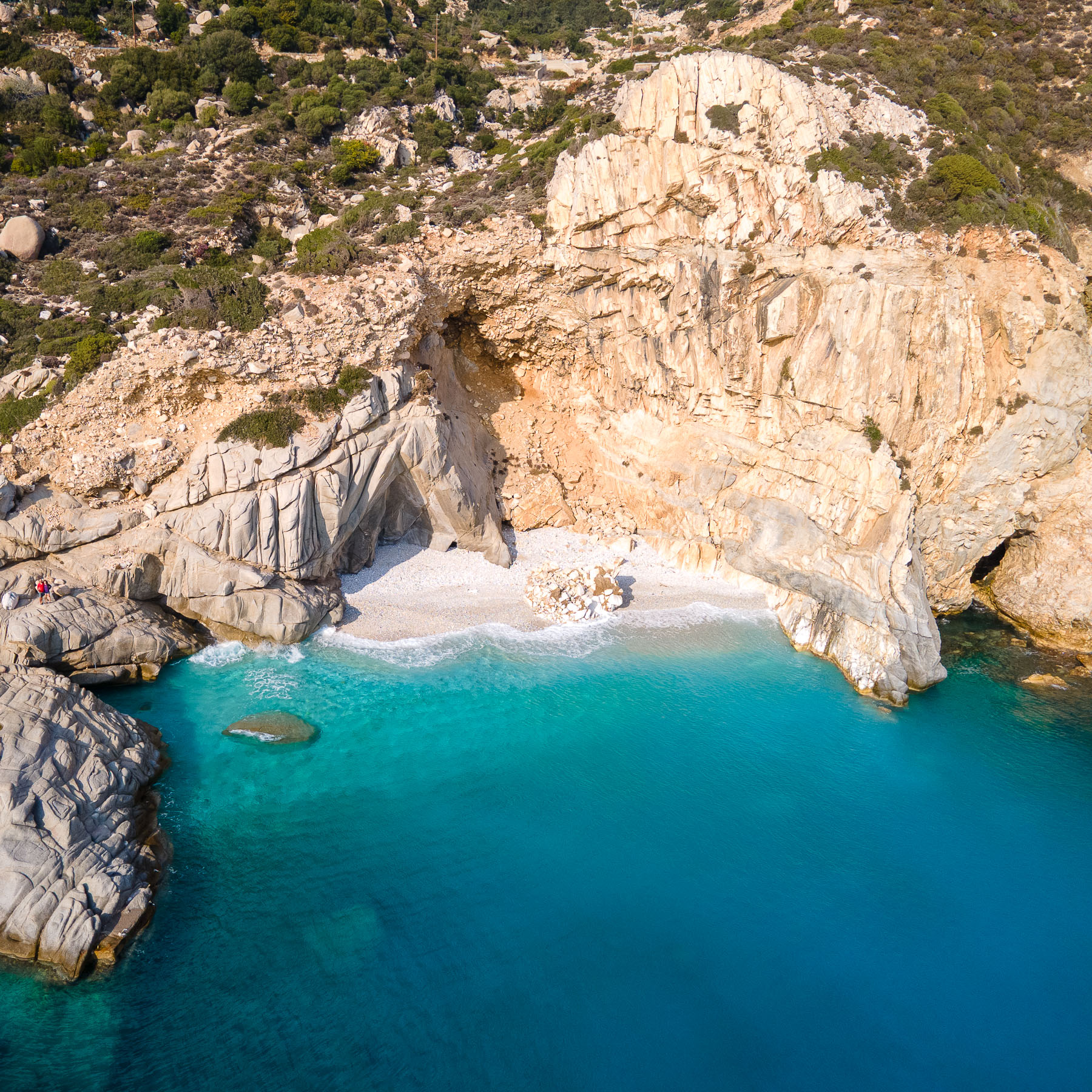
- Dip in the refreshing waters of Ikaria’s remote southern shore
- Zip along the exciting MTB trails of Chios
- Indulge in the contemporary dishes of Orizontas in Samos
- Hike through history on Ikaria's ancient trails
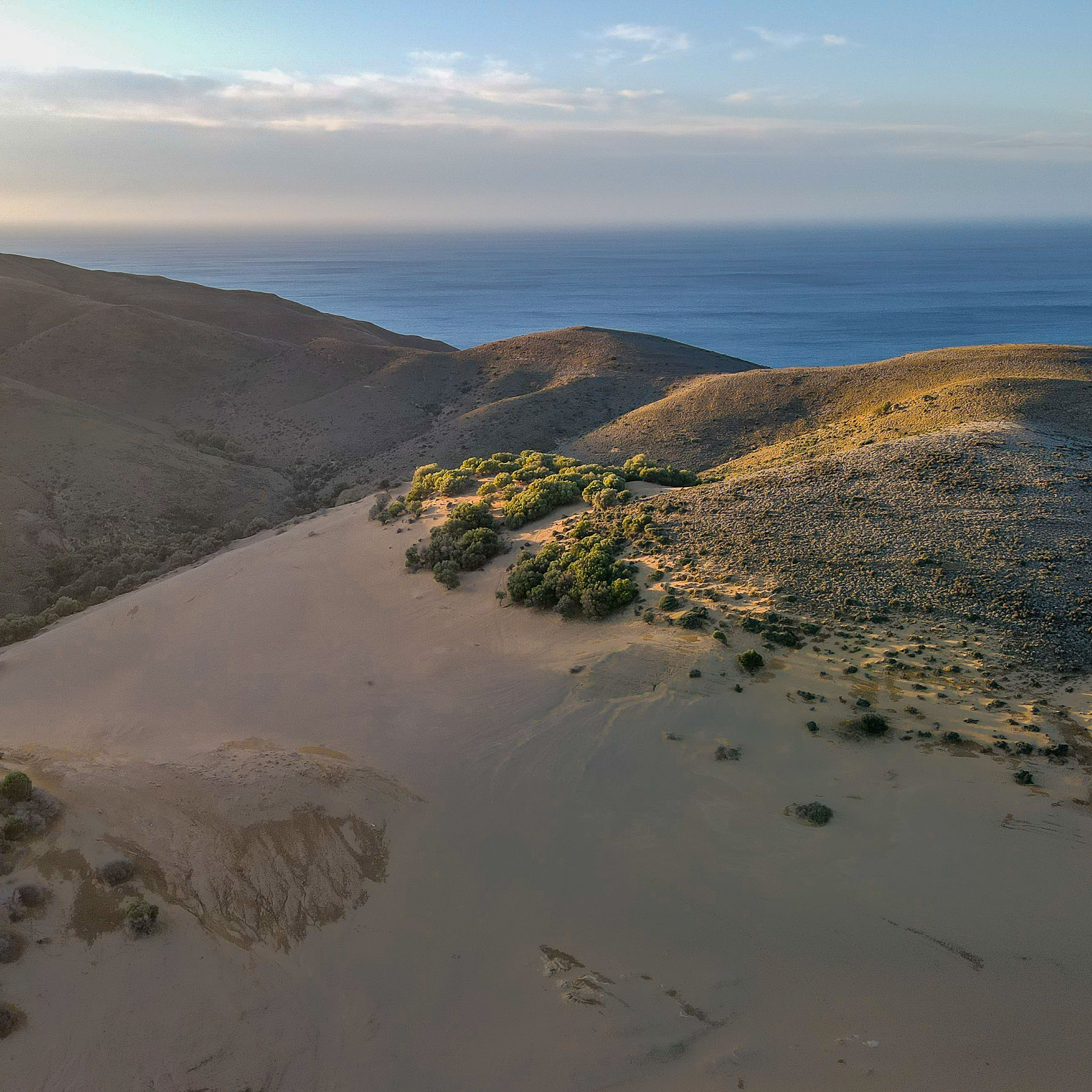
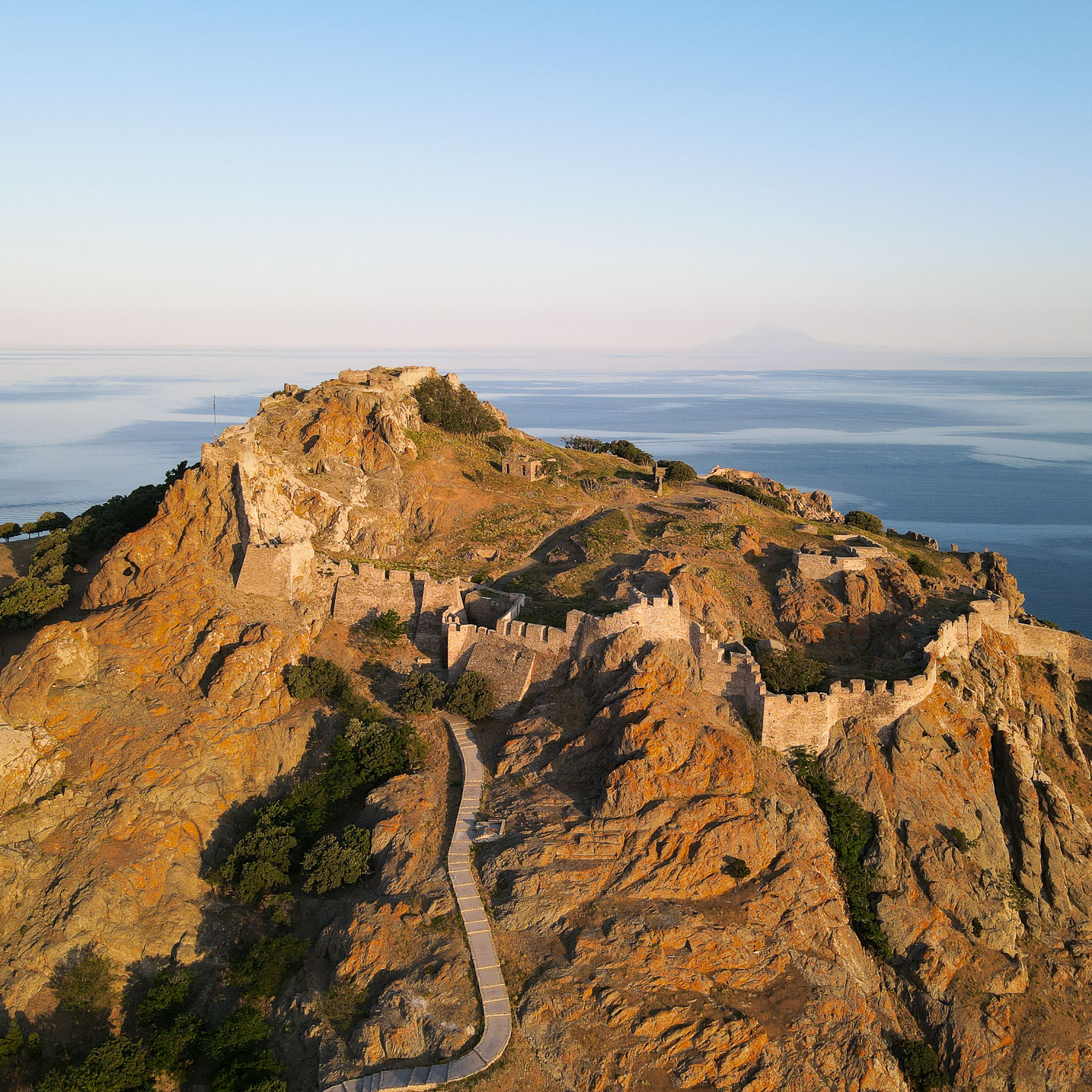
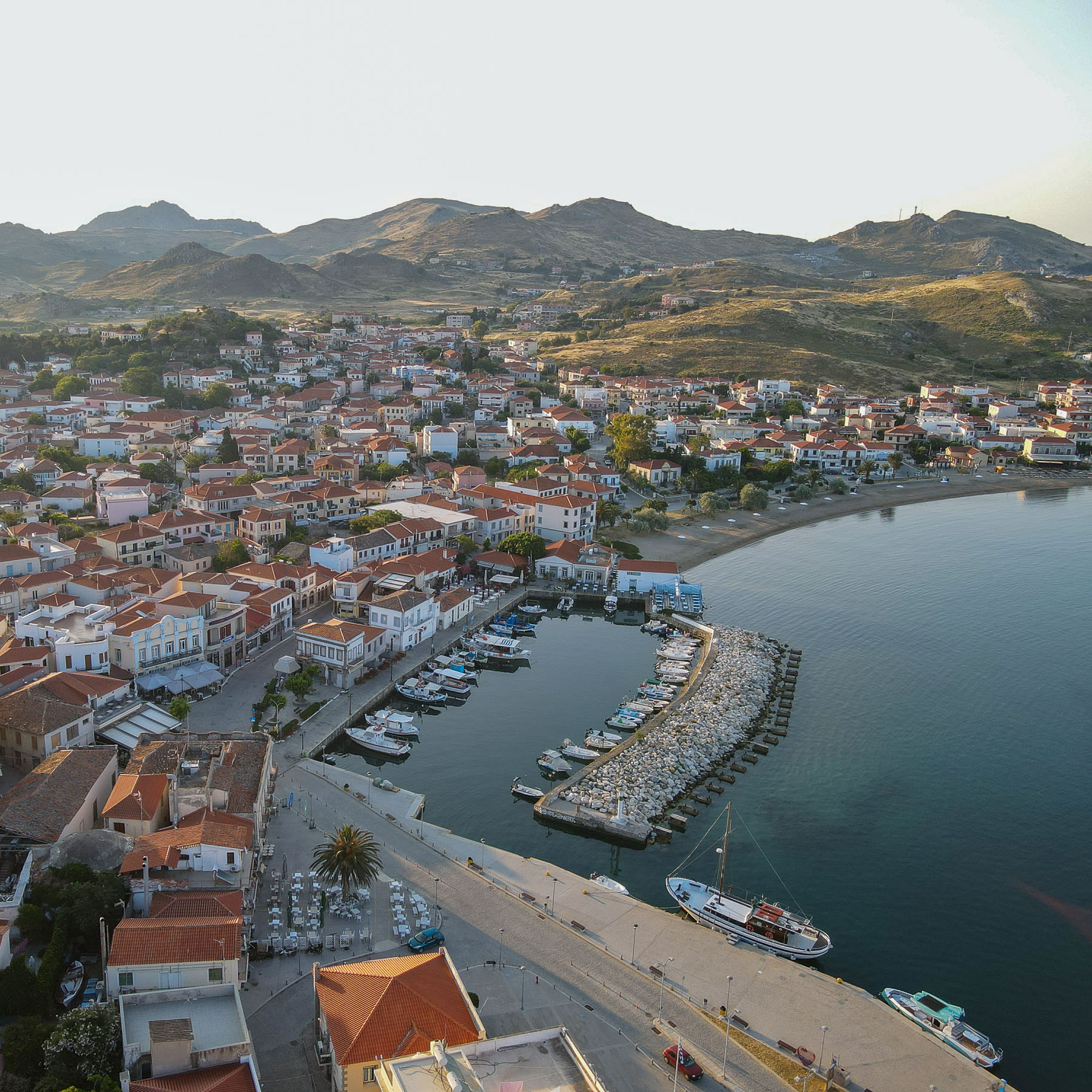
- Explore the barren desserts and friendly town of tourist-free Limnos
- Wander the lush chestnut forests of Lesbos's lively villages
- Detect the aroma of fruits and spices in Chios’ famous spirits



History
Inhabited since Neolithic times, North Aegean Islands were prominent in Greek mythology, such as the myth of Icarus (Ikaria) and the hero Lesbos (Lesbos). With their locations so close to the Anatolian mainland, the later history of the North Aegean Islands largely mirrors that of their Anatolian neighbors. By the 8th century BCE, Chios and Samos had become members of the Ionian League and Ikaria one of their (Miletus’) colonies. In line with the rational and scientific legacy of Miletus, it was during this time that mathematician Pythagoras of Samos (the namesake of the Pythagorean theorem and first to propose that the earth revolved around the sun). Like Anatolia and other Aegean Islands, the North Aegean was seized by the Persians in the 6th century BCE.
The islands then went through the regional motions, falling into the hands of Alexander the Great, the Romans, Byzantines, Genoese, and the Ottomans. However, their history was one characterized by revolt, revolt from the Persians, against Athens, Rome, and later the Turks. The island chain was also known as a place of exile, a reputation that continued from ancient times until the modern era when 13,000 communists were exiled to Ikaria after the Greek Civil War.
Local Cuisine
As most of the islands of the North Aegean hug the coast of Turkey, it’s no surprise that the local dishes and culinary traditions of these islands are also similar to the cuisine of Anatolia. Like all of the Aegean region, the diet of these islands is based on large amounts of vegetables, fish, legumes, fruit, dairy, and olive oil, but special products and dishes vary from island to island. Lesvos is famous for its ouzo and olive oil, Samos for its sweet wines, and Chios for all things mastica. Regional dishes include the summer vegetable stew called ‘sofiko’ from Ikaria, the handmade pasta ‘flomaria’ from Limnos, and Lesvos’s ‘hachles’, cracked wheat boats filled with cheese, tomato, and oregano.
Cheese is a culinary mainstay throughout Greece and the North Aegean is no different with cheeses such as Ladotyri (Lesvos), Kalathaki (Limnos), Kathoura (Ikaria), and Armogalo (Samos). The region is also home to a variety of seafood dishes. Small fish, especially Kalloni sardines, are regional favorites and unique preparations like tomatoes and aubergines stuffed with octopus and sardines stuffed with pickles and capers or grilled wrapped in vine leaves were brought from Anatolia during the population exchanges.
The heavy influence of Anatolia can also be seen in the stuffed vegetables (dolma) ubiquitous in the region and the sweet spices that they contain, the celebratory dish of ‘keskeki’ (a stew of cracked wheat and meat), the prevalence of eggplant (especially on Samos, Limnos, and Lesvos), cheeses like touloumi and kasseri, the many pies resembling Turkish ‘boreks’, and desserts like baklava and spoon sweets (syrupy candied fruits).
Biking
The North Aegean Islands are home to green landscapes of forests, hills, mountains, and coasts uncommon in other usually-barren island groups, their diversity makes them an exciting and unique destination for biking; there is always a new view or landscape just around the corner! Chios and Lesvos in particular are home to many singletracks perfect for adventurous mountain bikers. But all of the islands have gorgeous options for cross country riding on picturesque dirt roads and tracks, combining sloping landscapes, forests, and sea views.
These remote islands are also free of the population (and traffic that comes with it) of some of Greece’s better-known destinations, freeing up their roads for road cyclists. And with their forests, mountains, cliffs, villages, and endless beaches, there is always a new view to look forward to. Most of the islands in the North Aegean are also large enough for longer rides or even multi day cycling trips.
Hiking
The entire North Aegean region is great for hiking. Paths wind up the forested mountains, offering views of the sea and a feeling of wilderness uncommon in other island chains. This region is perhaps one of the best in Greece for hikes; following stone-paved trails through villages, past locals’ gardens, and into the forest, you’ll find everything from technical mountain peaks to quiet village to village strolls.

Culture
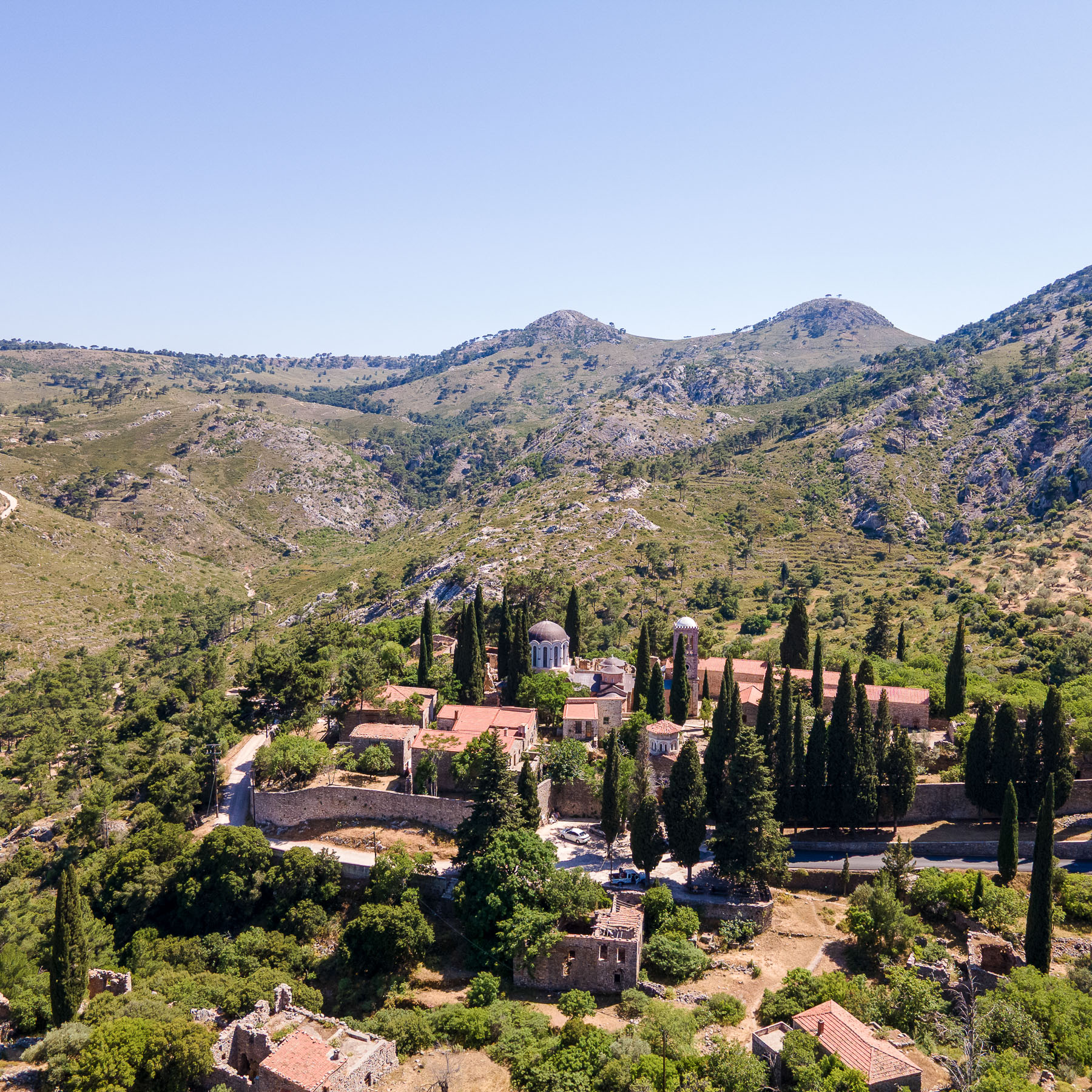
The few cultural sights of the region include the Tunnel of Eupalinos in Samos, the Temple of the Gods in Samothrace, and the monasteries, old towns, and fortresses scattered throughout the islands. However, a great deal of the cultural sights of the islands revolve around food and drink. With their millennia-old wine-making traditions, the islands are full of scenic vineyards producing unique and delicious wines. Local establishments producing ouzo or other flavored liquors are popular destinations in Chios and Lesvos. Spend the day chatting with local beekeepers, shepherds, and fishermen, learning the secrets behind the islands’ unique specialities.
In recent years, the island of Ikaria in particular has been deemed one of the world’s five ‘Blue Zones’ or hotspots of longevity. Exploring the island’s mountains, coasts, and villages, we’ll witness the locals’ relaxed pace of life and begin to get a picture of what good health and a successful life mean to them. Taste the handmade wines and hand-grown vegetables of their classic Mediterranean diet, visit the local cafes and tavernas where residents of all ages socialize, breathe the clean sea air, and give yourself the chance to slow down, just like the locals