
Destination
South East Turkey

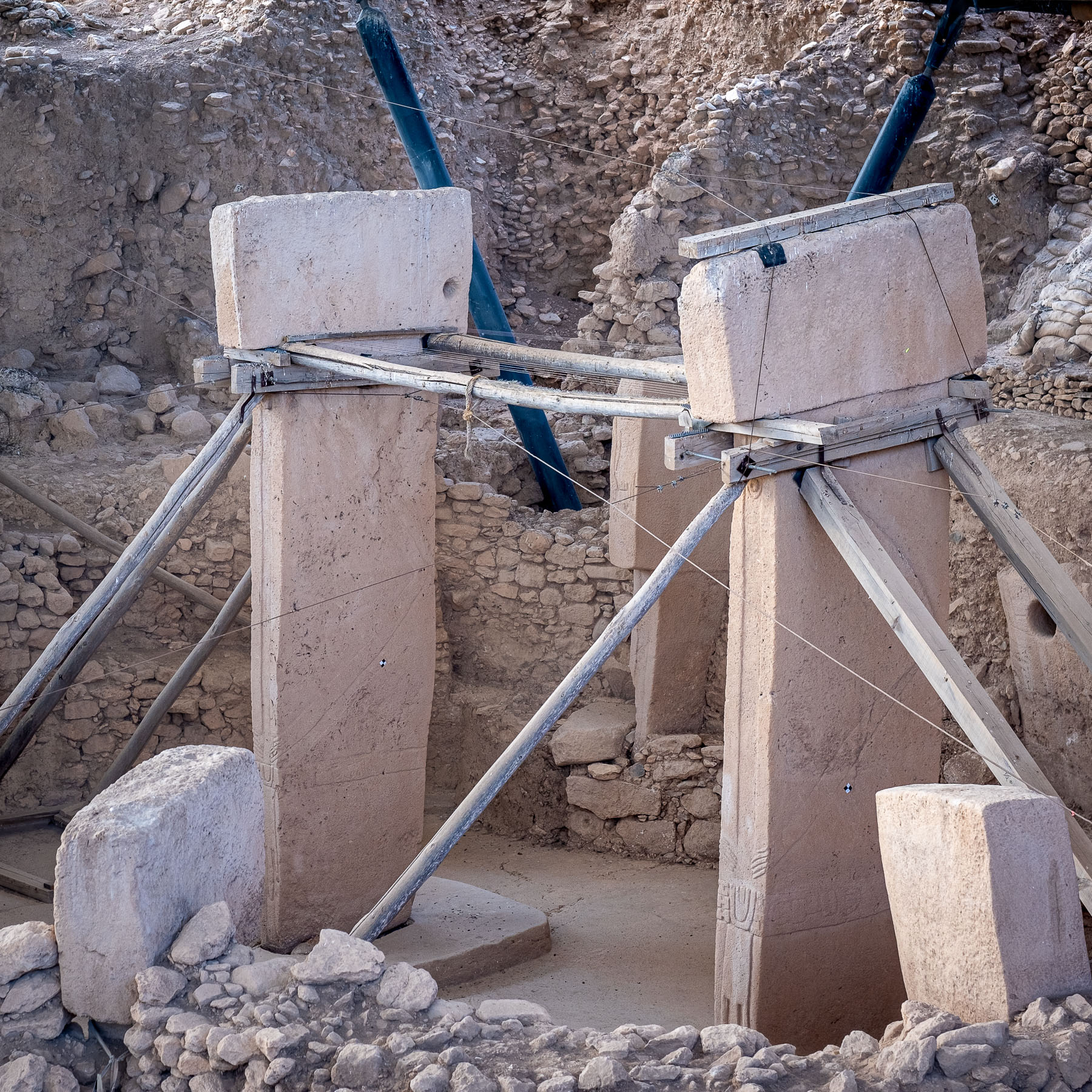
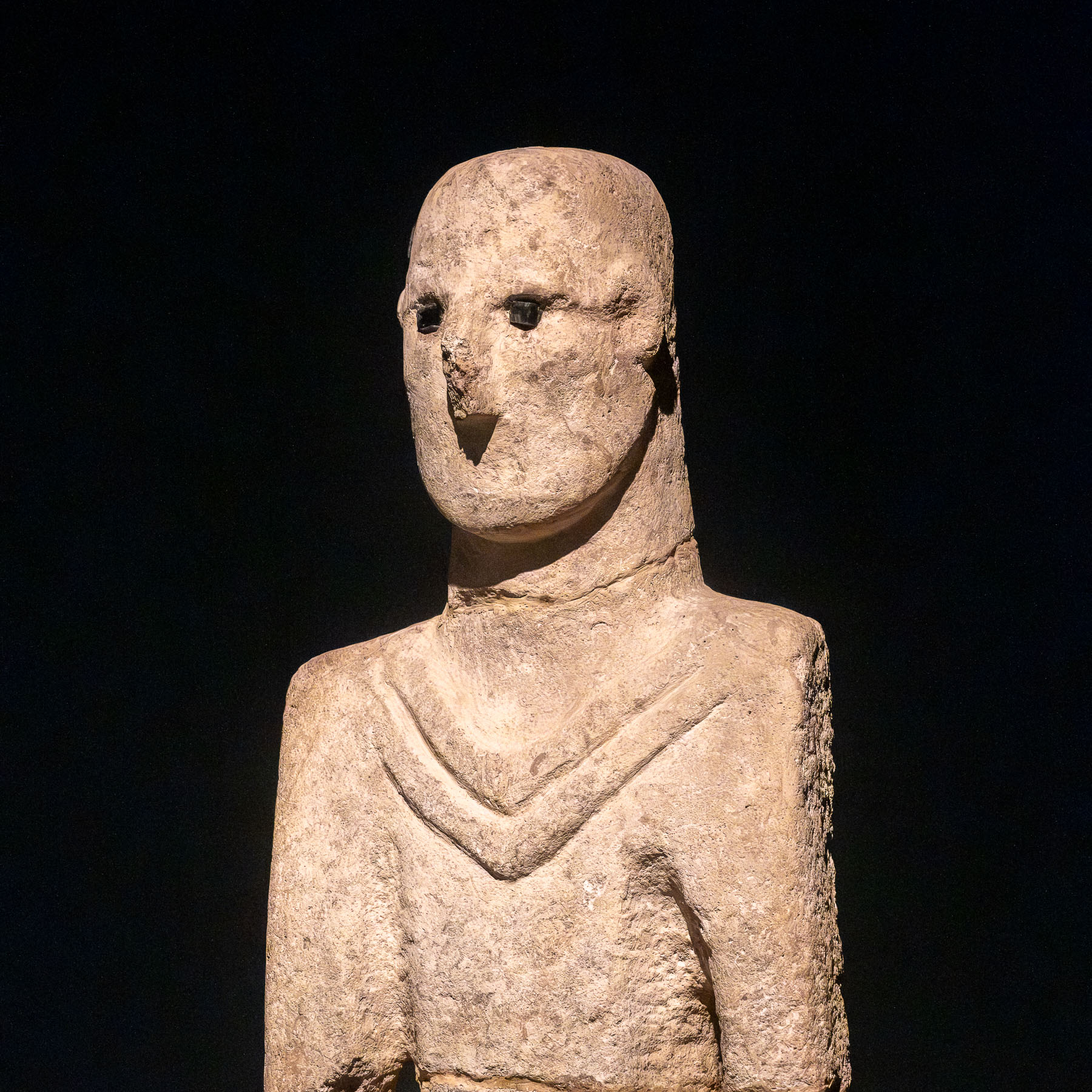
Southeastern Turkey is the country’s cultural gem. A land of diverse language and religion, incredible food, traditional handicrafts, beautiful stone architecture, and relentless preservation of tradition. This region has seen the transition from a nomadic, hunter gatherer existence to a settled, agrarian way of life; it’s spawned the beginnings of animal domestication, religion, and the world’s first system of class. Its world-shifting past can be seen in sites such as Gobeklitepe, Catalhoyuk, and the Arslantepe Mound, all attesting to massive changes in the course of human history.
Today, the region is home to a diverse mix of ethnic groups all with distinct religious beliefs, languages, and customs, weaving the fabric of Turkey’s most culturally unique region. Syriac churches mingle with mosques full of Kurds and Arabs, Alawite places of worship (cemevi) with Yazidi cemeteries. Traces of the past can also be seen in the region’s lively bazaars, the color and sparkle of fabric and jewelry shops mingling with the pounding sounds of coppersmiths and smoky smell of grilled meats as brightly clothed women flaunt tribal facial tattoos and men don light purple headscarves and baggy shalwar pants.
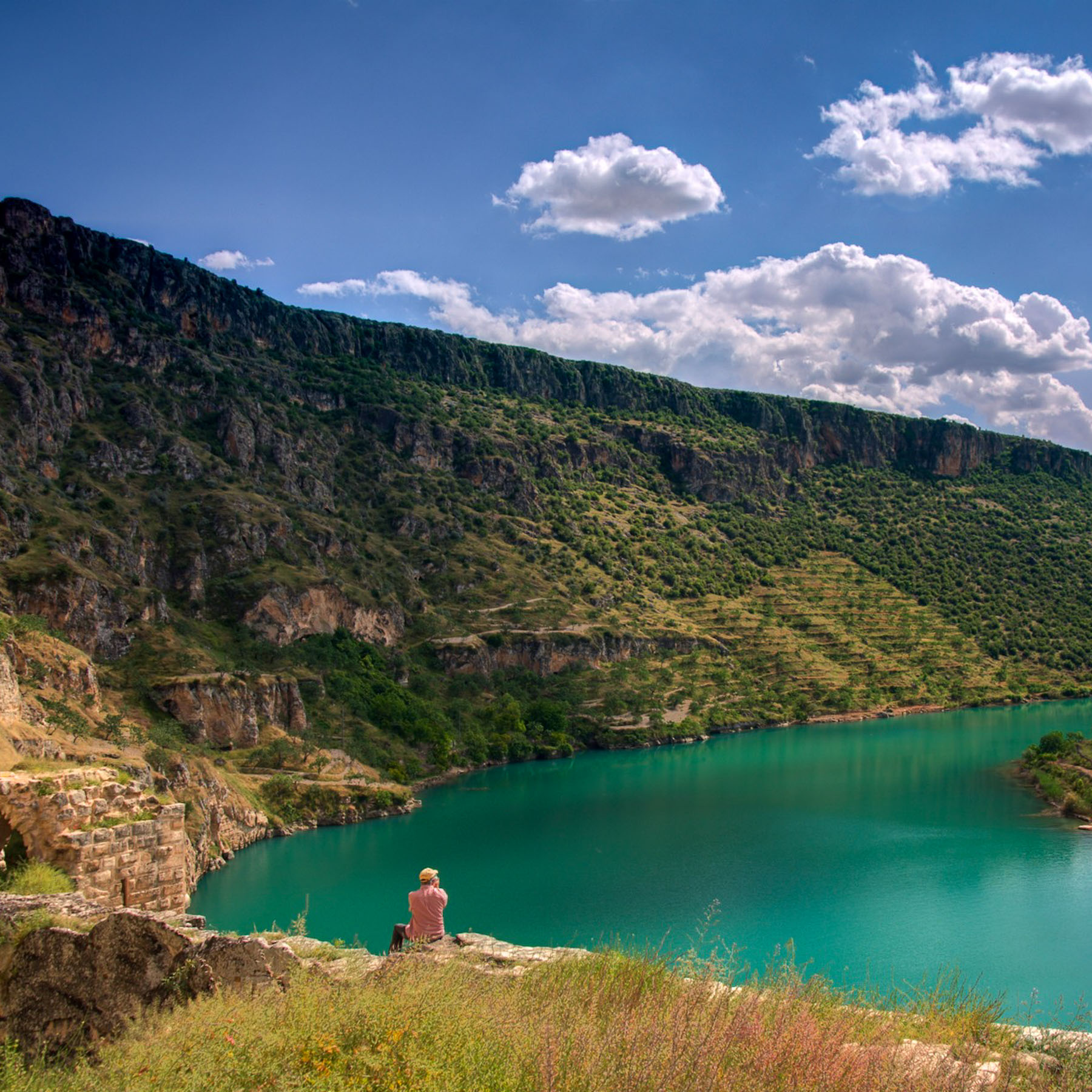
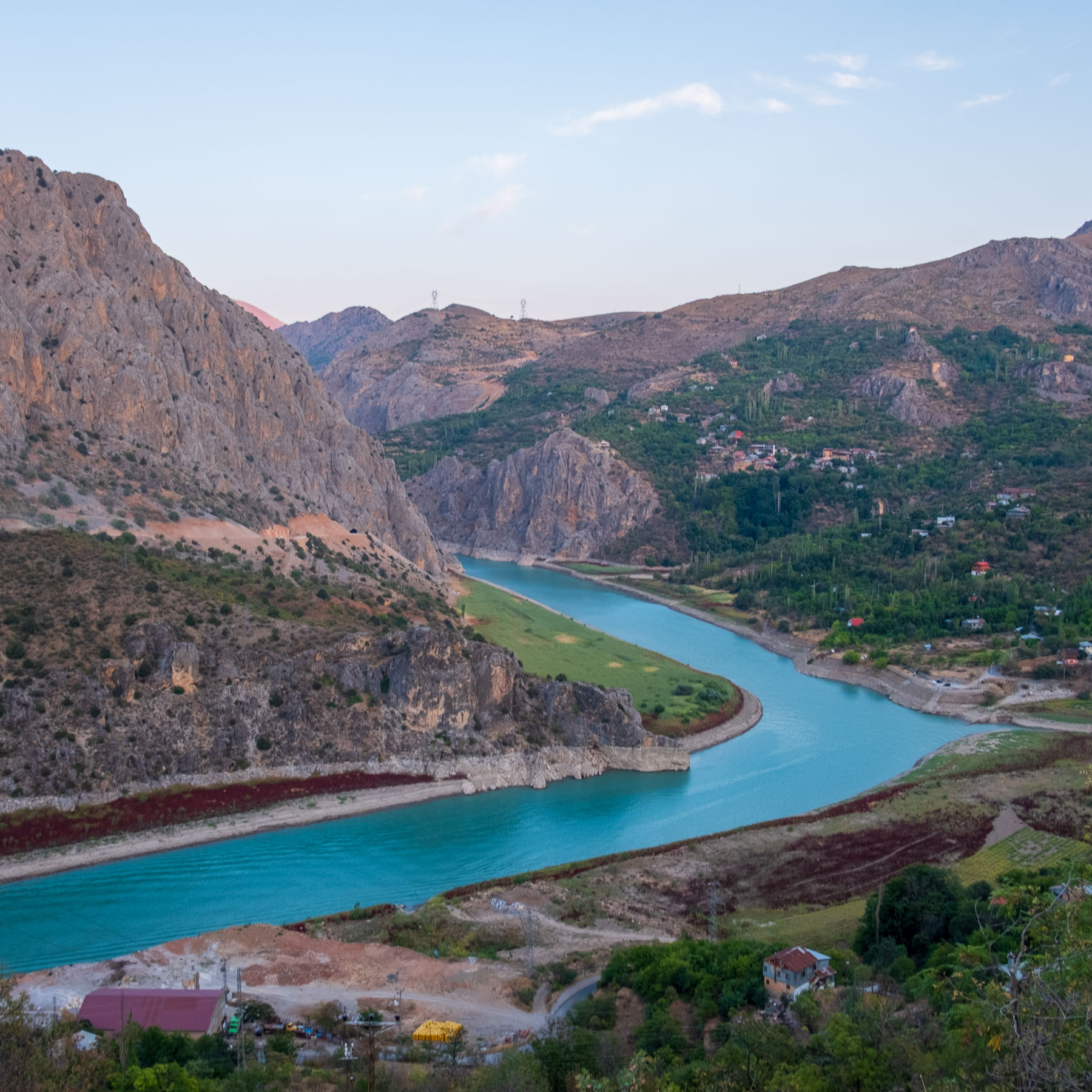
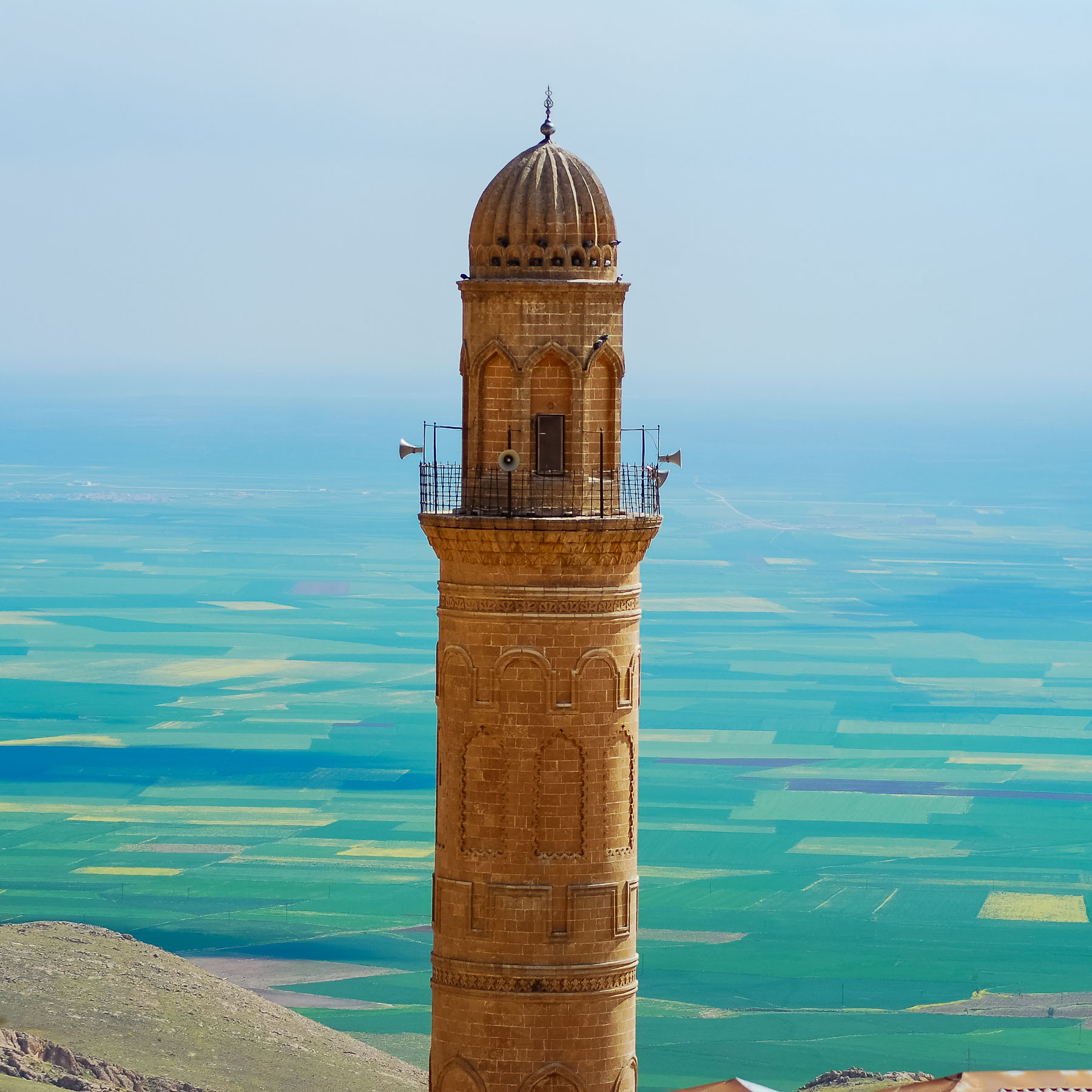
Bright green riverbanks and fertile gardens contrast with barren rolling hills in a natural landscape that has shaped these lands of Mesopotamia. Whether in terms of nature, culture, or history, this region is one of contrast with endless stories just waiting to be heard.
- April - June / September - November
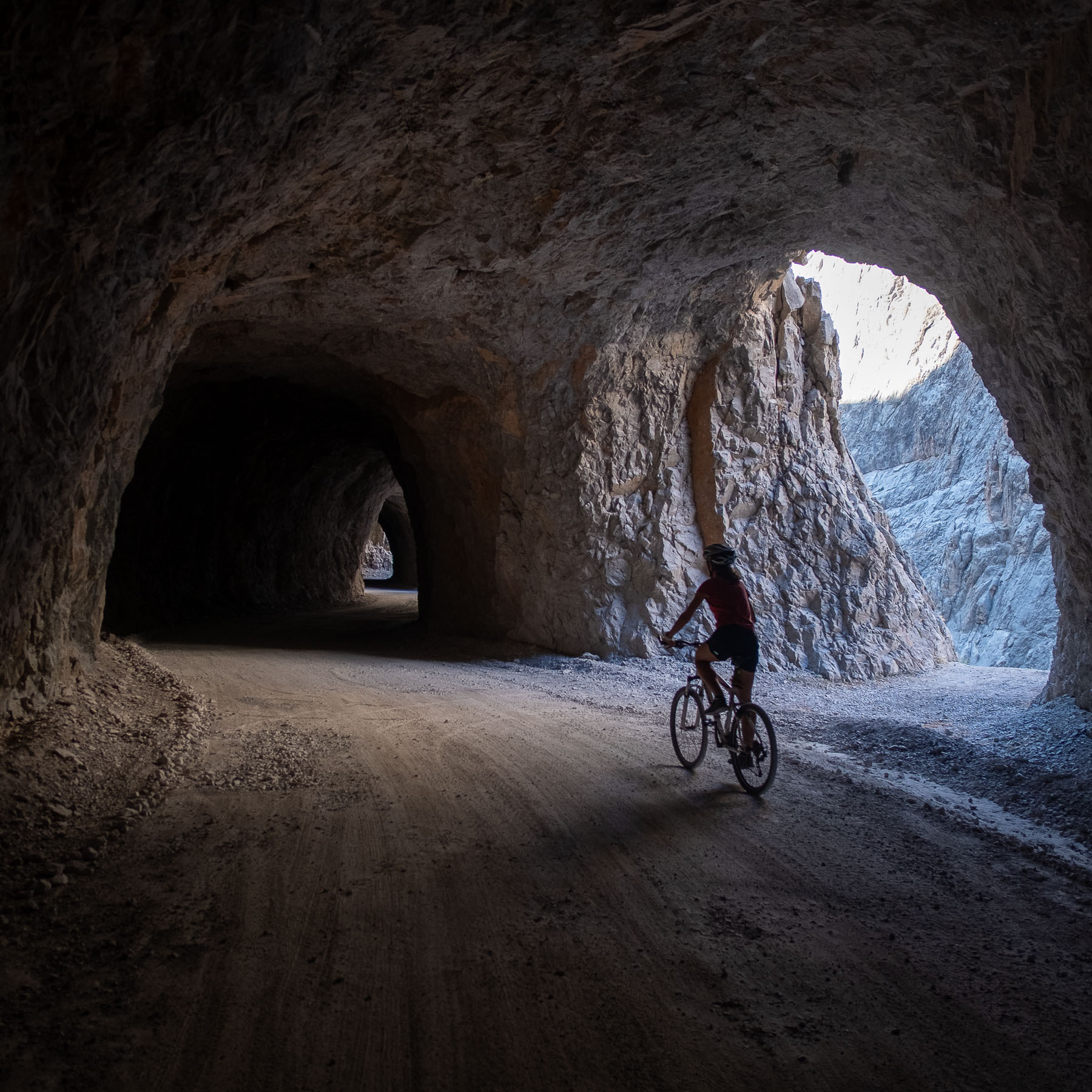
- Biking, Sightseeing, Family, Kayaking, Cuisine
- 2 - 8 Days
- Hand Picked Top 10
- Sample the local flavors, from meze to kebabs
- Listen to the story of Urfa's 'Stone Mounds'
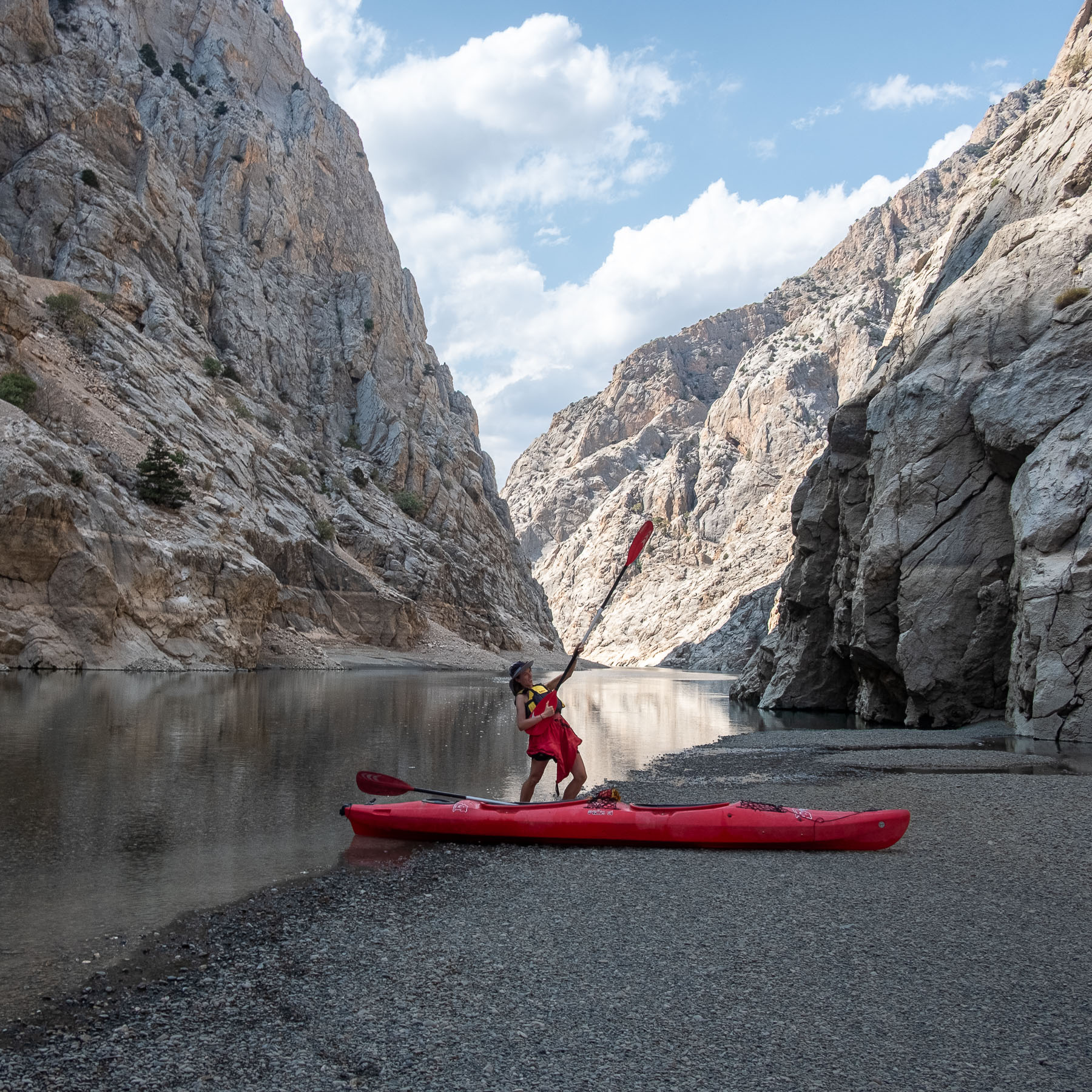
- Kayak the calm waters of the Tigris River
- Wander the vibrant passages of Urfa's Grand Bazaar
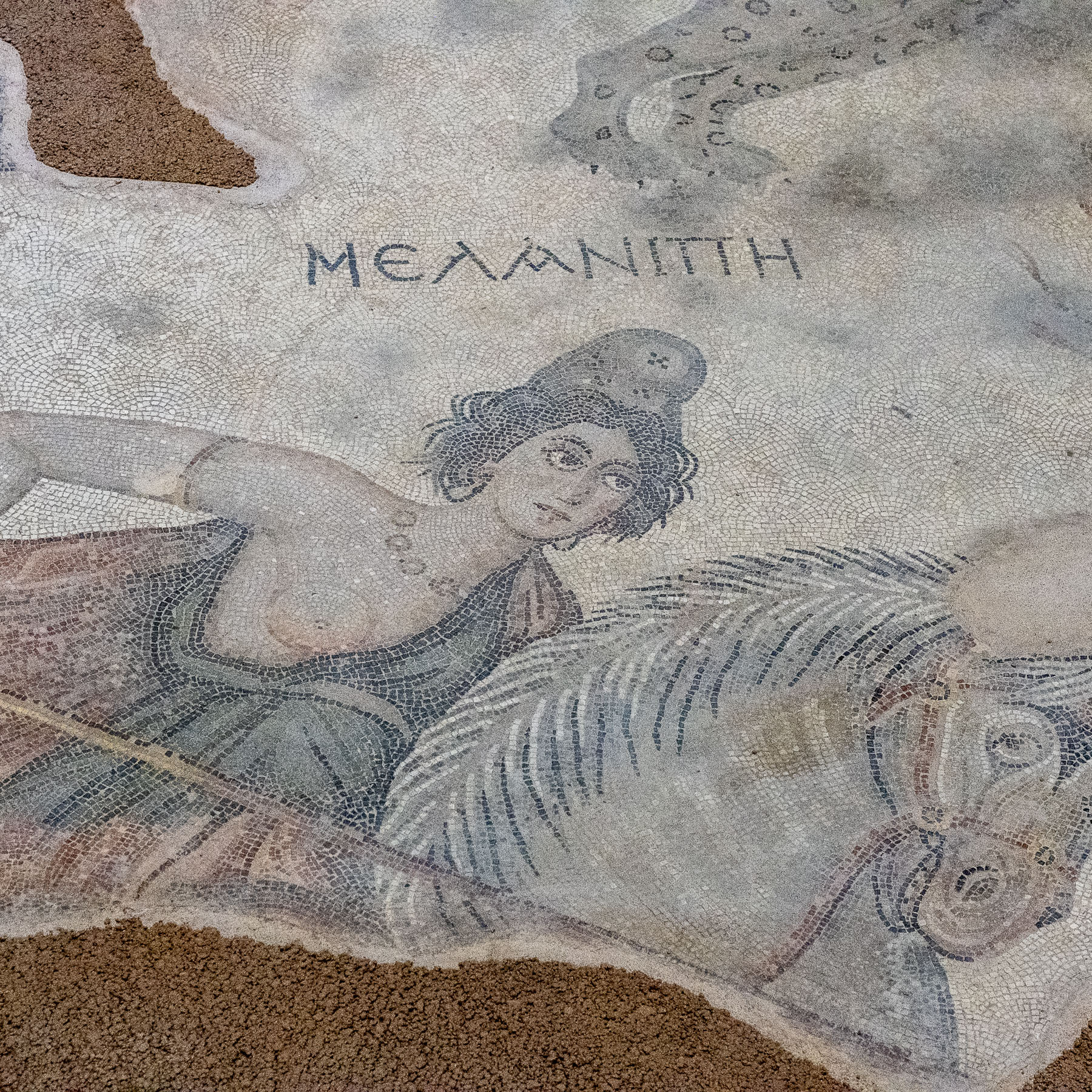
- Marvel at the mosaics of the Antakya Museum
- Taste the bold ancient wines of Midin Vineyards
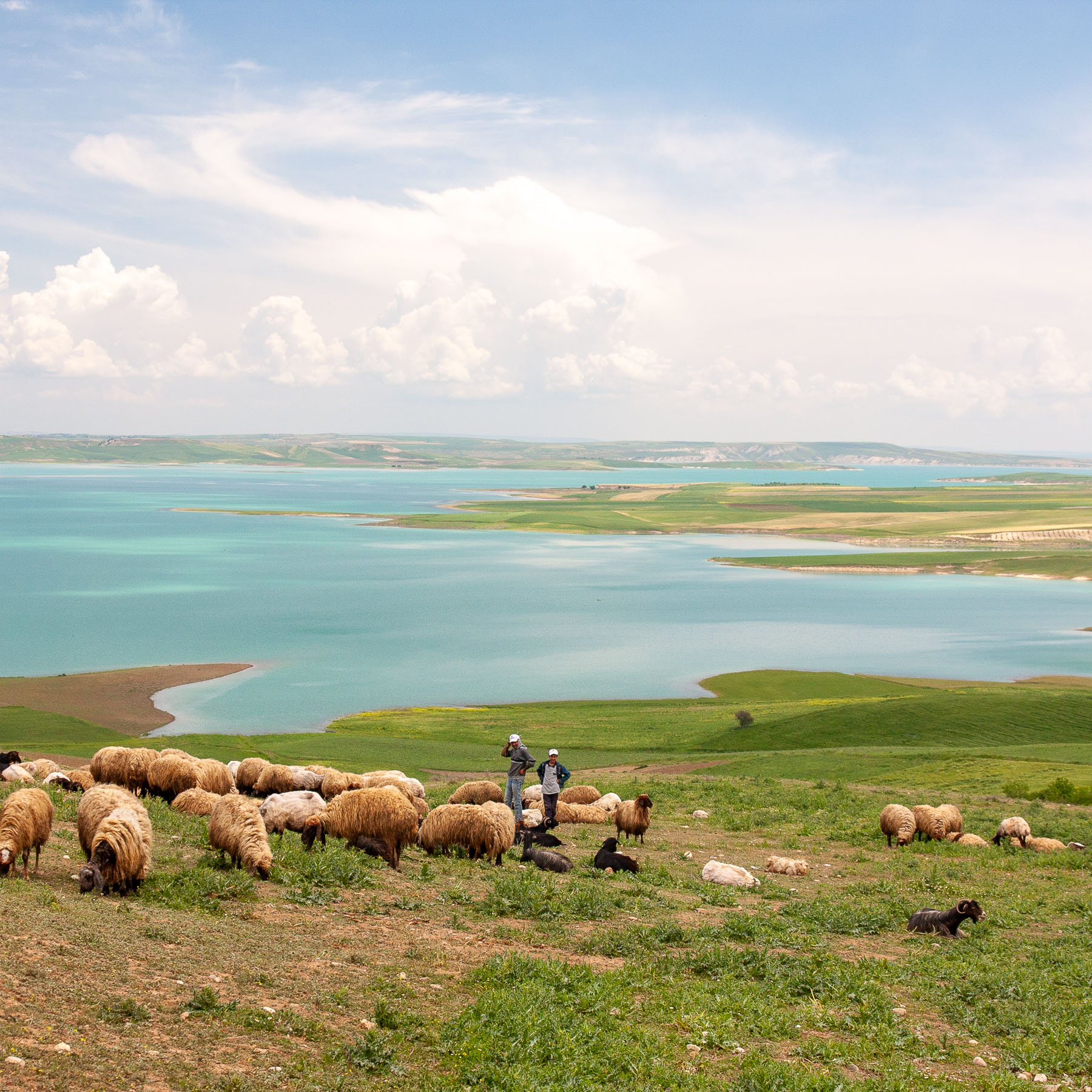
- Watch the sun set over the plains of Mesopotamia
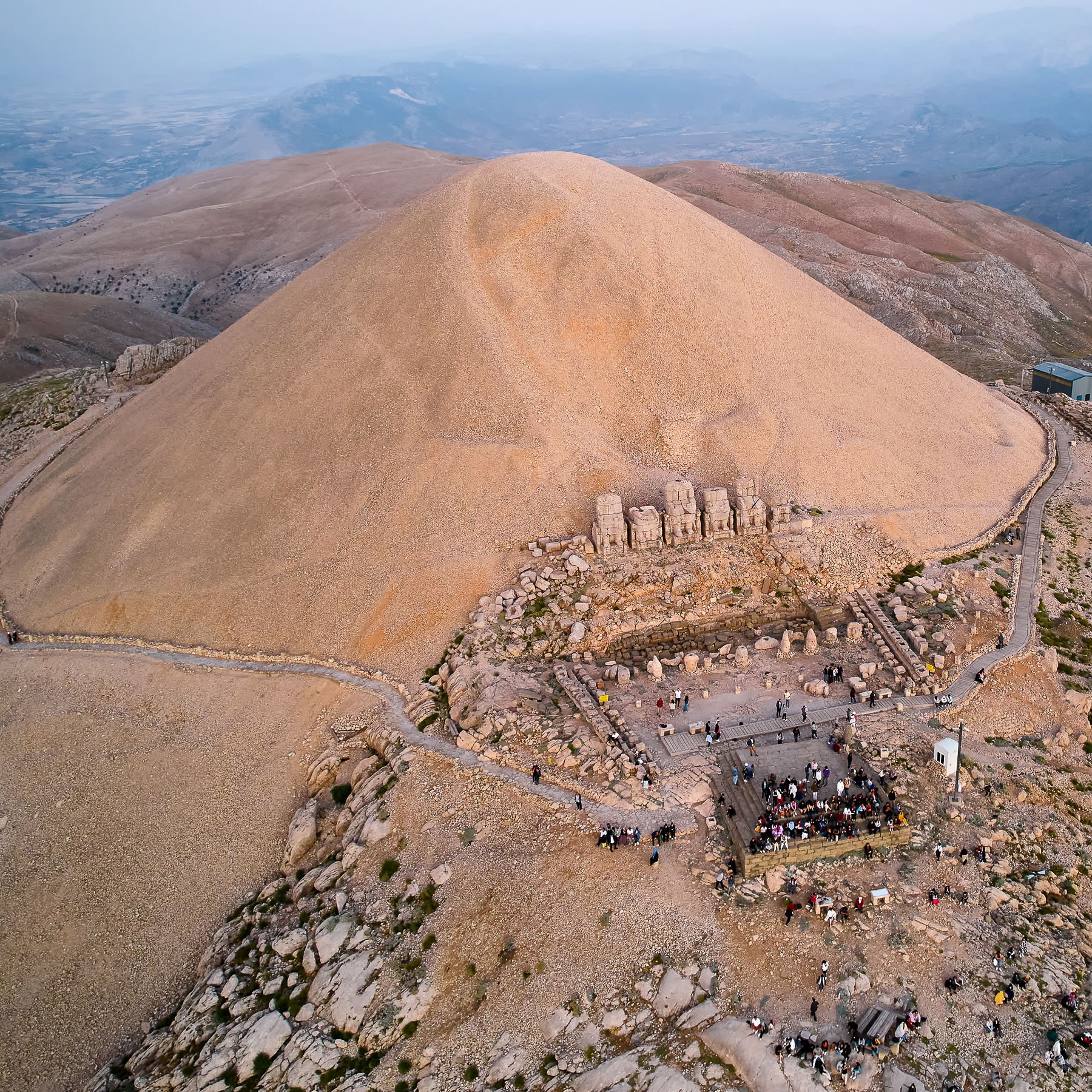
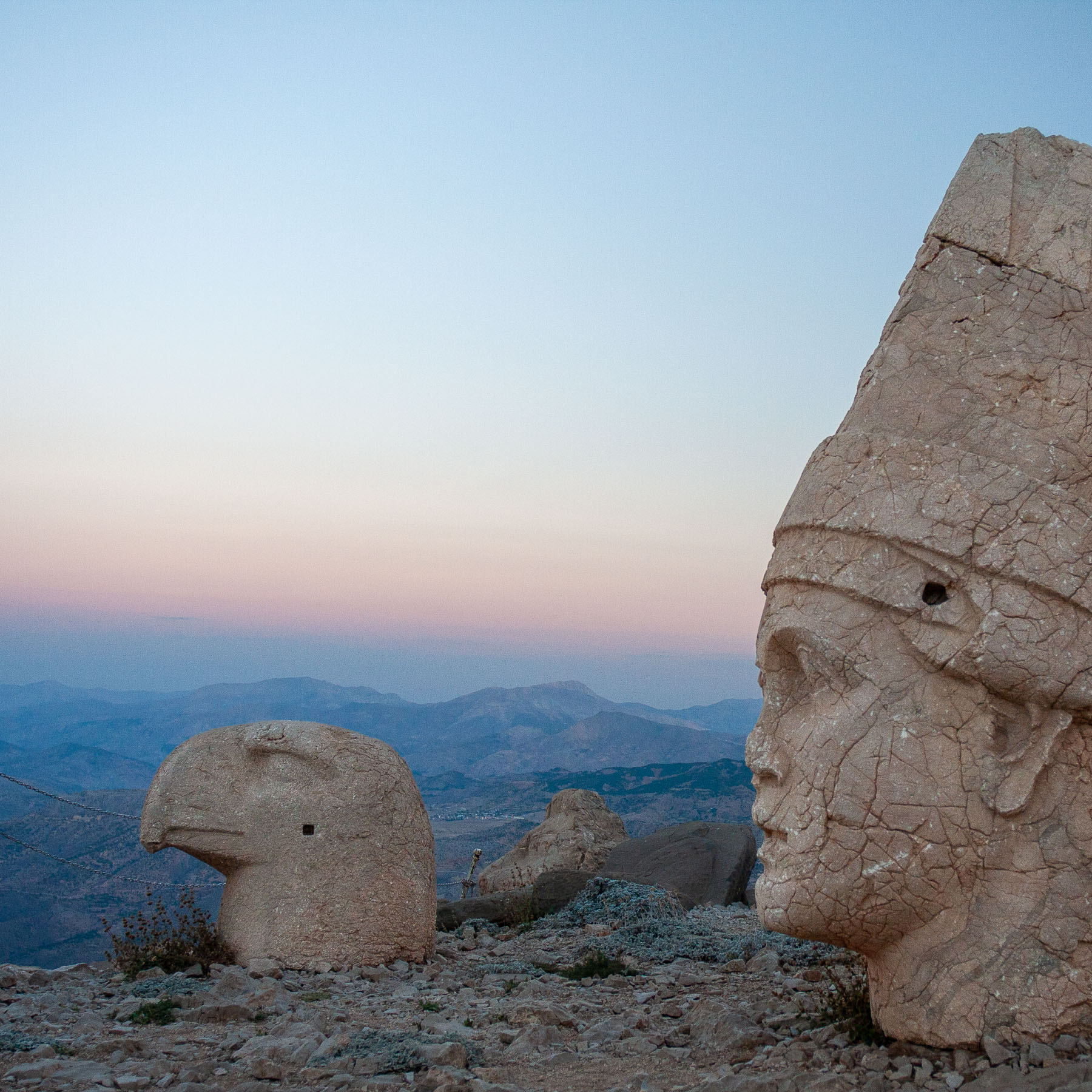
- Bike down the slopes of mystical Mount Nemrut
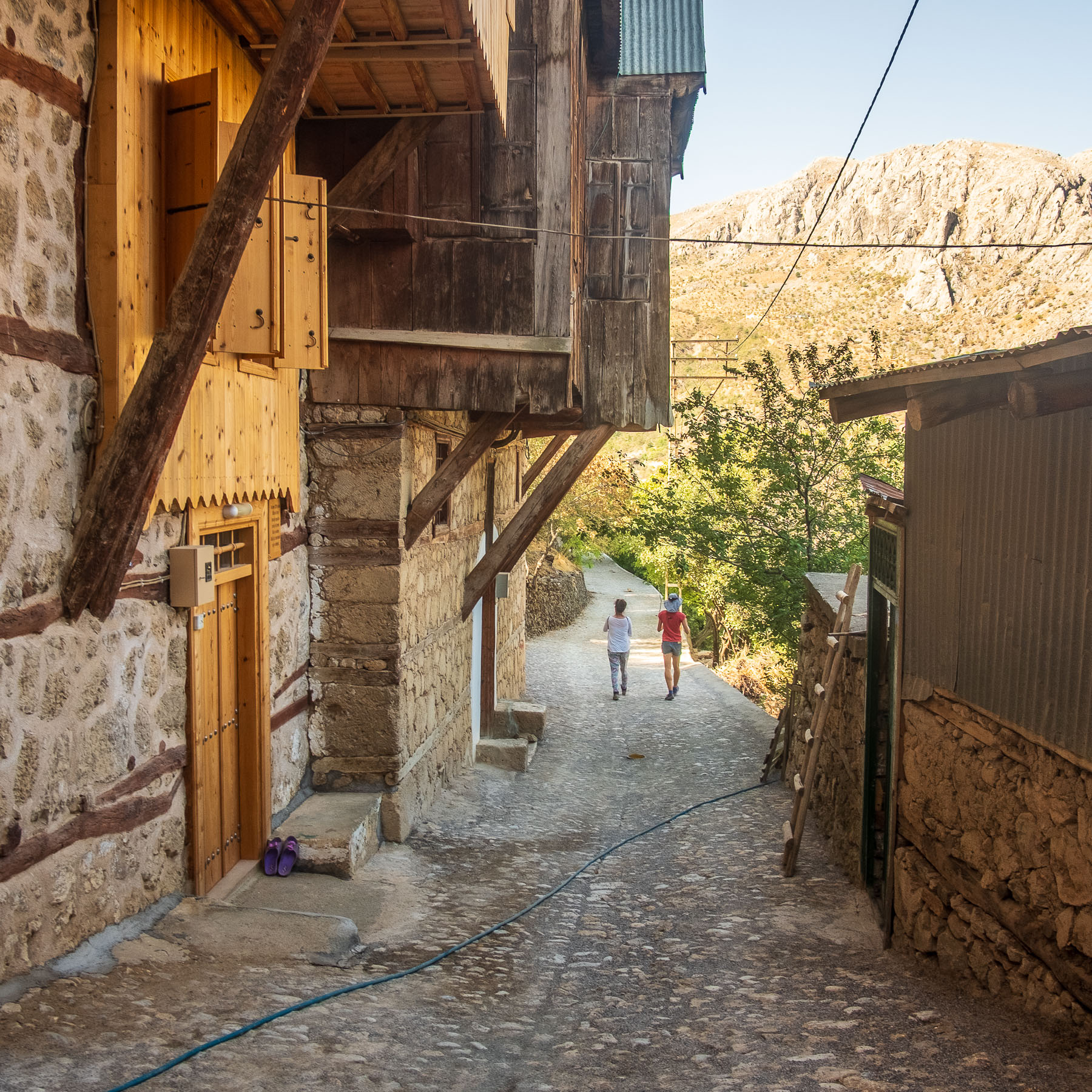
- Explore the villages of Tur Abdin by bike
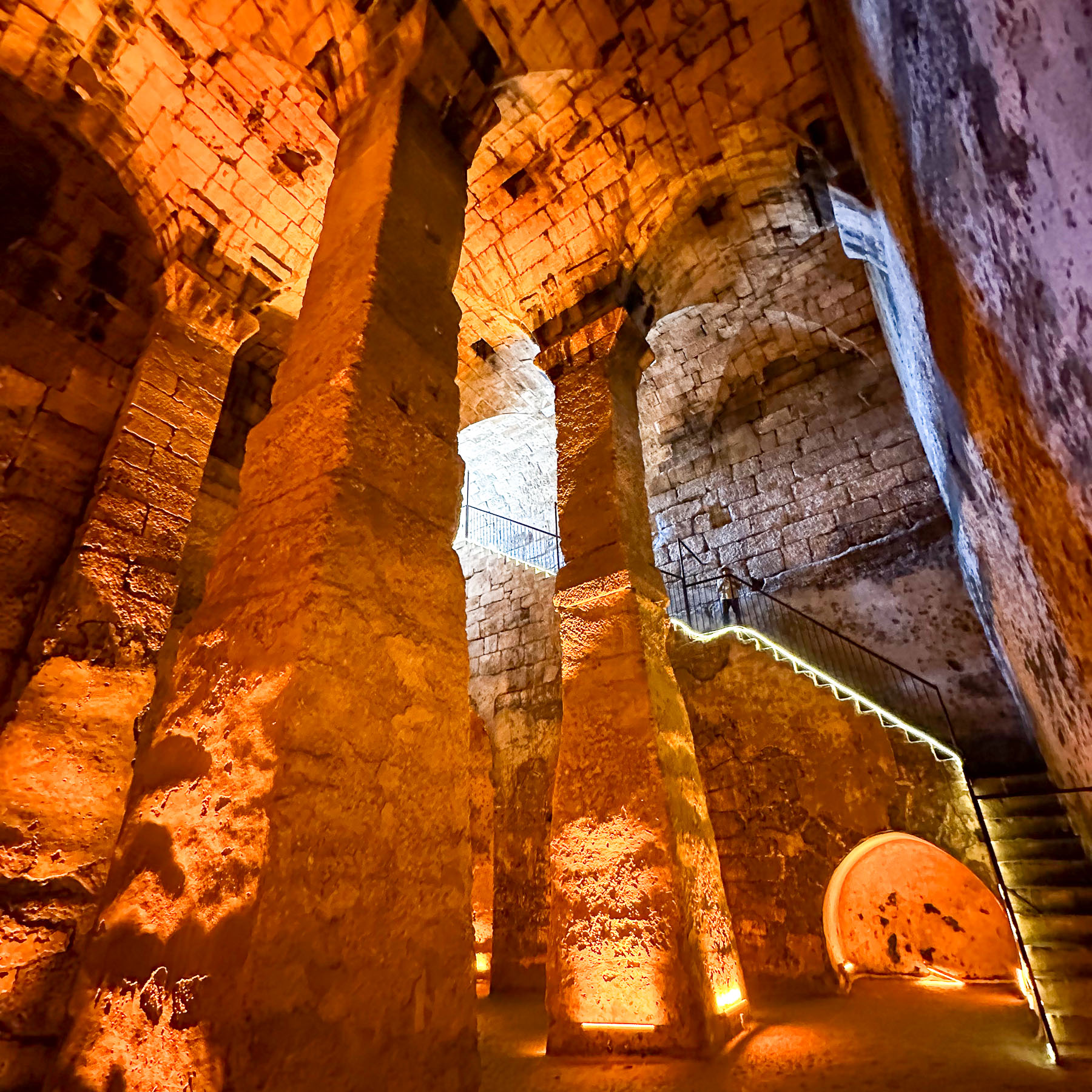
- Treat yourself to a private dinner in Ancient Dara's underground cistern



History
Southeast Turkey, lying at the heart of ancient Anatolia and Mesopotamia, stands among the oldest continuously inhabited regions on earth. Its fertile plains and river valleys, including the banks of the Tigris and Euphrates, supported human settlements as far back as the Neolithic era. Archaeological sites like Göbekli Tepe, dating to around 9600 BCE, reveal that the area was one of the first sites of religious and communal activity. World-shifting concepts like agriculture, animal domestication, and permanent settlement also emerged from the region.
As millennia passed, the area became the cradle of powerful civilizations. The Sumerians developed one of the world’s earliest writing systems and urban cultures, while the Hittites contributed advanced metallurgy and legal codes. Assyrian influence brought monumental architecture and complex administrative systems. The Persians, Greeks, and Romans each left their mark through trade, language, and governance, further enriching the cultural tapestry of Southeast Turkey. Its strategic position at the crossroads of Asia and the Middle East continuously drew peoples and ideas, making it a vibrant hub of innovation and exchange for thousands of years.
During the first centuries CE, the region played a significant role in the spread of early Christianity. Ancient cities such as Edessa (modern-day Şanlıurfa) became important centers of Christian thought and worship. Numerous churches and monasteries were founded, eventually forming the Syriac Church still present today.
Local Cuisine
The southeastern region of Turkey is home to bold, spicy flavors, a dramatic contrast from the cuisine of the coast. Here, most dishes are flavored with hot chilies, either dried and ground into flakes, or cooked down into a paste. Meat plays a role in most dishes, even so called ‘vegetable dishes’ are usually cooked with at least a bit of meat. Locals in this region prefer vegetables like eggplant, potatoes, peppers, and tomatoes to green leafy vegetables. An important ingredient in salads and starters is pomegranate molasses, which adds a sweet and sour flavor to lots of cold dishes. In addition to meats and vegetables, bulgur wheat is used to make a variety of dishes including pilafs, cold appetizers, and fried and boiled dumplings. Chickpeas add bulk to a variety of dishes; yogurt is eaten as a side dish, or used in soups or stews; walnuts are also a common ingredient in many savory dishes. No meal in southeastern Turkey is complete without dessert, of which baklava in some variation is the most popular. This region is home to a wide variety of ingredients and cooking techniques, making for some of the most unique tastes in the entire country.
Biking
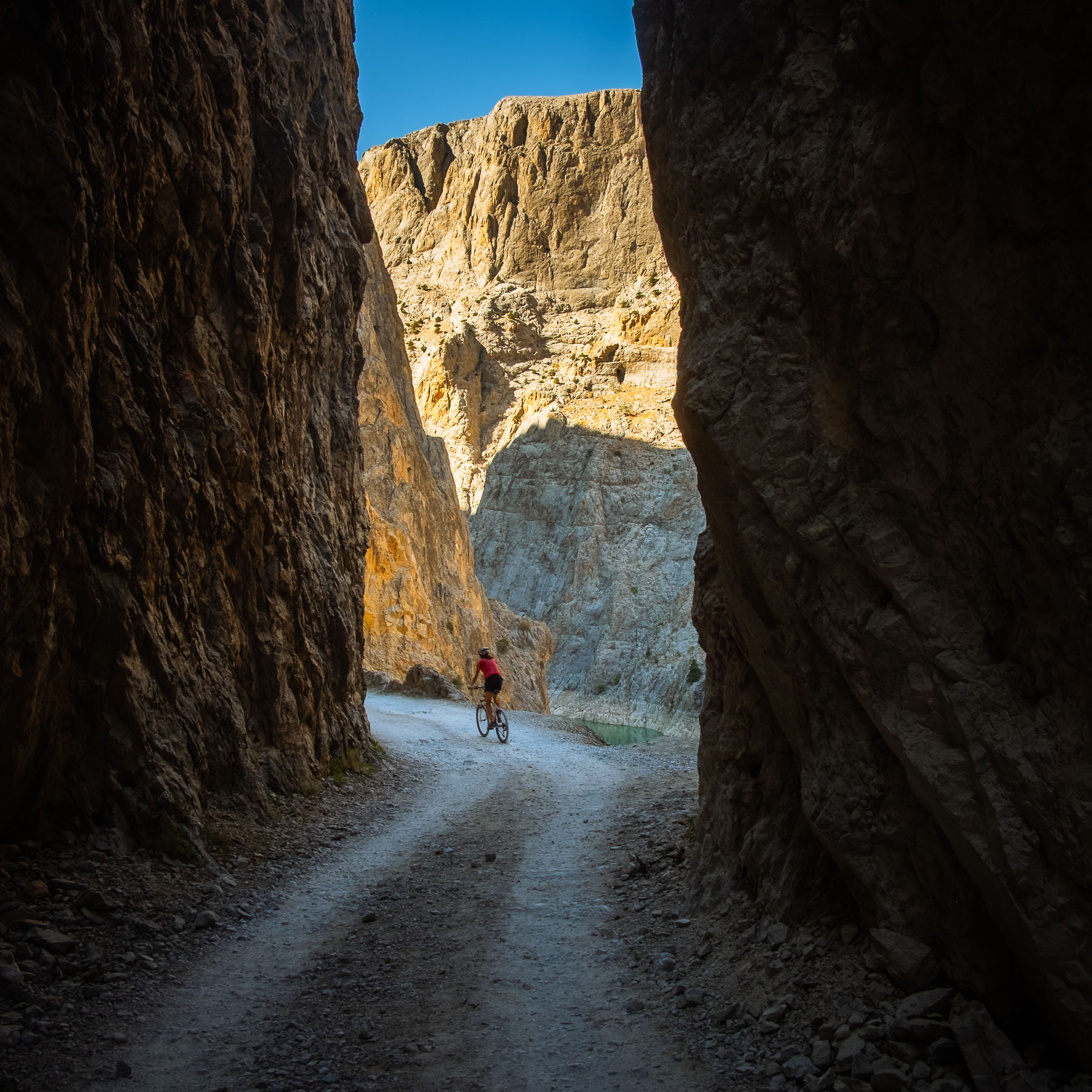
Combining the region’s stark landscape and cultural legacy, this is a unique destination for active travel. And often, the best way to truly experience a place is to travel slower, perhaps on two wheels. Much of the biking in the region is suited to road or gravel bikes, with a multitude of paved and unpaved roads slashing through the barren landscape of local villages and canyoned river valleys. Cycling through locals’ fields and fruits groves, you’ll pass through remote villages filled with friendly shepherds riding donkeys in pursuit of their massive flocks or smiling children who find running up to wave to you of utmost importance. With something new to explore in each and every village and town, the southeast is the perfect place to combine culture and cycling, and fuel your rides with some of the best food available.
Hiking
While an active tradition of shepherding ensures the presence of trails throughout the region, Southeastern Turkey lacks any marked paths or well-known hiking infrastructure. Also, thanks to years of political conflict, traversing the landscape on foot is considered suspicious. For this region, we would never recommend hiking alone in the area, and hikes available with a group or guide even are few. That being said, the vast majority of sites require a good trek to explore fully, and there are great options for adding a hike or two to any comprehensive trip to the area.

Culture
Many of the most visited cultural sights in this region are those of historic importance. Starting from Neolithic sites like Gobeklitepe, Karahantepe, and Catalhoyuk, we begin our explorations in the Stone Age. As humans start to advance and societies form, you get sites like the Arslantepe Mound, home to the earliest known evidence of an elite class. There are ruins built by the Hittites and the Assyrians, but it’s not until the Roman Period that another artifact characterizing the region really emerges: Mosaics. Southeastern Turkey is home to some of the ancient world’s most stunning mosaics, now houses in the museums of Antakya, Gaziantep, and Sanliurfa.
In addition to historic sites, the true culture of the region can be found in the modern streets. There are endless bazaars here filled with unique spices attesting to the regions place on important trading routes, craftsmen shaping woods and metals into hand-crafted specialities the old fashioned way, and sellers of fabric or jewelery perpetuating the region’s traditional way of dress. The cuisine of the region is one of the best in the country, with spiced grilled meats and flatbreads enlivened with salads, tangy and sharp. Here, wheat is transformed into a incomprehensible variety of dishes: fried bulgur dumplings stuffed with meat, heavily spiced and kneaded ‘cig kofte’ and syrupy desserts of thinly worked layers of dough. Herbs, spices, and citrus add flavor and wood ovens add the rich aroma of smoke.
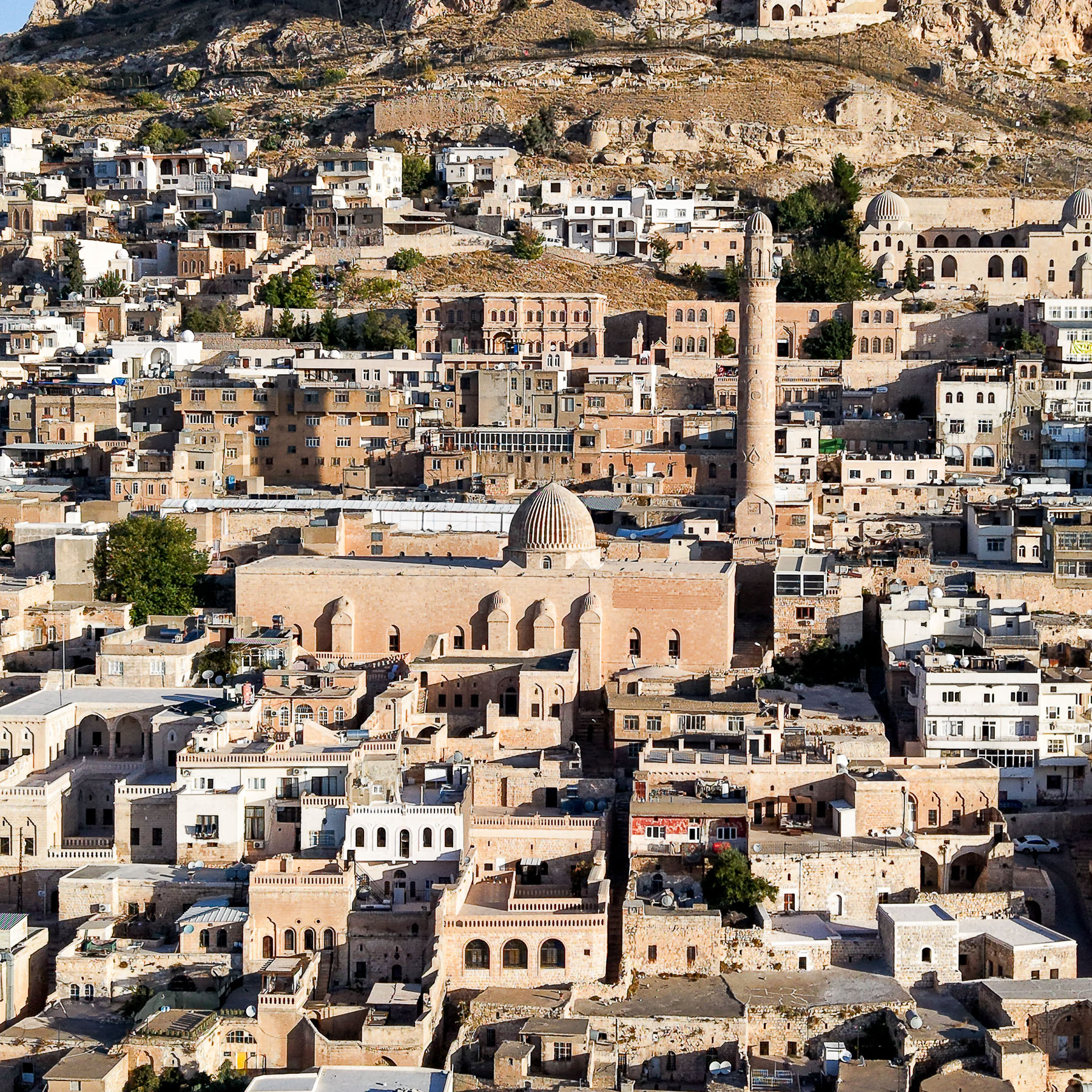
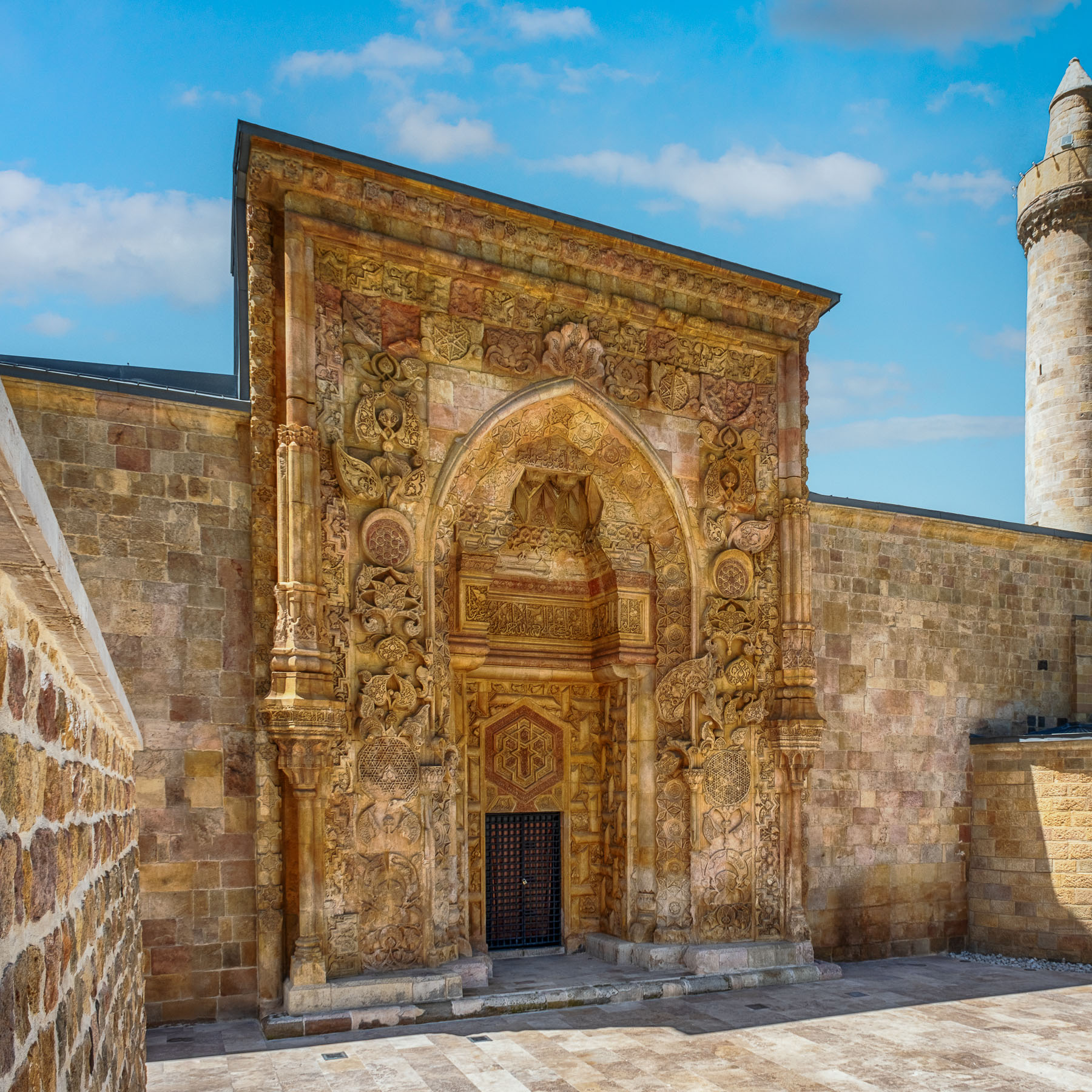
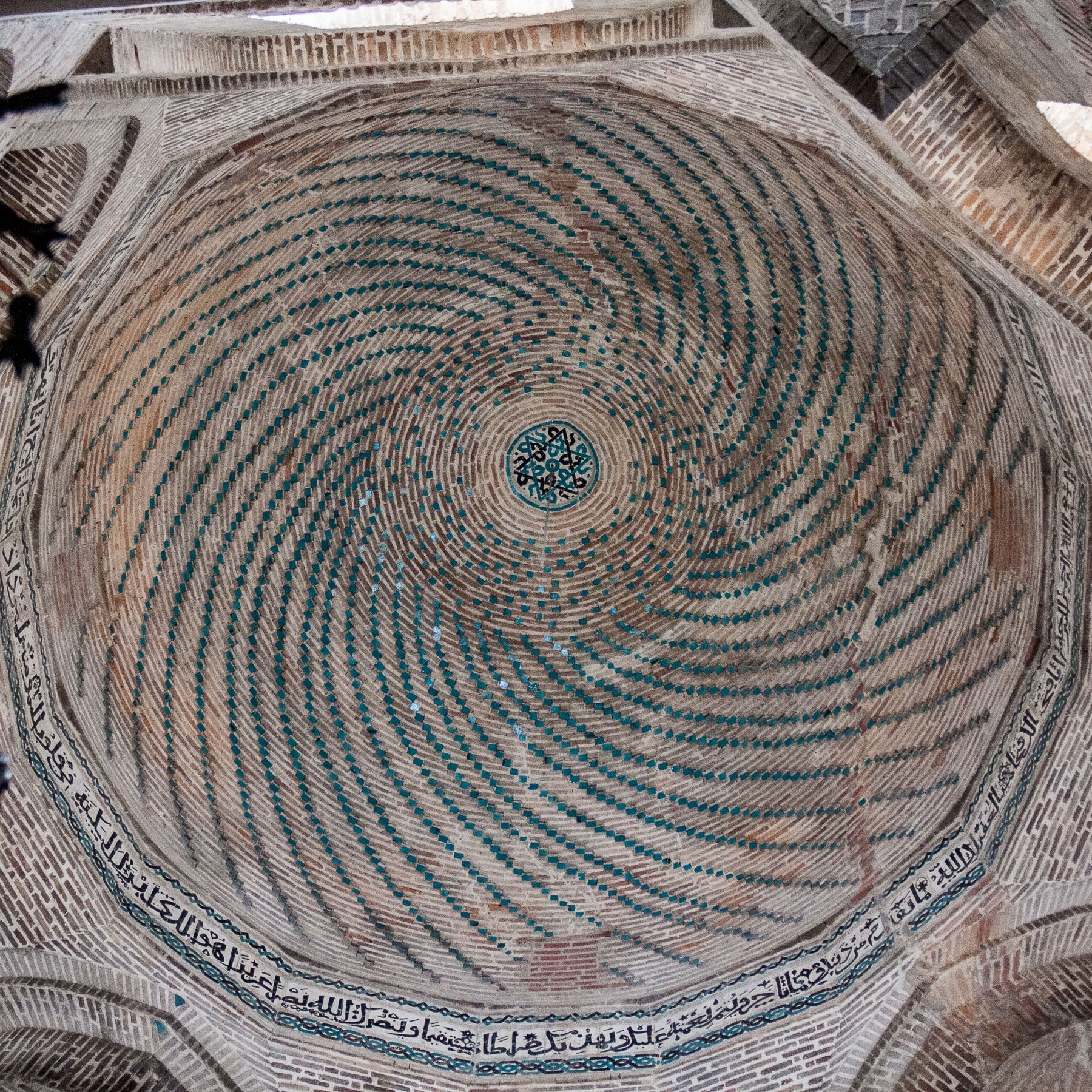
With such a diverse community of locals, many of the region’s cultural sites include their places of worship. Visit Syriac, Armenian, or even Catholic churches, the unique villages of the Yazidis, and medival mosques of black and white stone. Just meeting the locals and interacting with diverse tribes and communities is perhaps the best way to understand the storied, and at times troubled, history of this tumultous region.